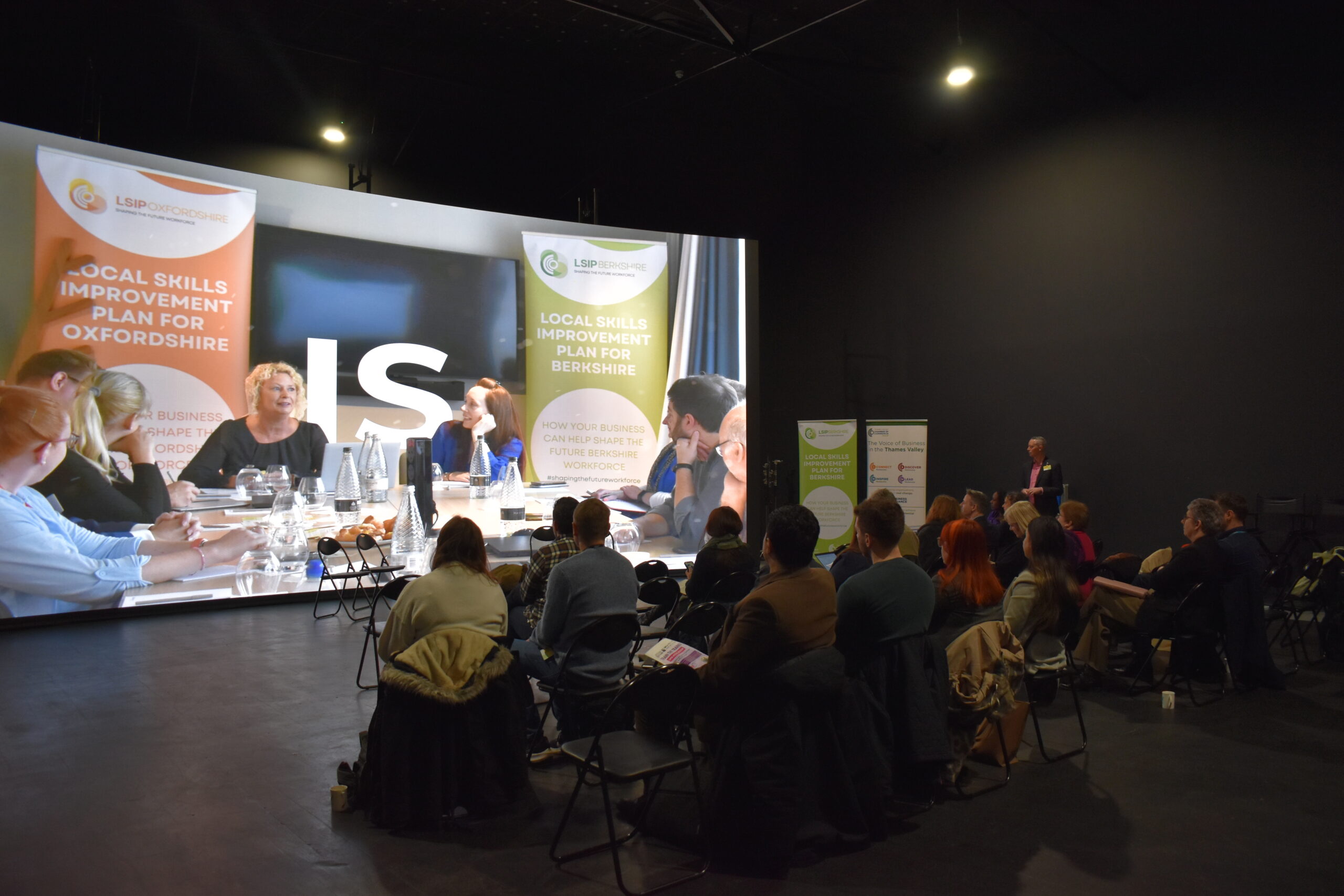
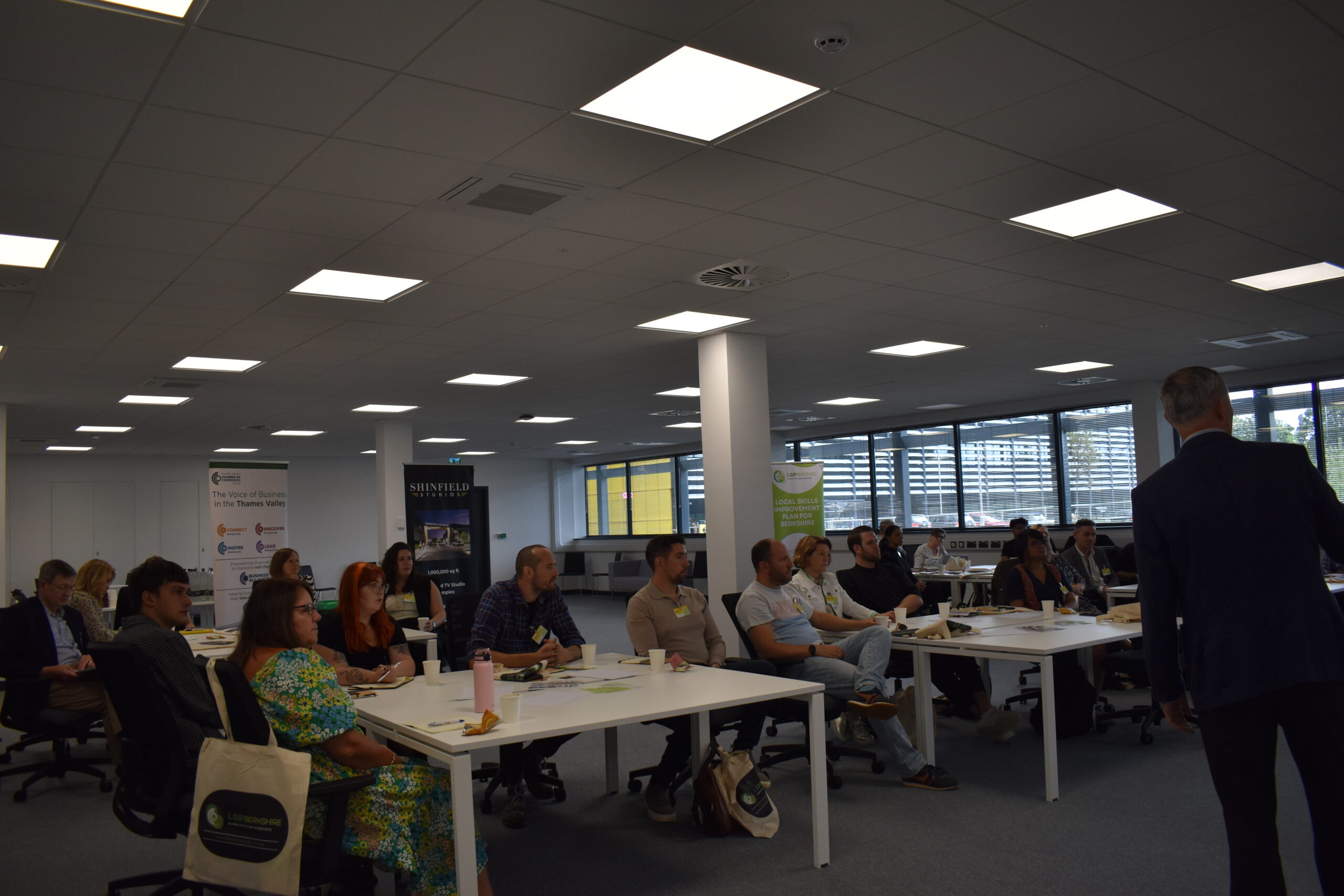
At the most recent online meeting of the Screen Industries Workforce Development Partnership, attendees from…
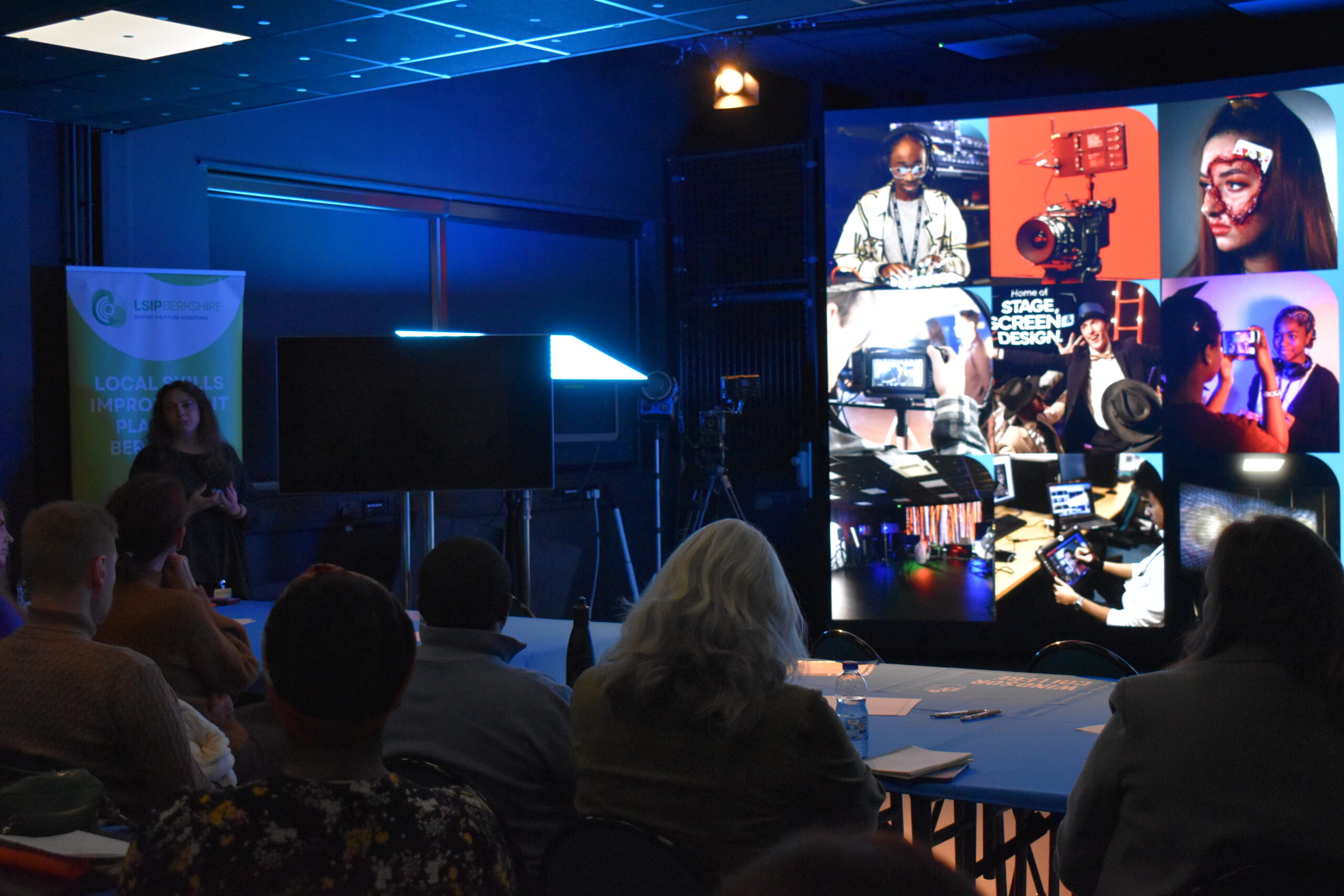
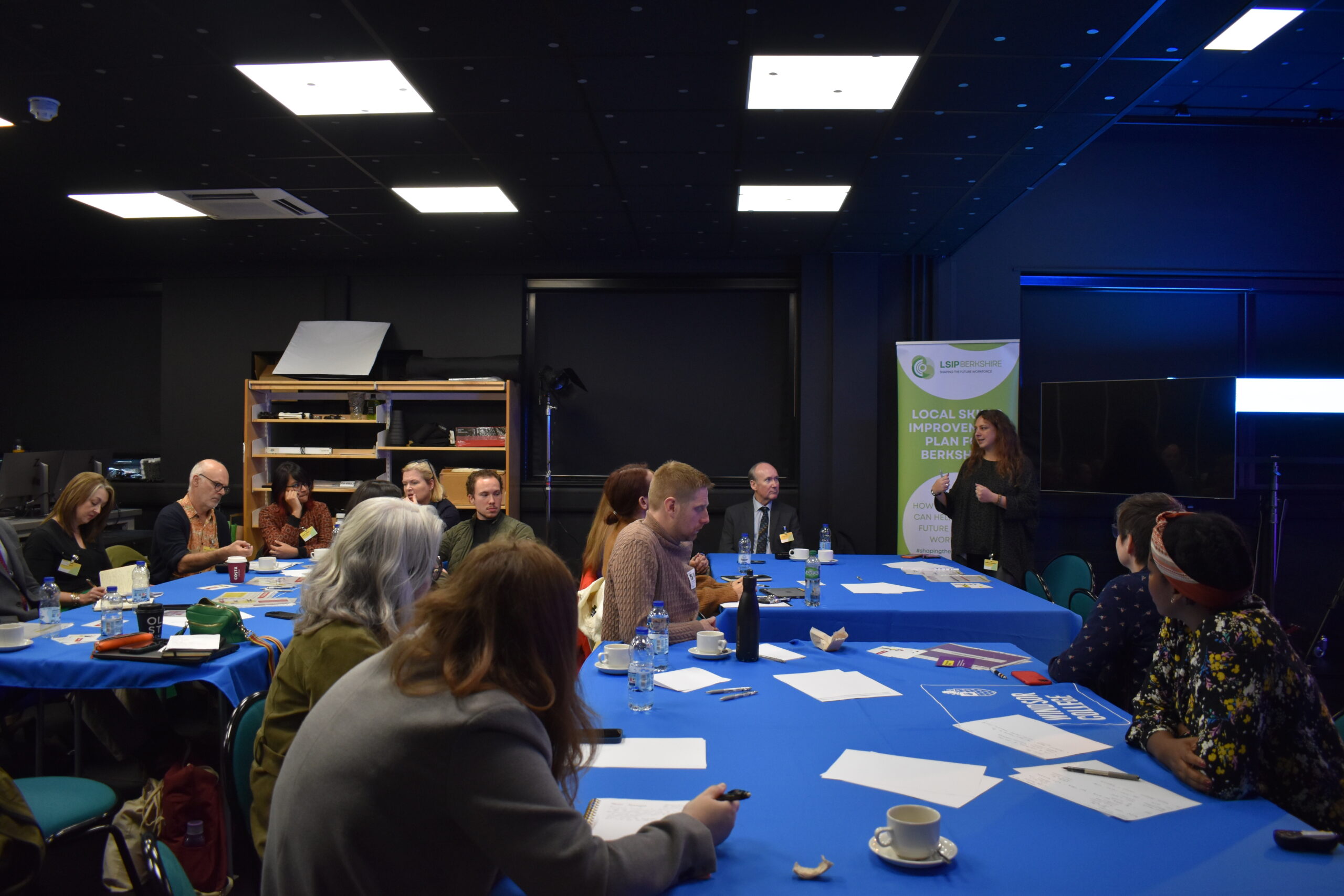
Screen Industries Workforce Development Partnership
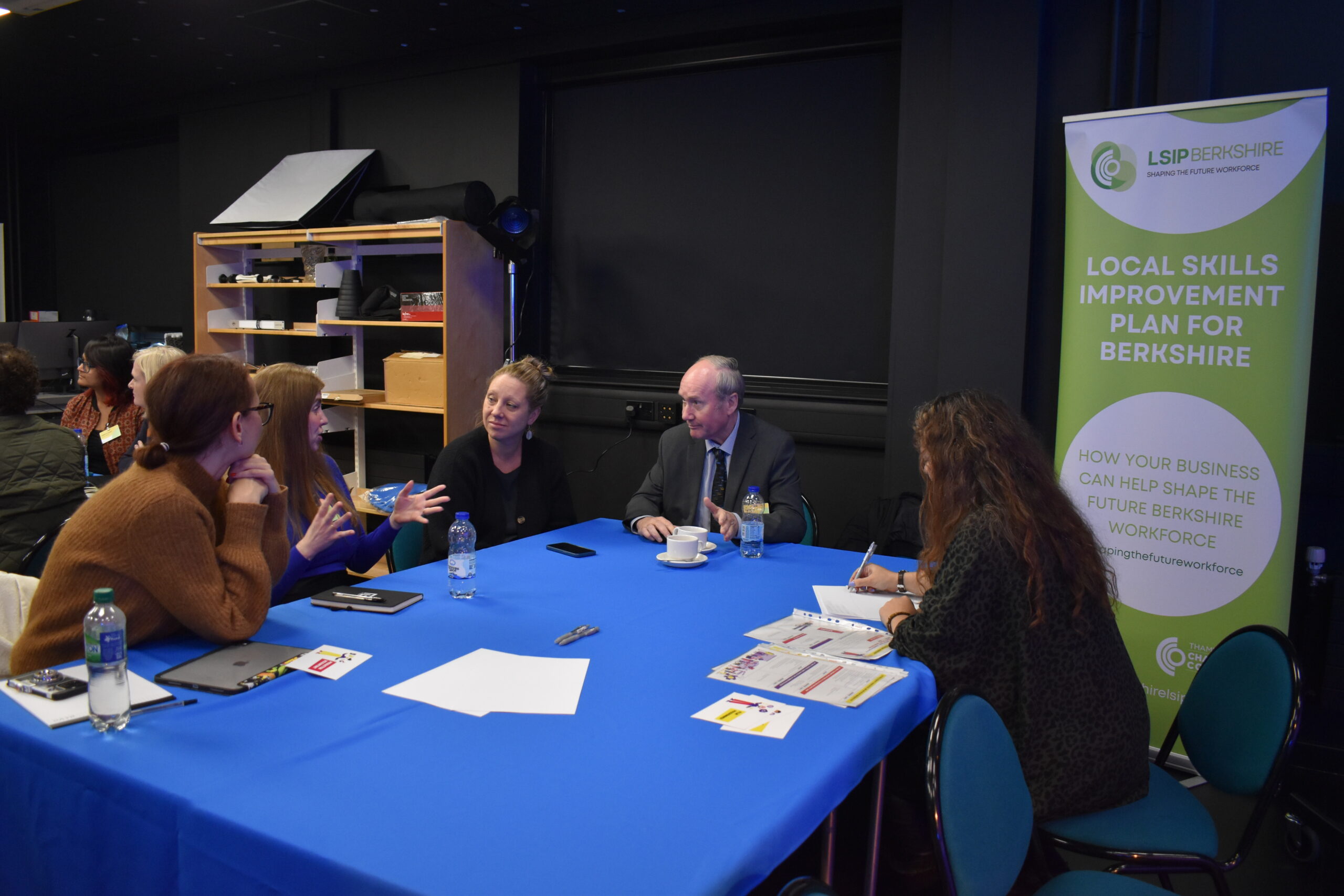
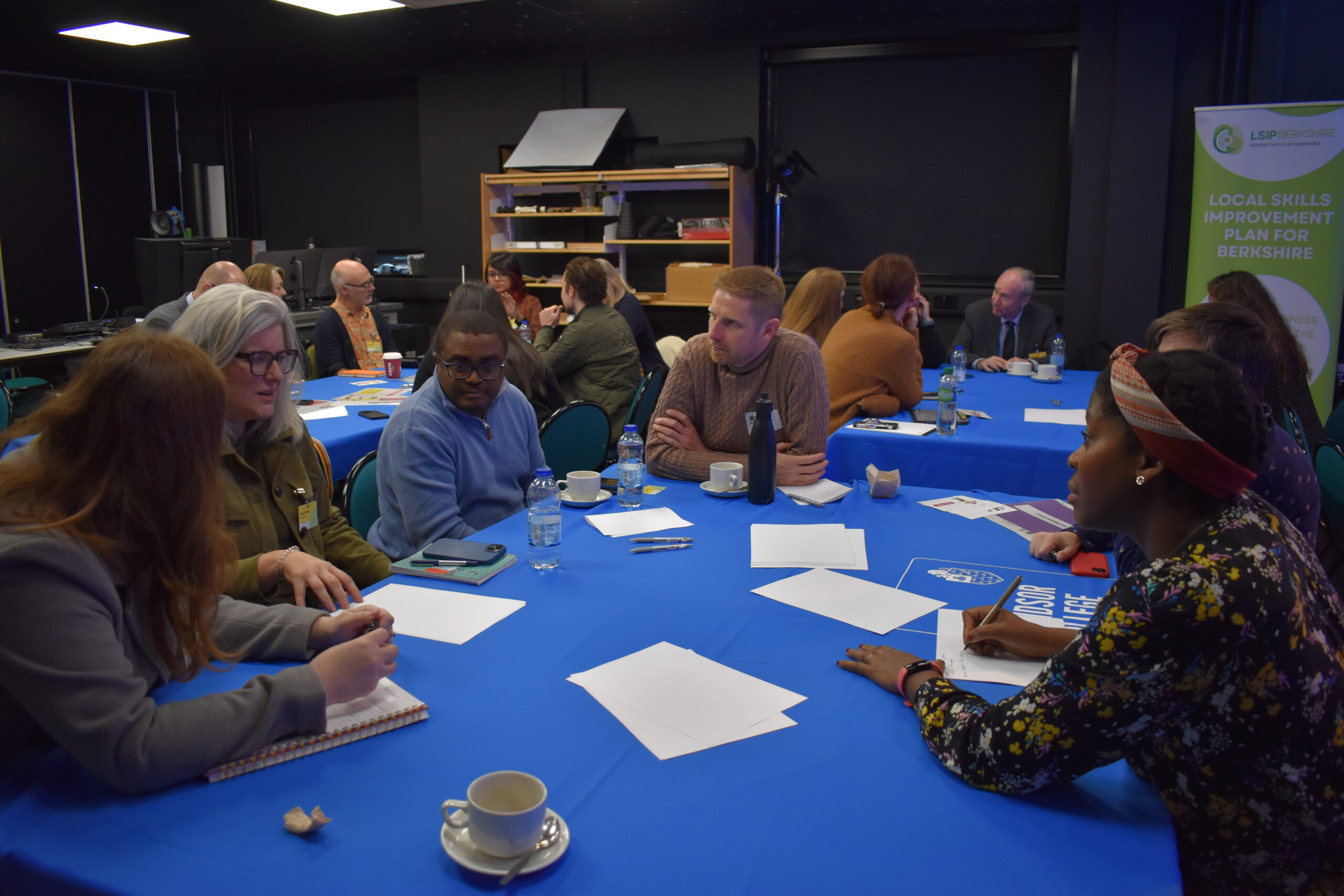
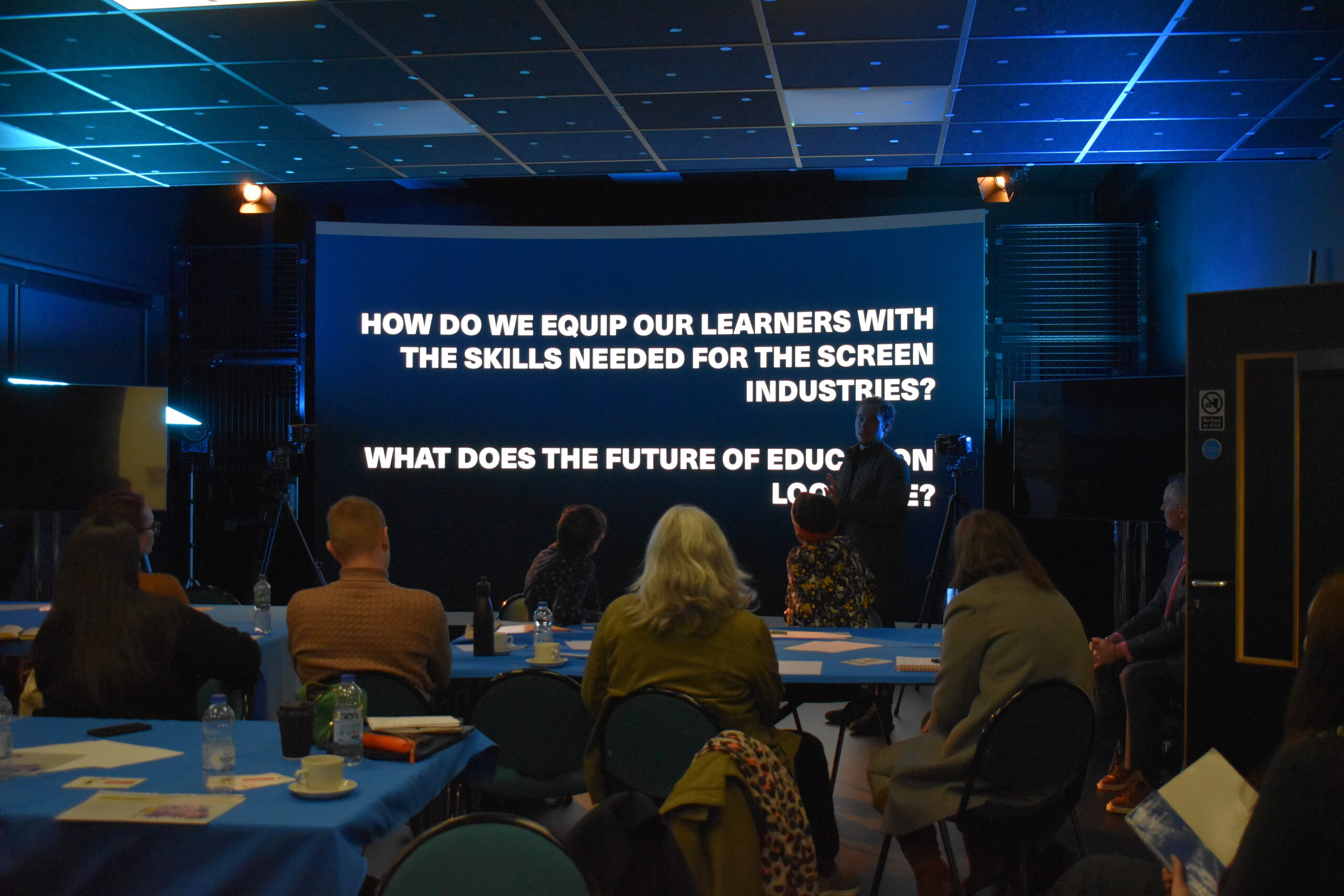
The fifth meeting of the Screen Industries Workforce Development Partnership was a lively and engaging session, packed with updates, discussions, and ideas for shaping the future of the industry. The Employer Champion kicked things off with a warm welcome and a quick run-through of the agenda before diving into updates on the Local Skills Improvement Plan (LSIP). The Thames Valley Skills Unit is continuing its work to connect stakeholders, promote training opportunities, and help shape industry-relevant courses—something that these Workforce Development Partnership meetings play a big role in supporting.
Sustainability was a key topic, with discussions on carbon literacy and how production teams are adapting to greener ways of working. The general consensus? There’s no need to reinvent the wheel—existing frameworks are already in place, and the focus should be on using them effectively. However, there was a reminder to be mindful of unintended consequences, such as hospitality teams reducing food waste to the point of not offering meals at all. A big shoutout to Activate Learning for their sustainability courses and to Sustainable Film for working closely with the industry to set achievable goals.
Next up was “Train the Trainer,” a programme designed to give educators, careers advisers, and industry mentors the tools they need to guide people into screen careers. A free training pack is being developed by Resource Productions and Salamandra, with an open-access session coming up in January for those keen to learn more. Anyone with ideas or feedback was encouraged to get in touch.
The University of Reading shared an update on its Screen Industries Voices project, which has been gathering insights from freelancers and employed professionals about their experiences in the industry. These findings have already been shared with government ministers, and the next phase will focus on employer case studies to highlight national challenges. Phase 1 of the report is set to be published soon, with a workshop in February to explore gaps in the industry and how they might be addressed.
Apprenticeships were another key topic, with Windsor Forest Colleges Group rolling out two new ones: a Level 3 Production Assistant and a Level 3 Content Creator. While employers are showing interest, there seems to be hesitation in taking apprentices on—though there are financial incentives available, including levy transfers and up to £1,000 per apprentice. Resource Productions shared their successful model, which includes mentorship and regular team check-ins.
T-Levels for 16–18-year-olds in Media, Broadcast, and Production were also discussed, particularly the challenge of securing placements for students under 18. Resource Productions has been trialling a new placement model that involves short-term placements across multiple employers, making it more manageable for businesses while maximising opportunities for students.
There was a strong emphasis on making screen careers accessible to people from all backgrounds, whether they’re young students or career changers. A work experience week was organised with Windsor Forest College Group, giving students hands-on experience at Shinfield and Pip Studios. Some colleges are also getting creative by placing media students in marketing roles within public agencies. The University of Reading encouraged employers to get involved in supporting the next generation of talent.
Looking ahead to 2025, curriculum priorities were reviewed, with a focus on areas such as professional services (digital marketing, legal affairs, production accounting), self-employment skills, sustainability, and production design. The need for skilled set decorators, builders, electricians, and lighting specialists was highlighted, as many experienced professionals have moved into other industries due to recent challenges like strikes and the pandemic.
The meeting wrapped up with a showcase from CUBE, highlighting their collaboration with Windsor Forest Colleges Group to design studio spaces and select the right equipment. As always, a big thank you went out to all attendees for their contributions, with plenty of exciting work still to come.
Key actions moving forward:
- Create a central system for employers to offer apprenticeships, internships, work placements, and industry talks.
- Expand the Train the Trainer resources across colleges and careers organisations.
- Review current screen industry training programmes for the next meeting in March.
- Continue work on sustainability training and apprenticeship support for employers.
- Shape curriculum development in key areas like digital marketing, self-employment skills, sustainability, and production design.
With so much momentum building across training, sustainability, and industry access, the next meeting promises to be just as action-packed!
Related Posts