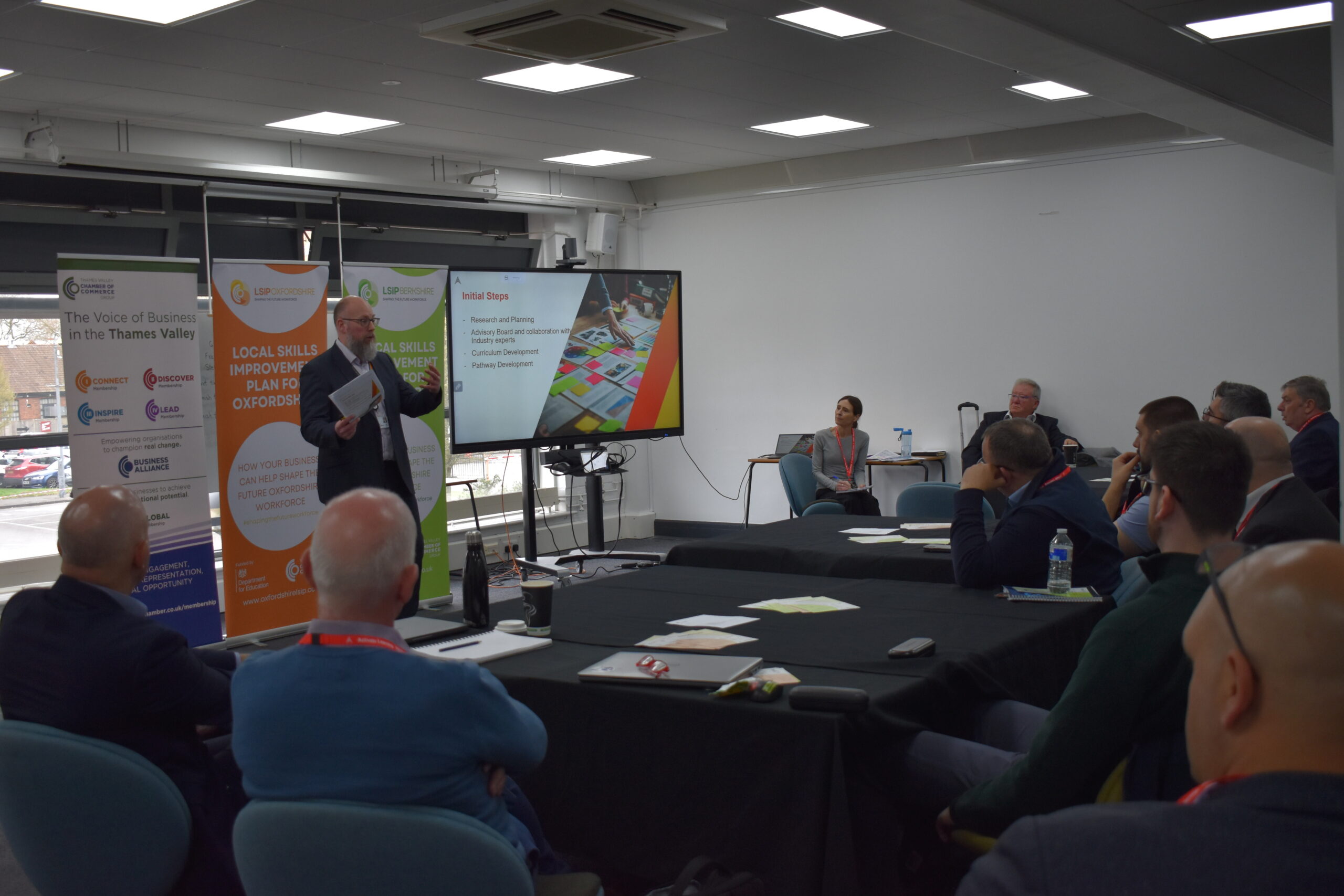
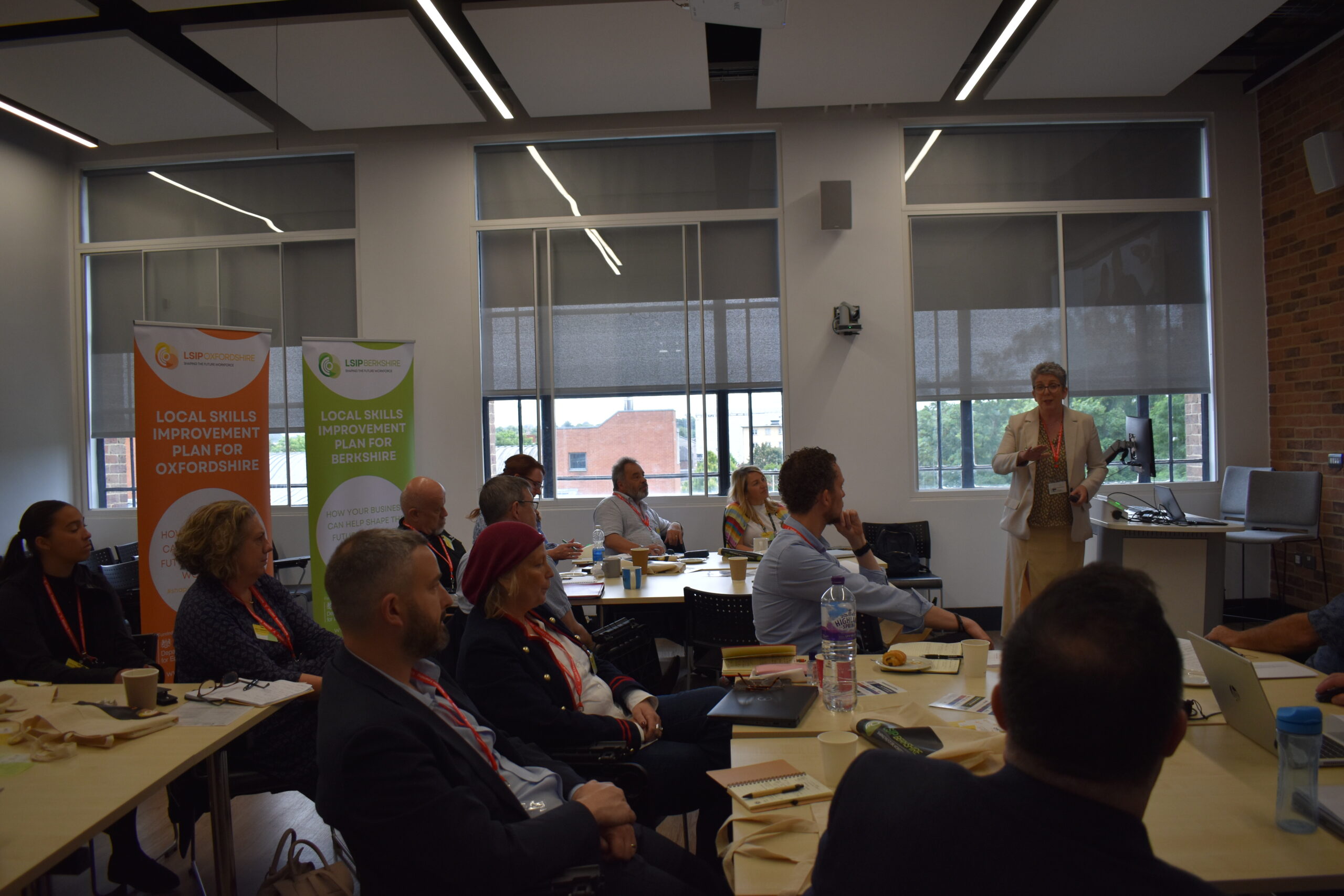
At the recent Haulage and Logistics Workforce Development Partnership meeting, on June 12th, stakeholders from…



Haulage & Logistics Workforce Development Partnership
We were delighted to host the 3rd meeting of our Haulage and Logistics Workforce Development Partnership at Langley College, WFCG’s Learner Centre of Excellence for Motor Vehicle training.
A warm welcome and introduction from Paul Britton (CEO) from the Chambers of Commerce highlighted the ongoing skills and recruitment challenges in the Chamber led Quarterly Economic Survey. The critical role of the logistics and shipping sector in maintaining business operations and supporting import trade was emphasized, as was the need to address these issues to ensure the sector remains robust and responsive to market demands.
The focus of the meeting was to build upon the outcome of the group discussion led by Activate Learning identifying the current and future skills and recruitment requirements of employers in the region and how the Partnership can help to meet these.
The agenda included updates on Chamber and LSIP activities, the requirement for an Employer Champion, Training Provision Strategies, and Group Discussions with updates from the colleges and training providers on the skills needs and next steps. Recruitment Trends and Insights and Alternative Workforce Pipeline Opportunities were also shared.
A presentation from the Chartered Institute of Logistics and Transport’s, Chris Markey discussed the logistics sector’s growth, future skills need and emerging technologies such as AI, robotics, and autonomous vehicles. The importance of upskilling workers, particularly in digital literacy and advanced systems, was stressed. A Careers event promoting Logistics as a preferred career choice will be held at Reading College in the Spring, bringing together teachers, students, careers advisers and employer voices together to inspire students and future employees to enter the sector. Recruitment insights from Page Group’s 2024 Talent Trends study were shared, including both National and Supply Chain and Logistics specific insights. Discussions also touched on strategies for helping businesses navigate the shifting labour market and shaping their talent strategies. Inclusion initiatives, such as programs for ex-offenders, were reviewed, with examples of successful partnerships fostering long-term social impact and an option to support talent pipeline shortages.
The meeting concluded with a summary of key actions, including the development of targeted training, improving employer-training provider collaboration, infrastructure for new technologies and promotion of the sector.
Related Posts