Honorary Thames Valley Chamber of Commerce (TVCC) member Phil Smith CBE, a respected technology industry leader, has…

Thames Valley Chamber of Commerce Parliamentary Question Time: A Vital Discussion on Apprenticeships and Green Skills
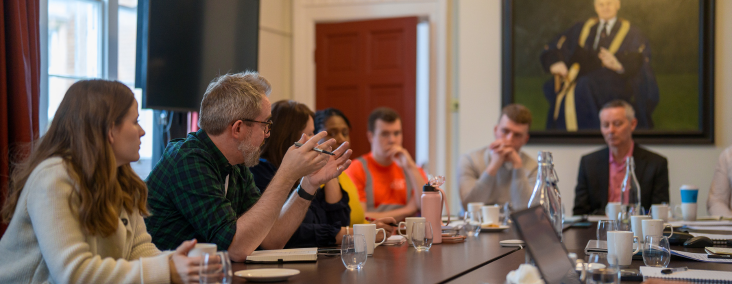
The recent Thames Valley Assembly (TVA) Parliamentary Question Time (PQT) event, sponsored and hosted by the University of Reading, provided an invaluable insight into the challenges and opportunities surrounding apprenticeships, green skills, and the broader educational landscape. The panel featured prominent figures such as Yuan Yang, Labour MP for Early and Woodley; Jack Rankin, MP for Windsor; and Rt Hon Robert Halfon, former Minister for Skills and Apprenticeships. Their contributions, alongside those of esteemed academic and business representatives, fostered a dynamic and engaging discussion on the pressing issues facing the Thames Valley and the UK as a whole.
These sessions serve as an essential platform for MPs, ministers, policymakers, and civic leaders to engage with local businesses. They offer a unique opportunity to shape the work of the TVA in supporting Thames Valley Chamber of Commerce (TVCC) members, ensuring that the voices of the business community are heard and reflected in regional policies. This engagement is critical in addressing the economic and infrastructural needs of the Thames Valley, which is often referred to as the UK’s engine of growth. The event explored key issues, including skills development, apprenticeships, infrastructure projects such as the Western Rail Link to London Heathrow and potential airport expansion, and the broader strategy for future economic growth in the UK.
One of the most prominent discussions focused on the urgent need to align higher education and apprenticeships with the evolving demands of the economy. The session featured valuable insights from Rt Hon Robert Halfon, former Minister for Skills, Apprenticeships and Higher Education, and Professor Robert Van de Noort CBE DL, Vice Chancellor of the University of Reading. Together, they examined the sustainability of current funding structures, the impact of artificial intelligence (AI) on education, and the transformative potential of the Lifelong Learning Entitlement. These discussions underscored the necessity for a more adaptable and responsive education system that caters to both students and the workforce, ensuring that the UK remains globally competitive.
A focal point of the debate was the growing prominence of alternative educational models. The discussion highlighted industry-led institutions such as the Dyson Institute, which emphasises hands-on learning, as well as the increasing popularity of degree apprenticeships. These innovative models are proving to be highly effective in meeting the needs of both students and employers. By providing a direct pathway from education to employment, these approaches help to bridge the skills gap in key sectors such as the creative industries, technology, and health and life sciences. These fields are not only essential to the economic future of the Thames Valley but are also critical to the broader UK economy.
Beyond the discussion of educational models, the session also touched on the role of businesses in shaping the skills agenda. The audience, composed of local business leaders and stakeholders, posed insightful questions about how the region’s educational offerings could better align with its economic needs. This interaction demonstrated the strong desire for collaboration between businesses and educational institutions, ensuring that the future workforce is equipped with the skills necessary for sustained economic growth. There was broad consensus that fostering closer ties between academia and industry is key to addressing ongoing skills shortages.
The event also provided a valuable platform for addressing specific regional concerns. In particular, the creative industries, and more specifically the screen sector, were given significant attention. The panel expressed strong support for Screen Berkshire, an initiative that has played a crucial role in attracting global partners such as Shinfield Studios, Shadowbox Studios, Bray Film Studios, and Prime Video & Amazon MGM Studios. The success of this sector has been bolstered by funding from the British Film Institute (BFI) and the Department for Culture, Media, and Sport, further solidifying the Thames Valley’s position as a leading hub for creative production and innovation.
Overall, the event proved to be an enriching and thought-provoking occasion, bringing together key stakeholders from government, education, and business. It reinforced the vital role that education plays in shaping the future workforce while highlighting the importance of collaboration in fostering the skills needed to drive economic prosperity. As the Thames Valley continues to evolve as a major economic powerhouse, events like this PQT session will remain crucial in ensuring that policies and initiatives are aligned with the needs of businesses and communities alike. Through ongoing dialogue and cooperation, the region can continue to develop a skilled workforce capable of meeting the demands of an increasingly complex and competitive global economy.
Related Posts