At the most recent online meeting of the Screen Industries Workforce Development Partnership, attendees from…

Screen Industries Workforce Development Partnership
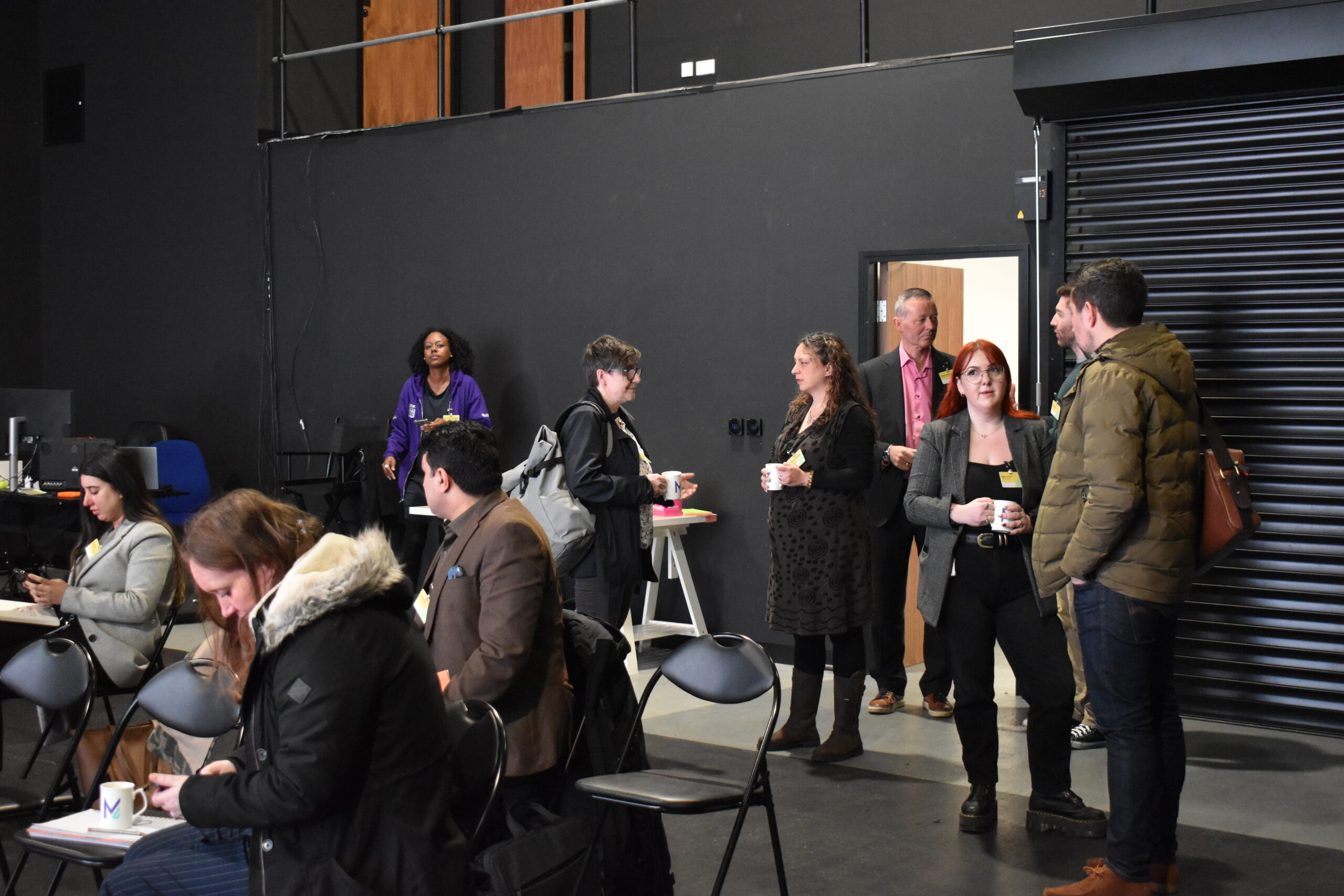
The sixth meeting of the Screen Industries Workforce Development Partnership commenced with a warm welcome and gratitude extended to CUBE Studio for hosting. Attendees were thanked for their continued engagement in supporting skills development and industry collaboration.
Screen Berkshire, managed by Resource Productions, remains committed to fostering social change through art and film while promoting diversity in the Creative Industries. The initiative provides Berkshire-based freelance crew, educators, and residents with free access to training, placements, mentoring, skill development, job opportunities, and on-set experience. The Create & Credit production scheme continues to support independent short films, with two currently in post-production and a film from the Berkshire Screen Launch set to be showcased at an upcoming festival. The Runner SWAP DWP programme has successfully placed 23 crew members on productions, and the Train the Trainer programme continues to provide valuable industry-focused training.
A new lighting, camera, and grip bootcamp is being introduced following Berkshire’s successful launch of the first Screen Bootcamp, which has now been rolled out nationwide. JGA, an independent training provider, will run the bootcamp, with all participants guaranteed an interview upon completion. The Train the Trainer programme is also expanding, offering accessible training for educators to enhance their understanding of the film and television industry.
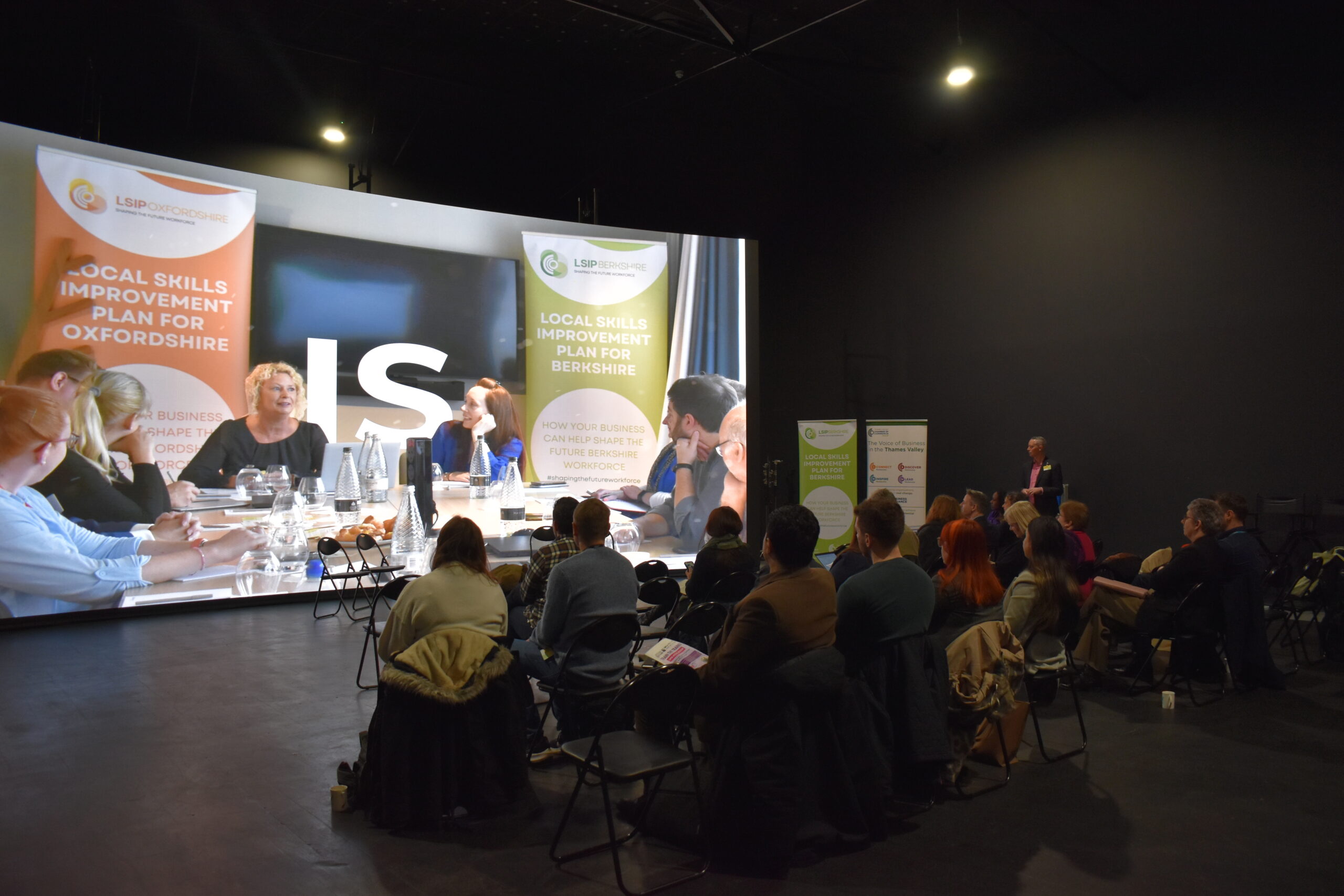
Local Skills Improvement Plans (LSIPs) are focused on connecting people, empowering businesses, and strengthening the regional workforce. Labour’s policy agenda prioritises economic growth, local authority empowerment, and skills reform. The Devolution White Paper has introduced a new governance structure, granting local authorities greater control over jobs, housing, and strategic planning. The Industrial Strategy White Paper highlights investment in green energy, technology, and regional economic resilience. LSIPs are now embedded in national economic and skills strategies, ensuring employer-led approaches to workforce planning. Future governance changes will see LSIPs jointly managed by Employer Representative Bodies (ERBs) and Strategic Authorities, ensuring alignment with national and regional priorities.
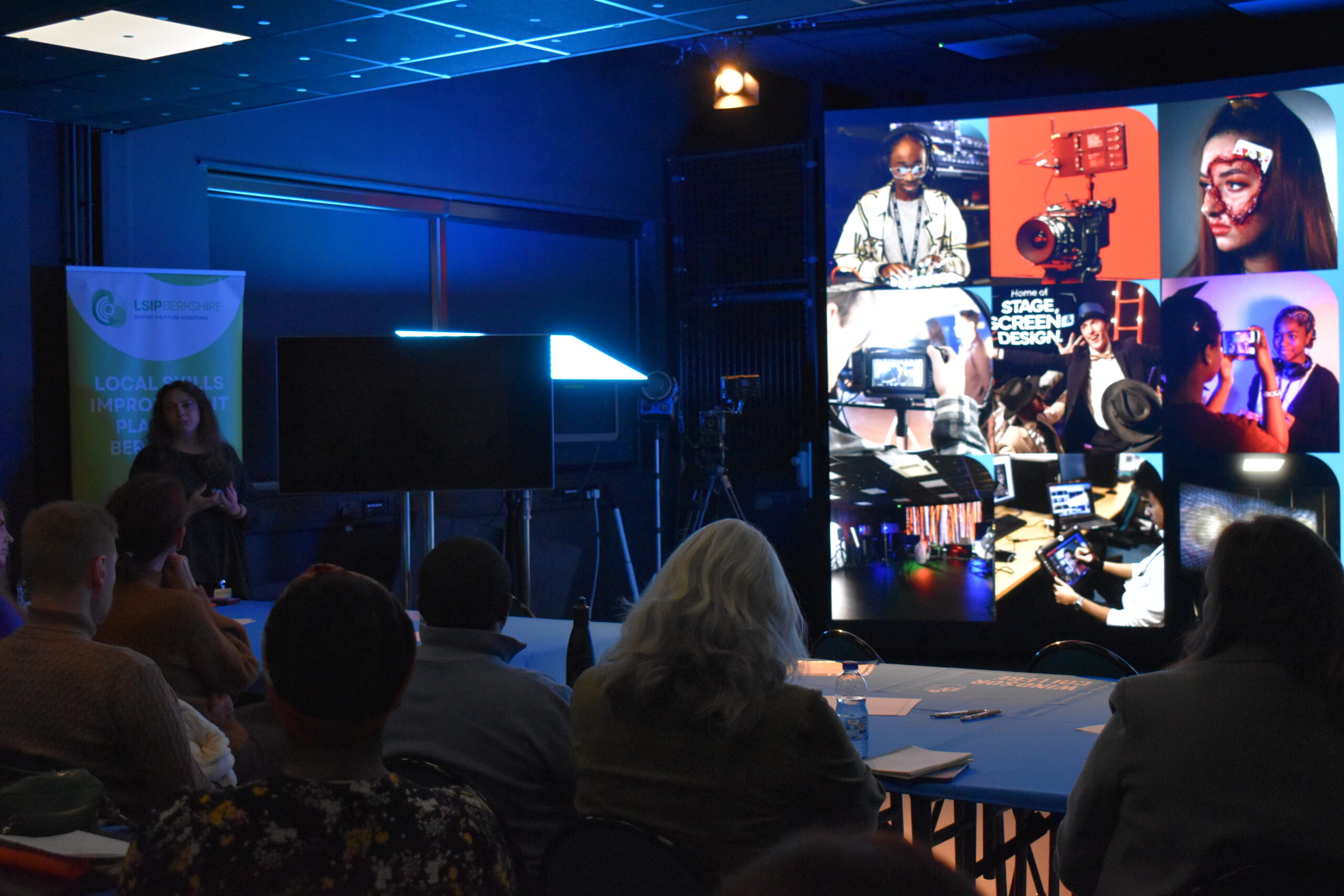
CUBE Studio continues to support industry development through production services, mobile studio builds, and virtual production, ensuring the next generation gains real-world experience. Their studios in Maidenhead, East London, and Windsor cater to different industry needs, with the Windsor studio integrating student training with commercial work. The studio’s goal is to match clients with suitable production spaces while providing career opportunities for emerging talent.
Sustainability is becoming increasingly embedded within industry roles and company strategies. In professional services, there is a growing need for digital marketing, legal expertise (including intellectual property and AI), and production accounting. Educational resources could help by simulating real-world budgeting, case studies, and legal scenarios. There are ongoing discussions about supporting re-entrants to the industry, particularly those over 50, in areas such as costume-making, while also addressing difficulties in filling part-time roles. Self-employment challenges were discussed, with a focus on industry navigation, financial resilience, and increasing exposure to entry-level jobs. Educational institutions were encouraged to facilitate networking opportunities for students.
The transition of real-world skills into digital environments is a key focus in production design and cinematography. The integration of software such as Unreal Engine into training programmes could enhance industry readiness, and further collaboration between educators, training providers, and employers is needed to develop effective models.
A new T-Level work experience pilot is underway, offering students 360 hours of industry exposure over two years. The programme includes on-set experience and visits to production facilities such as CUBE Studios and Shinfield. Students complete 130 hours of industry placements in their first year, gaining real-world experience and industry credits under the guidance of department heads. Resource Productions is leading industry engagement for the pilot at Kennet School, with potential for wider rollout and further cross-provider collaboration.
The Screen Industries Workforce Development Partnership’s sustainability subgroup is working with industry representatives to identify key sustainability skills. Phase 2 of the Screen Industry Voices research project will gather employer perspectives through surveys and discussions. There have been proposals for delivering Carbon Literacy for Content Creators training in Berkshire, which combines production expertise with sustainability education. Plans are being developed to map existing sustainability training, gather industry insights, and facilitate stakeholder meet-ups.
The first phase of the Freelancers Report is scheduled for release in March 2025, supported by the British Film Institute, Film & TV Charity, Creative Industries Independent Standards Authority, and the Association for Independent Professionals and the Self-Employed. Phase 2 will focus on Berkshire screen businesses, with anonymised interviews taking place in March and April. Businesses are encouraged to share their experiences, and group members are invited to participate in discussions.
A soft launch has taken place for two production assistant and three content creator apprenticeships. A highly experienced teacher has joined the team to support the courses, which have already demonstrated early success. Businesses interested in hiring apprentices are encouraged to engage with WFCG. Resource Productions shared positive feedback on their current apprentice, who has made a significant contribution within just three months.
The meeting concluded with a reaffirmation of the importance of collaboration, training, and sustainability initiatives. Ongoing work will continue to refine and expand work placements, apprenticeships, and skills training in response to evolving industry needs.
Related Posts