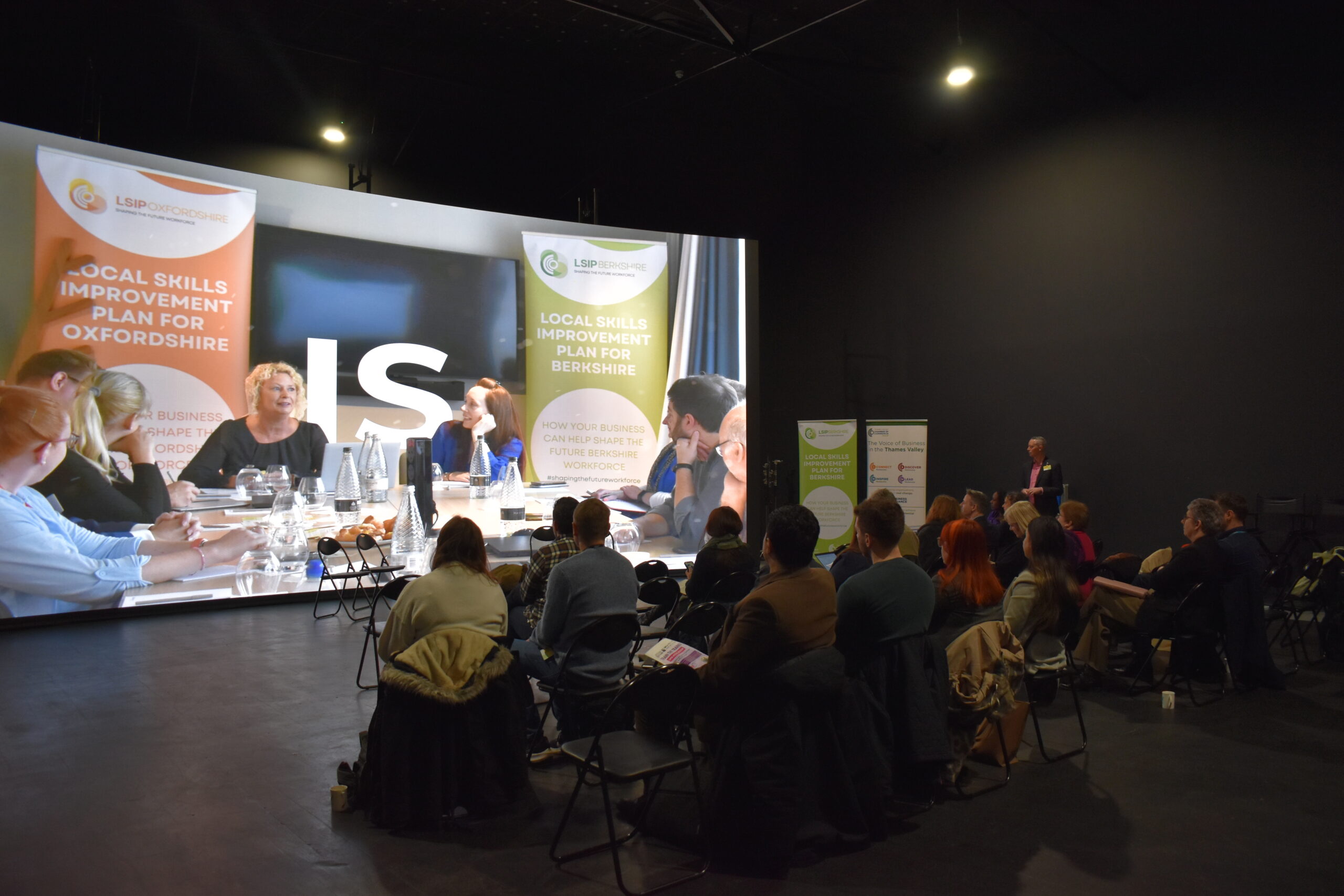
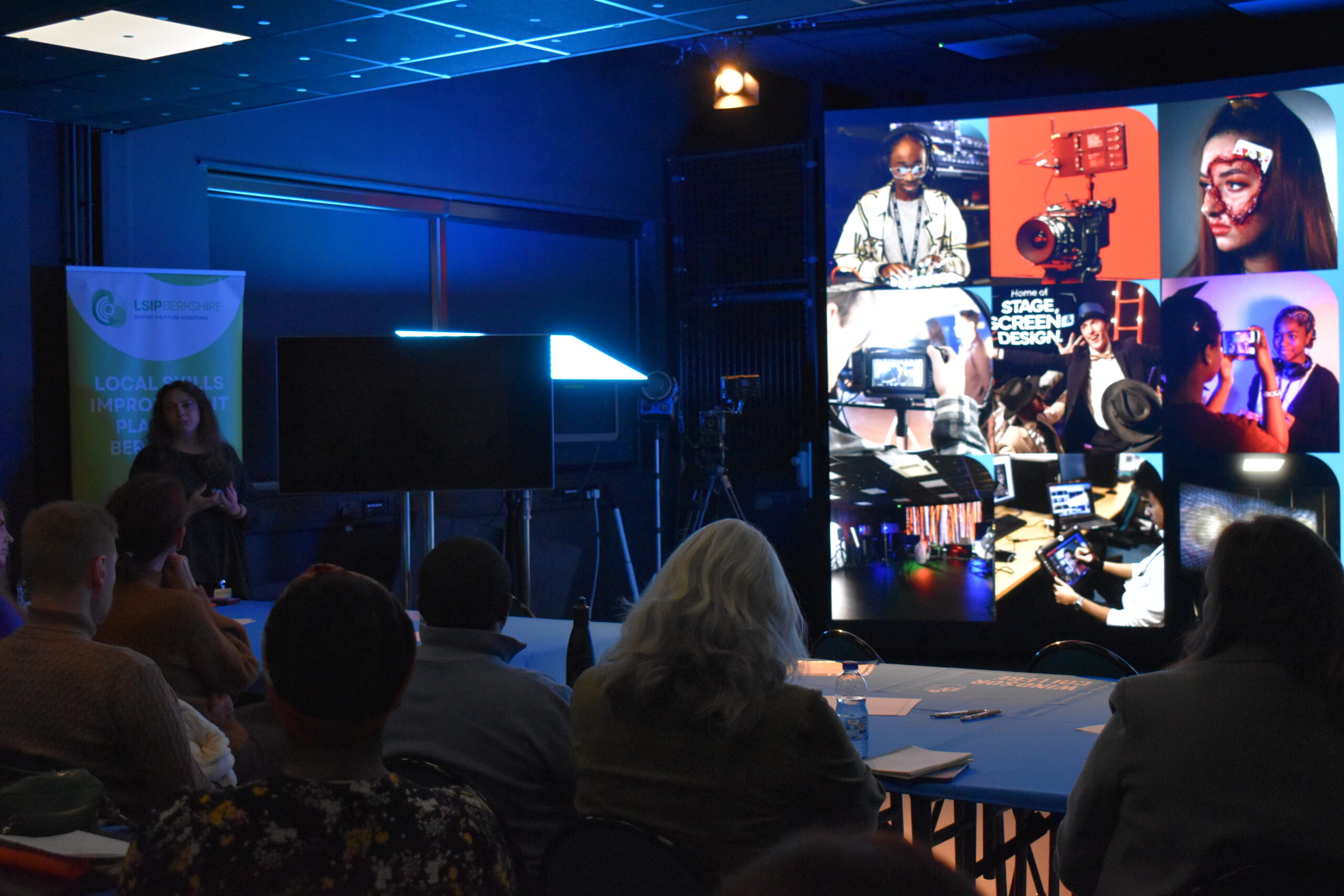
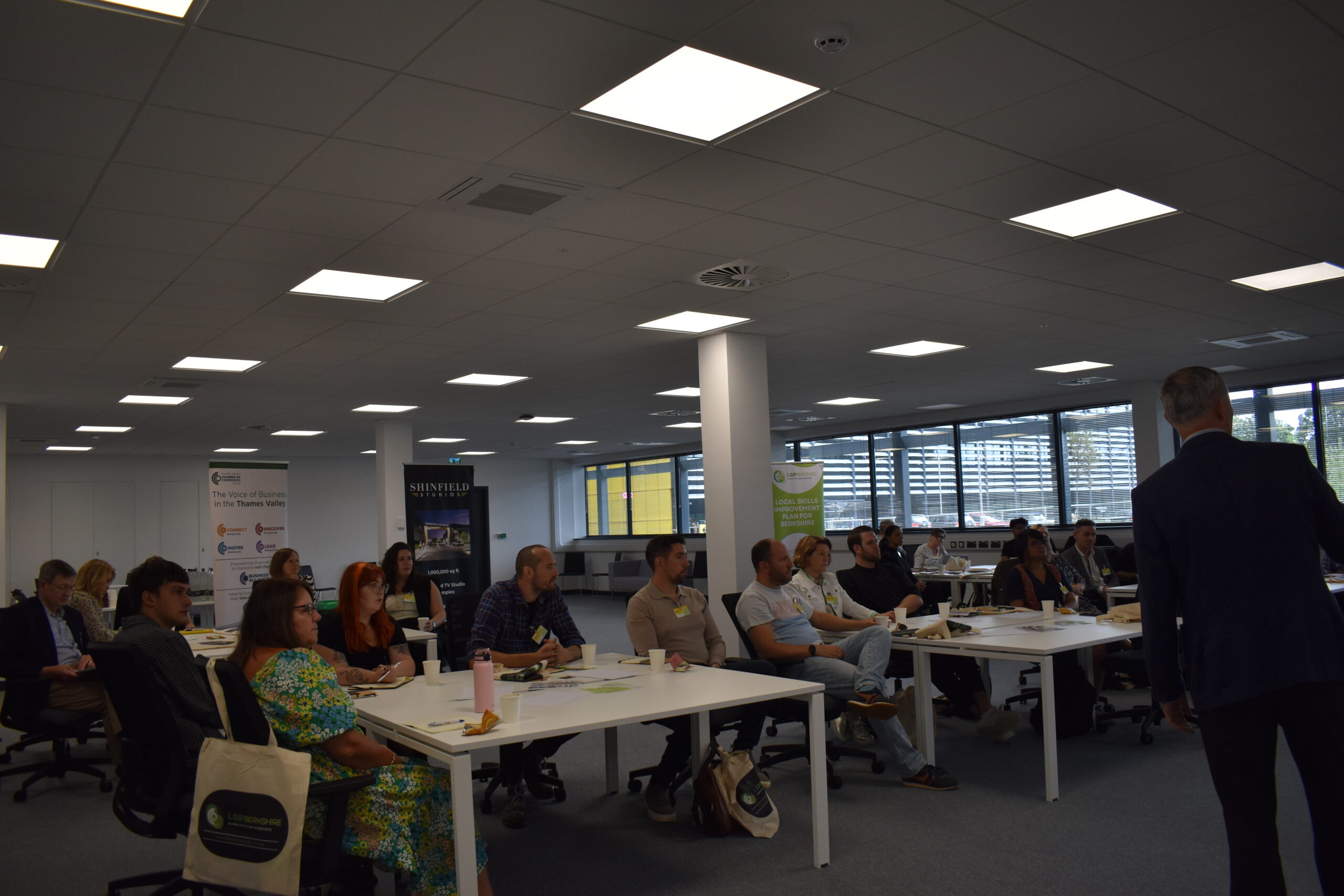
The sixth meeting of the Screen Industries Workforce Development Partnership commenced with a warm welcome…

Screen Industries Workforce Development Partnership
At the most recent online meeting of the Screen Industries Workforce Development Partnership, attendees from education, industry, and strategic organisations came together to discuss national and regional developments, ongoing challenges, and future opportunities. The meeting opened with a welcome and an update on the Industrial Strategy White Paper, which positions the creative industries as a key growth area, with particular emphasis on film, television, and games. The group welcomed government commitments to improved access to finance, innovation, and exports, though concerns were raised about Berkshire’s comparative disadvantage as a non-devolved area. The importance of cross-county collaboration, especially with Buckinghamshire and Surrey, was highlighted as a way to maximise funding and innovation opportunities. The extension of Creative Skills Clusters to 2029 and the anticipated continuation of BFI Film Academy funding were seen as significant positives.
An update on Local Skills Improvement Plans (LSIPs) confirmed that LSIP 1.0 is funded through to March 2026, with planning for LSIP 2.0 due to begin in 2026. Apprenticeships and skills bootcamps were noted as ongoing priorities, with investment in facilities such as the new screen centre at Windsor College helping to strengthen provision. However, low levels of employer engagement remain a concern, with participants agreeing that apprenticeships and training must be promoted in a more commercially relevant way to encourage business uptake.
Work group discussions explored several areas of focus. Training to address mid-level skills gaps in roles such as production management and accounting is progressing, with new programmes at the University of Reading and positive outcomes from bootcamps in Buckinghamshire. The group noted the importance of roadshows and outreach to raise awareness of career opportunities, including those linked to transferable skills from other sectors such as construction. Train-the-trainer initiatives were seen as crucial to equipping both educators and careers advisers with better understanding of screen sector pathways.
Unreal Engine and similar platforms were also discussed as increasingly important tools for digital and virtual production. While demand is growing, challenges such as licensing costs and lack of trained staff are limiting widespread adoption. The group agreed that short, industry-focused courses, potentially bundled with other tools like Blender, would help address demand among freelancers and adult learners. Collaboration with Cube Studios and other industry partners will be pursued to explore training opportunities and potential funding.
The meeting closed with a focus on sustainability. Participants agreed that while a range of providers and organisations already deliver training in this area, the priority should now be embedding sustainability principles within core teaching and professional practice. Employers are increasingly expecting sustainability to be integrated into all roles, rather than being treated as a standalone function. Upskilling the existing workforce and ensuring educators are equipped to deliver sustainability training was identified as the way forward.
Actions agreed included developing short courses on Unreal Engine, expanding the Project and Production Manager Bootcamp, embedding sustainability into teaching delivery, and creating CPD opportunities for educators and advisers. Strengthening cross-county collaboration, improving employer engagement with apprenticeships, and ensuring clear, commercially relevant communication with industry were also identified as key priorities.
Related Posts