skip to Main Content

Construction Workforce Development Partnership

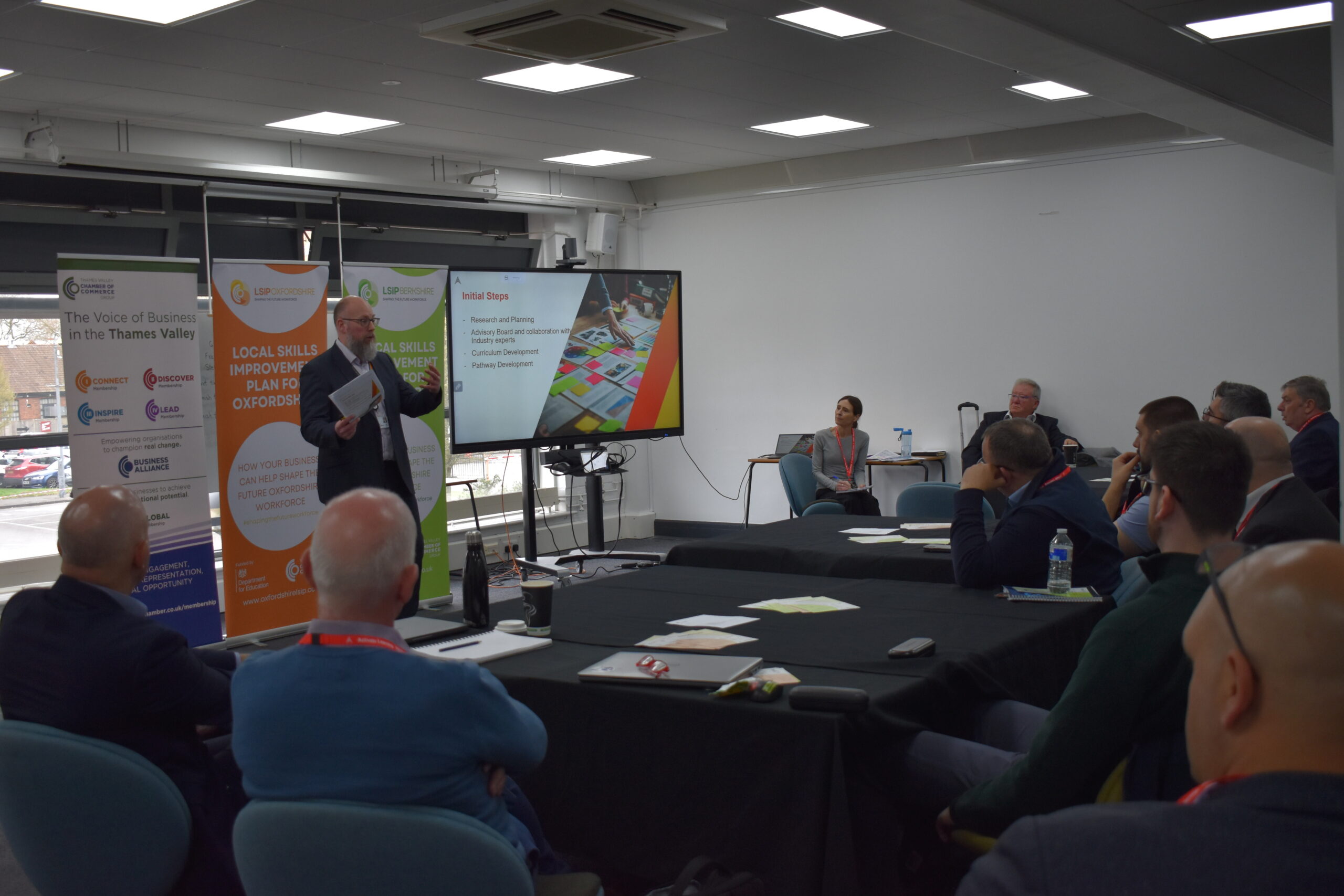
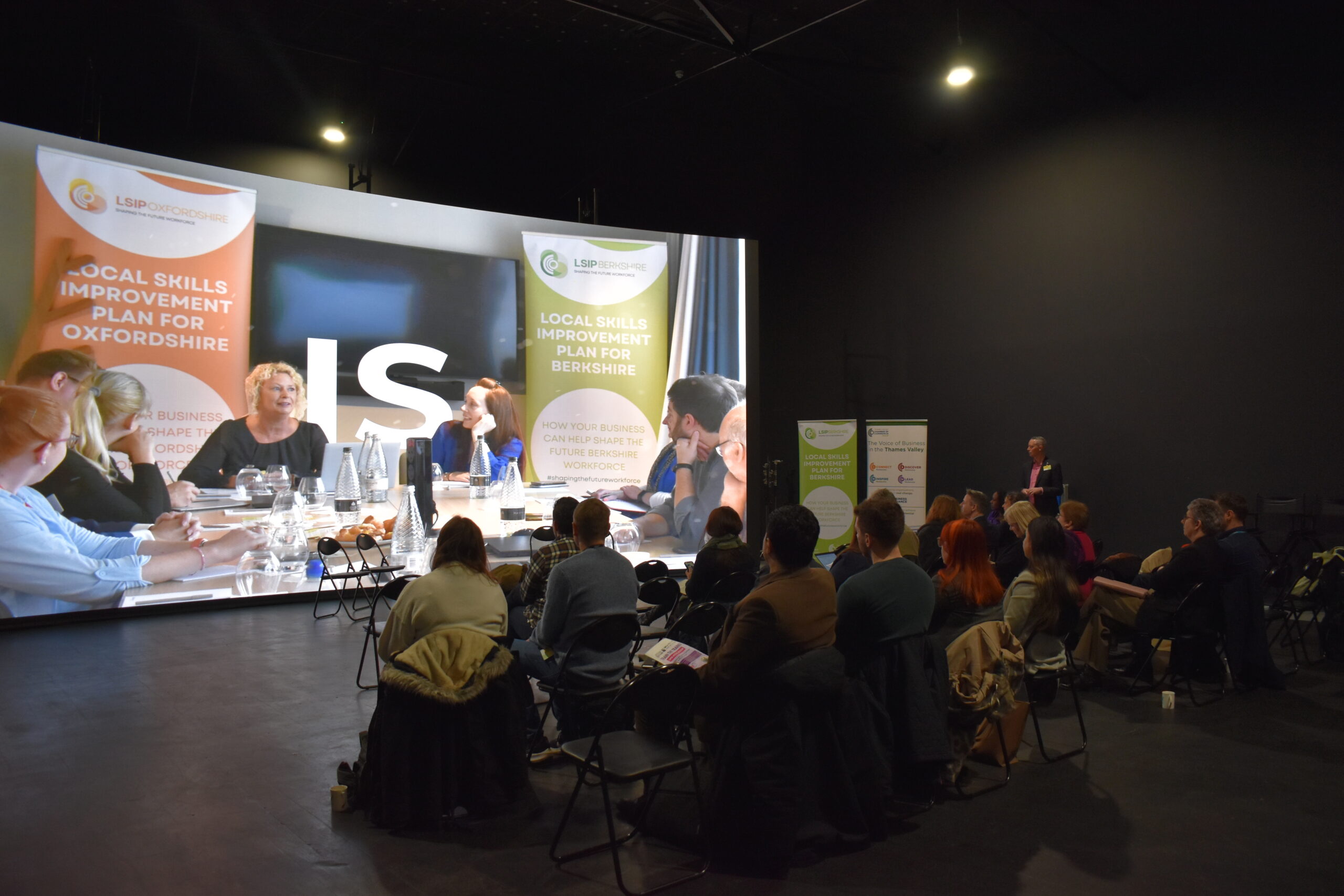
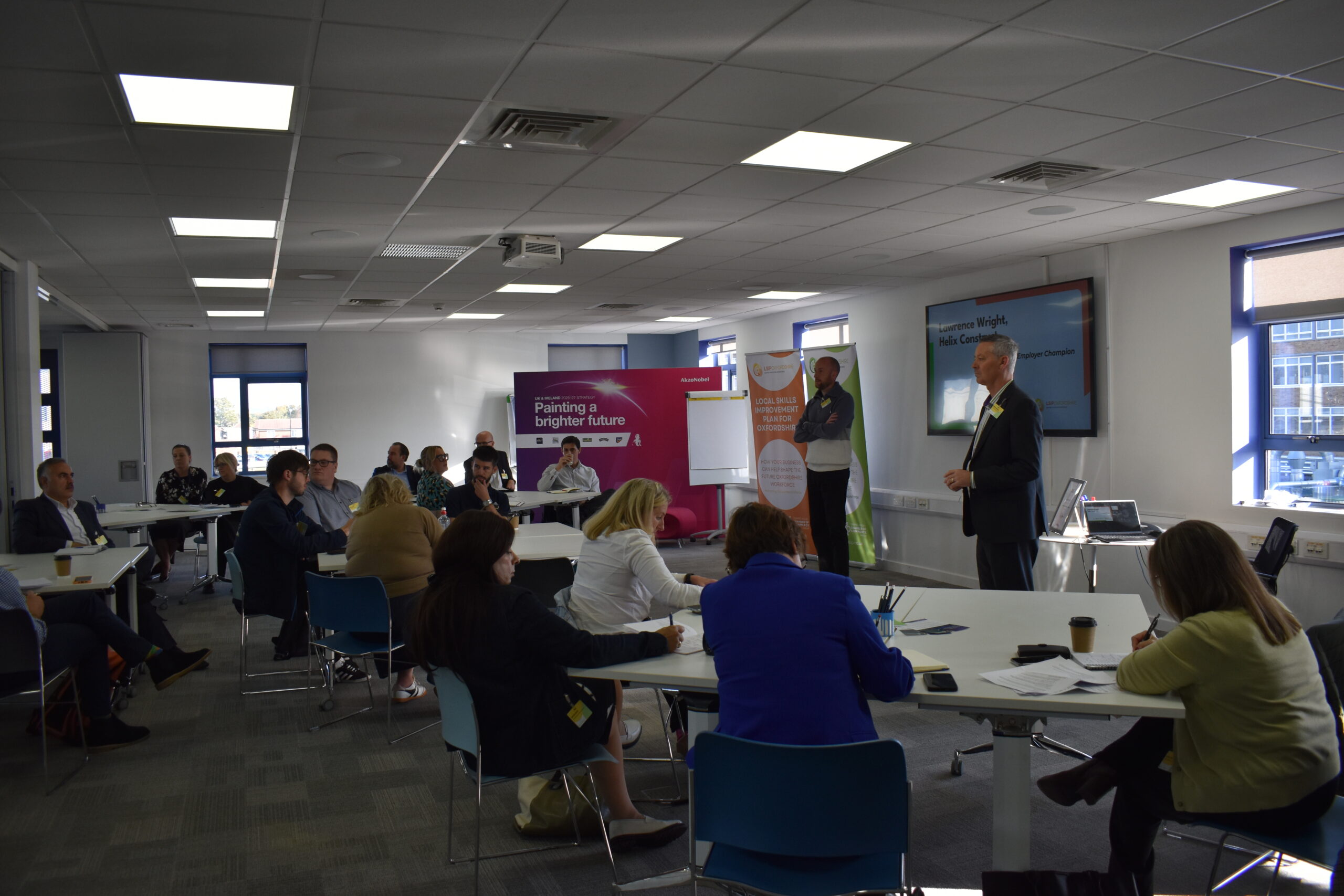
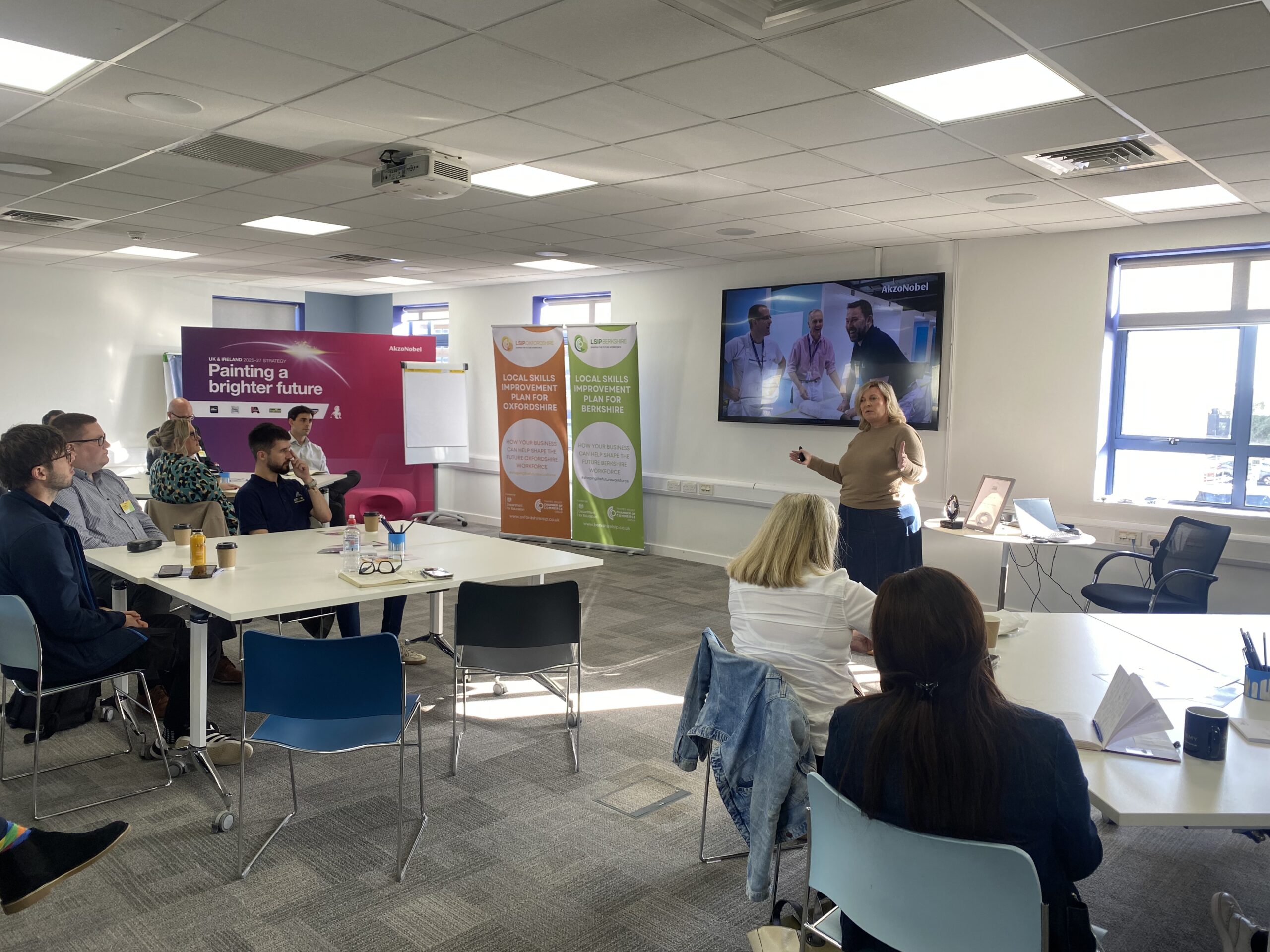
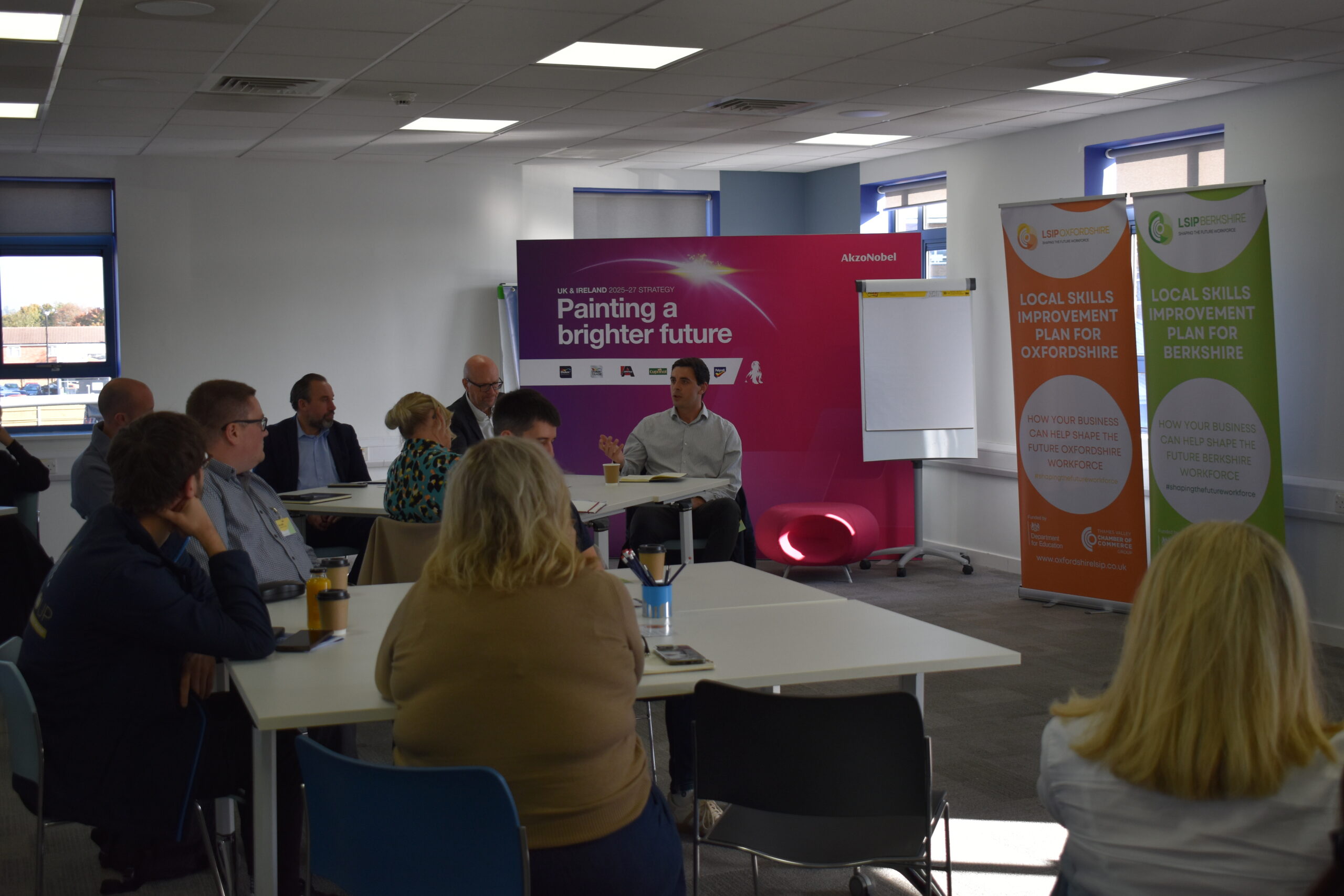
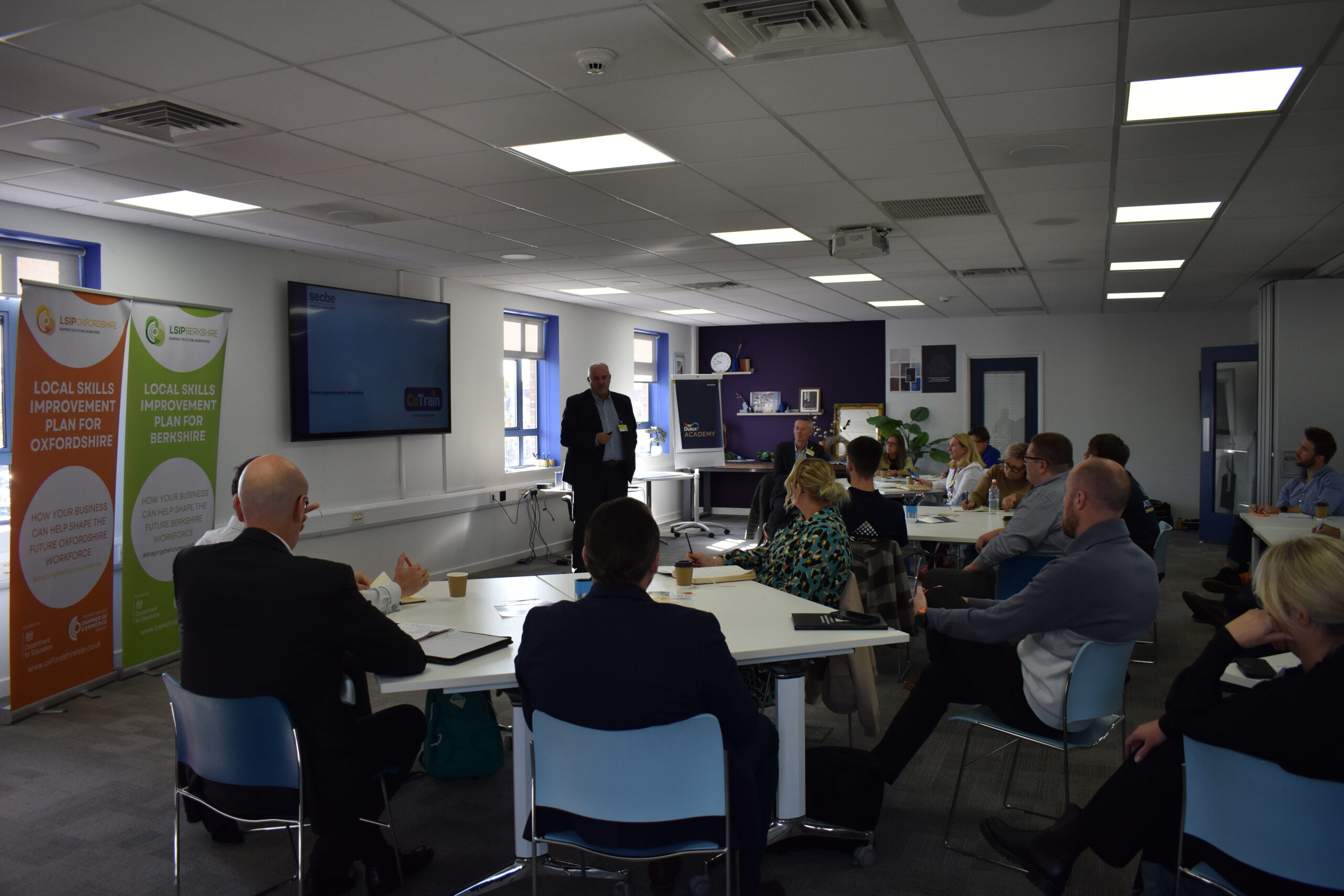
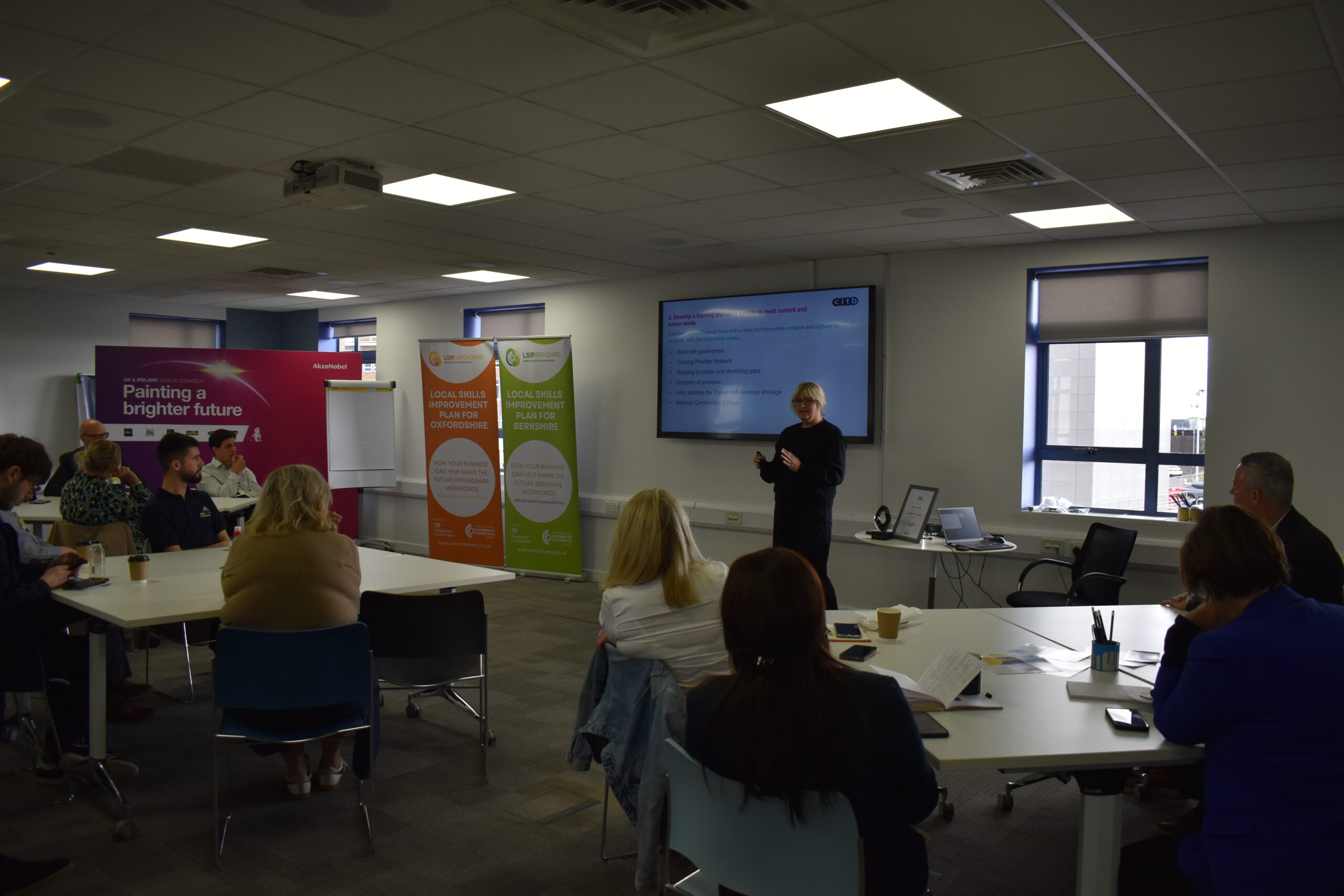
At the Construction Workforce Development Partnership meeting held on 9 October 2025, attendees reviewed the current state of the construction sector, noting that progress had largely stagnated in 2025. Rising build costs, public sector delays, and decision-making bottlenecks were highlighted as key challenges, despite significant funding allocations for affordable housing. The newly appointed Housing Minister’s engagement with planning and safety issues was expected to improve delivery in 2026, but concerns were raised that current skills shortages would become more acute as building approvals accelerate. The forthcoming Future Skills Roundtable on 10 October 2025 was flagged as a key event to address these challenges.

The purpose of Local Skills Improvement Plans (LSIPs) was reiterated, emphasising their role in creating employer-led solutions, building long-term relationships between local businesses and education or training providers, and co-developing strategies to address local workforce needs. Workforce Development Partnerships (WDPs) continue to underpin this work through regular collaboration, project development, and skills and talent pipeline management.

Vickie provided an update on the Dulux Academy, noting its strategic investment in skills through a purpose-built site delivering over fifty courses, apprenticeships, and CPD opportunities to professional decorators and multiskilled trades. To date, 26,000 individuals have trained through the Academy. The training is delivered by active industry professionals, ensuring relevance, though concerns remain over the closure of painting and decorating departments across construction colleges, potentially exacerbating skills shortages.

The group discussed opportunities for a bid under the Industry Impact Fund to develop an introductory pathway for industry professionals to become trainers or assessors. The proposed pathway would use a framework collaboratively developed by Thames Valley employers and training providers, guiding participants from small qualifications toward formal teaching qualifications if desired. The bid allows up to £500,000 in funding, with up to 15% allocated for project management, and would be led by an employer with support from FE providers and endorsing employers. Benefits include transitioning employees into training roles, improving understanding of workforce skills, aligning training with industry practice, addressing recruitment challenges, and delivering social value outcomes such as local employment opportunities and Section 106 compliance. Flexible, individualised training plans and pilot approaches, including pop-up academies and Bootcamps, were recommended to overcome challenges like staff release costs.

The CoTrain shared apprenticeship model was presented, illustrating how contractors can host apprentices for a minimum 26-week period while CoTrain manages recruitment, payroll, HR, and college administration. Key outcomes include 10% of apprentices completing programmes early, 15% securing early employment with host contractors, 30% receiving salary increases, and 95% remaining in the industry post-programme. Structured support, regular reviews, mentoring, and flexible placements across supply chains help ensure learning objectives are met while addressing workforce shortages and supporting social value obligations.

CITB provided an update on their 2025–2029 Strategic Plan, focusing on inspiring diverse talent into construction, developing the training and skills system, and supporting employers to train, develop, and retain their workforce. Initiatives include apprenticeship grants, Travel to Train funding, the Go Construct platform, STEM Ambassadors, CPD modules, quality-assured training through the Training Provider Network, competence frameworks, employer networks, free e-learning, and the Fairness, Inclusion, and Respect programme. Emphasis was placed on in-place workforce support, mapping qualifications, and direct invoicing for employers, with FIR resources soon available via a mobile app.

The meeting concluded with an LSIP 2026 update, confirming LSIPs as a permanent feature of national skills strategy, aligning regional and national priorities, and continuing to place employer engagement at the centre of sustainable skills development. To date, 2,943 employers have participated in meetings and workshops, reaching 94,231 wider contacts. Twenty Employer Champions are leading initiatives, and over 250 businesses actively contribute to WDP activities. LSIF funding of £5 million has supported 45 new courses, benefitting 1,408 learners and providing access to 2,190 new training facilities, with 116 employers contributing to course design. Future priorities include completing LSIP 1.0, progressing LSIP 2.0, deepening employer engagement, aligning with industrial strategy and local authority growth plans, and supporting Net Zero and equality initiatives, while ensuring sector ambitions and skills requirements are met through collaboration between training providers and employers across the Thames Valley.

Agreed actions from the meeting included continuing development of the introductory pathway for industry professionals with potential Skills Bootcamp funding, promoting the CITB Training Provider Network to increase access and quality of regional training, and leveraging CoTrain collaboration to facilitate apprenticeships across employer supply chains.


Screen Industries Workforce Development Partnership

At the most recent online meeting of the Screen Industries Workforce Development Partnership, attendees from education, industry, and strategic organisations came together to discuss national and regional developments, ongoing challenges, and future opportunities. The meeting opened with a welcome and an update on the Industrial Strategy White Paper, which positions the creative industries as a key growth area, with particular emphasis on film, television, and games. The group welcomed government commitments to improved access to finance, innovation, and exports, though concerns were raised about Berkshire’s comparative disadvantage as a non-devolved area. The importance of cross-county collaboration, especially with Buckinghamshire and Surrey, was highlighted as a way to maximise funding and innovation opportunities. The extension of Creative Skills Clusters to 2029 and the anticipated continuation of BFI Film Academy funding were seen as significant positives.

An update on Local Skills Improvement Plans (LSIPs) confirmed that LSIP 1.0 is funded through to March 2026, with planning for LSIP 2.0 due to begin in 2026. Apprenticeships and skills bootcamps were noted as ongoing priorities, with investment in facilities such as the new screen centre at Windsor College helping to strengthen provision. However, low levels of employer engagement remain a concern, with participants agreeing that apprenticeships and training must be promoted in a more commercially relevant way to encourage business uptake.

Work group discussions explored several areas of focus. Training to address mid-level skills gaps in roles such as production management and accounting is progressing, with new programmes at the University of Reading and positive outcomes from bootcamps in Buckinghamshire. The group noted the importance of roadshows and outreach to raise awareness of career opportunities, including those linked to transferable skills from other sectors such as construction. Train-the-trainer initiatives were seen as crucial to equipping both educators and careers advisers with better understanding of screen sector pathways.

Unreal Engine and similar platforms were also discussed as increasingly important tools for digital and virtual production. While demand is growing, challenges such as licensing costs and lack of trained staff are limiting widespread adoption. The group agreed that short, industry-focused courses, potentially bundled with other tools like Blender, would help address demand among freelancers and adult learners. Collaboration with Cube Studios and other industry partners will be pursued to explore training opportunities and potential funding.

The meeting closed with a focus on sustainability. Participants agreed that while a range of providers and organisations already deliver training in this area, the priority should now be embedding sustainability principles within core teaching and professional practice. Employers are increasingly expecting sustainability to be integrated into all roles, rather than being treated as a standalone function. Upskilling the existing workforce and ensuring educators are equipped to deliver sustainability training was identified as the way forward.

Actions agreed included developing short courses on Unreal Engine, expanding the Project and Production Manager Bootcamp, embedding sustainability into teaching delivery, and creating CPD opportunities for educators and advisers. Strengthening cross-county collaboration, improving employer engagement with apprenticeships, and ensuring clear, commercially relevant communication with industry were also identified as key priorities.

Haulage and Logistics Workforce Development Partnership

At the recent Haulage and Logistics Workforce Development Partnership meeting, on June 12th, stakeholders from education, training, and industry came together to align on next steps for addressing regional skills gaps and improving sector visibility. The session was opened by acknowledging the group’s evolving role in connecting employers, providers, and strategic bodies such as the Department for Work and Pensions. Held online to accommodate wider attendance, the meeting set the stage for ongoing collaboration and a hybrid approach to future gatherings.

A key development discussed was the forthcoming launch of the Haulage and Logistics Pathway at Activate Learning’s Banbury & Bicester Campus in the 2025–26 academic year. The new Level 1 programme, with a Level 2 version to follow, will focus on logistics, warehousing, supply chain, transport, and digital skills. It aims to respond directly to employer demand and offer structured progression into apprenticeships and employment. The pathway is planned to expand across seven campuses by 2026–27, with wide regional interest. There was broad support for holding a future face-to-face WDP meeting at Banbury College in the autumn to coincide with the start of the programme, bringing students and employers together to showcase opportunities and raise awareness.

Employers and training providers reflected positively on recent engagement efforts, particularly a careers fair that drew over 250 students and 40 employers. Attendees agreed to share the Vox Pop video and student feedback with participating employers and to track post-event student-employer engagement to assess impact. The success of similar campaigns, including the John Lewis Partnership’s apprenticeship recruitment drive, was noted—with social media outreach cited as a key driver of applicant interest. Colleges reported positive trends in enrolments, especially in motor vehicle and HGV programmes, and reaffirmed the need for stronger employer links to ease transitions into work.

Participants also stressed the importance of starting career awareness earlier, particularly among 14–16-year-olds. Activate Learning committed to targeting this group, especially those at risk of disengagement, through pre-16 provision and stronger promotion of vocational routes. There was discussion about improving coordination between pre-16 and post-16 provision and ensuring that careers teams across colleges attend sector-specific events to better advise students. Attendees discussed the possibility of coordinating a calendar of careers activities for the 2025–26 academic year.

Broader inclusion was another theme, with calls to engage more colleges across the Thames Valley and to better integrate ESOL learners into logistics pipelines. Many ESOL students arrive with qualifications and experience from other countries, and with the right language and employment support, they could fill critical entry-level roles. The group also noted the value of involving students from vocational courses like plumbing, electrical, and hospitality, given the transferable skills relevant to logistics careers.

There was a shared view that careers in logistics are often misunderstood or overlooked by young people. The Generation Logistics campaign was highlighted as a useful national initiative to demystify the sector and engage new audiences. While concerns were raised about future national prioritisation of sectors like Creative Arts over logistics, it was confirmed that LSIP funding remains in place through March 2026, with regional needs continuing to guide strategy. Planning for LSIP 2.0 (2026–29) will begin in autumn 2025, and logistics is expected to remain a core focus locally.

The meeting closed with a strong consensus on the importance of sustained collaboration between employers, education providers, and strategic partners. With momentum building around the Banbury pathway and greater clarity on actions moving forward, the WDP is set to play a key role in shaping a more visible, inclusive, and responsive talent pipeline for the logistics sector.

Construction Workforce Development Partnership

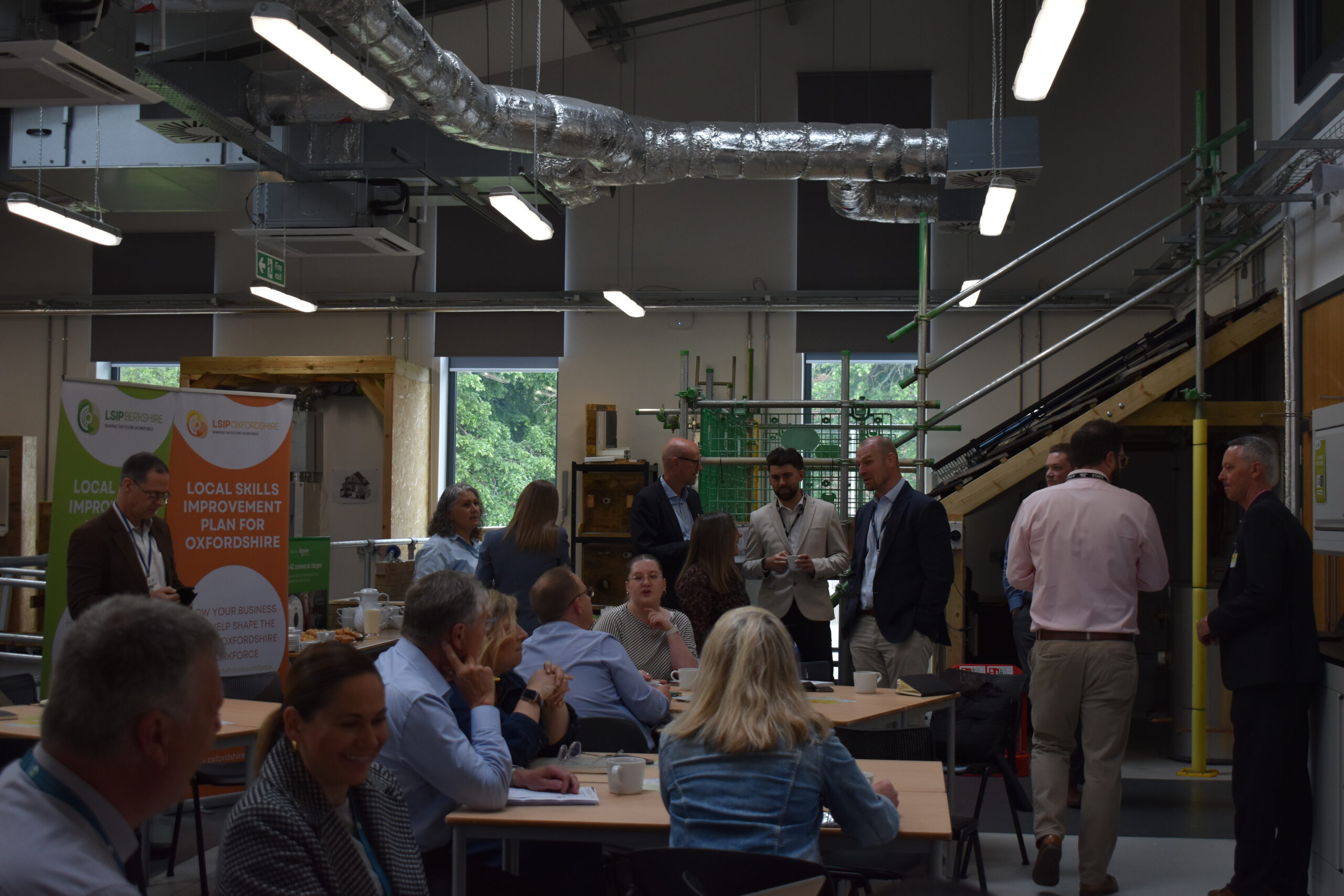
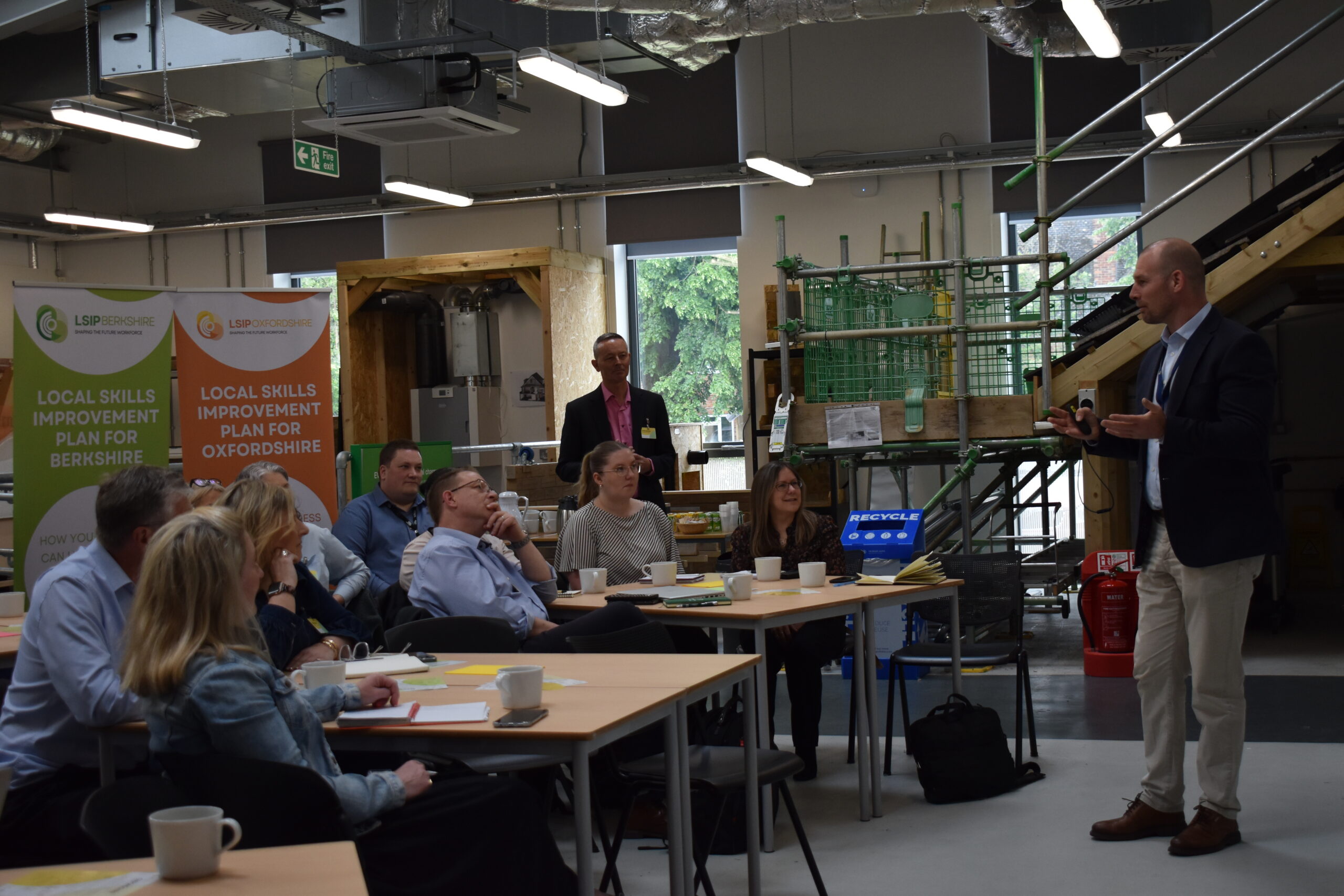
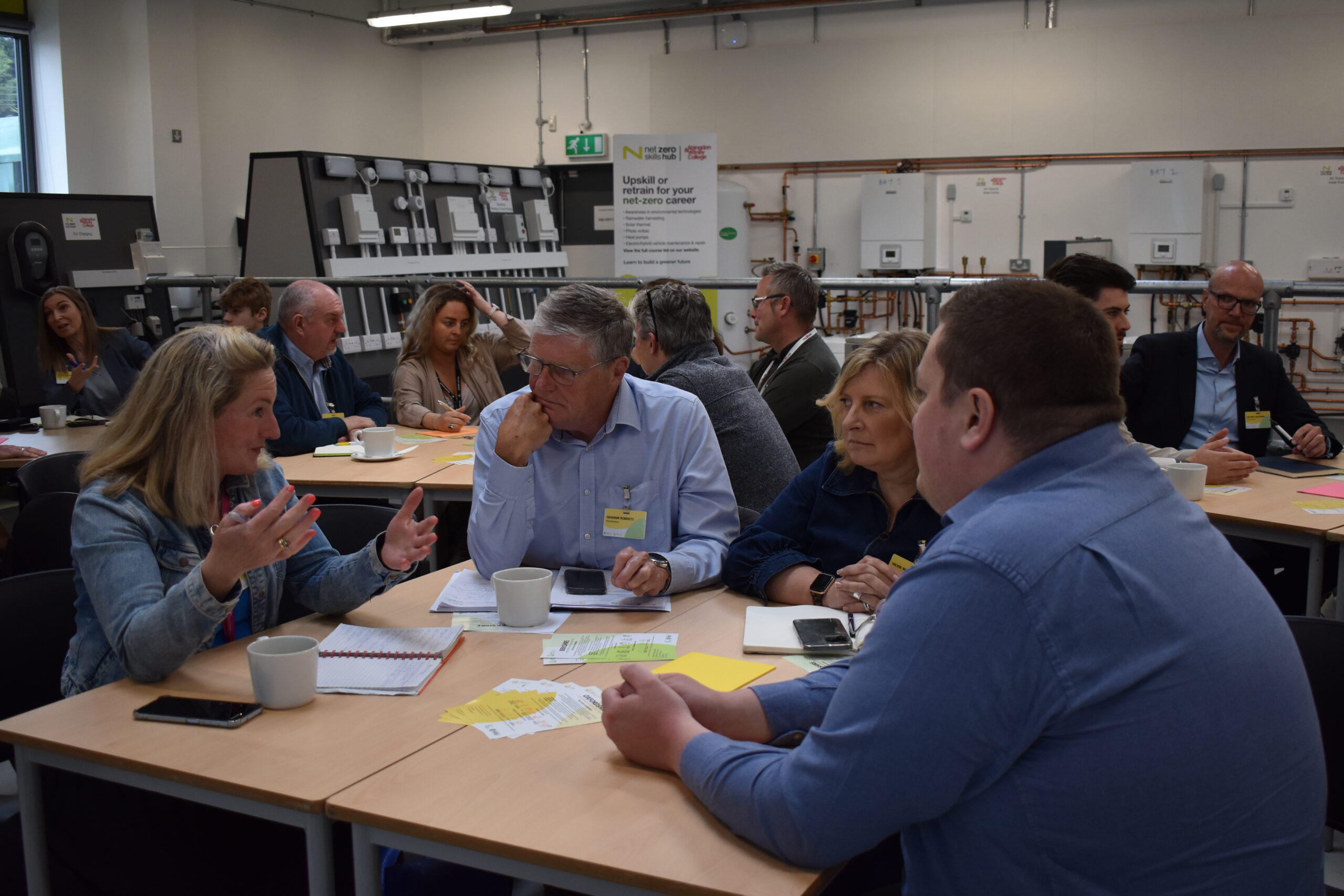
At the most recent Construction Workforce Development Partnership meeting on the 8th May, attendees focused on several key strategies to address the sector’s evolving challenges and opportunities across the Thames Valley. Participants discussed the growing urgency to strengthen the regional construction skills pipeline and to respond more effectively to workforce pressures intensified by industry fragmentation, an ageing workforce, and economic uncertainty.

Abingdon & Witney College opened the session with a presentation on their Net Zero Hub and the current training provision, setting the stage for broader conversations on the changing nature of skills demand. An update from the Chamber followed, outlining recent developments in the Local Skills Improvement Plan (LSIP) and national initiatives. This led to a broader discussion on recruitment difficulties, the disconnect between training and employment outcomes, and the barriers employers face in engaging with young learners and schools.

The group identified a lack of career education in schools and a general misunderstanding of what construction careers involve as major blockers. This is compounded by the reduction in internal career progression routes due to the rise of subcontractor models. Attendees proposed that contractors, in collaboration with their supply chains and training providers, consider piloting regional training academies to provide clearer pathways and practical experience.

There was also strong interest in exploring the use of a DWP audit to identify former construction workers who might transition into training roles, especially those no longer suited to on-site work. Additionally, the possibility of forming a Thames Valley-based consortium to pursue a bid for a Technical Excellence College designation was raised, alongside the idea of pursuing a bid to the CITB Industry Impact Fund for trainer and assessor development—an area identified as underexplored but critical.

On employer engagement, attendees called for better support in offering T Level placements and other experiential learning opportunities, citing challenges like insurance constraints and safeguarding concerns. It was agreed that developing and sharing success stories, particularly from Skills Bootcamps, could boost confidence and demonstrate the tangible value of these pathways. Several participants also highlighted how high material costs and benefit restrictions are limiting training delivery and uptake, calling for greater funding flexibility and awareness of schemes like Foundation Apprenticeships and the DWP Flexible Support Fund.

The importance of more accessible training models was a recurring theme, with suggestions including evening or weekend sessions and one-day-per-week formats. While there are high enrolments on some construction courses, this has not translated into employment at the expected rate—raising concerns about a disconnect between training provision and employer needs, and confusion created by inconsistent media messaging around skills shortages.

Green skills were another focal point. Employers acknowledge their importance, but demand from clients and the market is still developing. Many learners gain green construction skills without finding related jobs. Short-term funding cycles and tight project timelines further constrain the sector’s ability to plan and invest in new talent or innovation. A longer-term approach to funding and skills planning was seen as essential.

Perceptions of construction careers continue to pose challenges, especially in attracting women and younger students. Greater engagement with schools, paired with locally led employment and training models, was recommended as a way to address both image issues and regional employment gaps. Concerns were also raised about out-of-area contractors bringing in their own labour, which limits the impact of large infrastructure projects on local employment.

Details were shared on the Construction Mission and related government funding streams, including new Technical Excellence Colleges and expanded Skills Bootcamps. The CITB Industry Impact Fund was highlighted as an important opportunity, offering up to £500,000 per project for employer-led solutions in areas like EDI, digital skills, or workforce retention.

The meeting closed with a collective recognition that better alignment between employers, educators, and support services is critical—and that success will depend on more flexible, place-based, and collaborative approaches to training, funding, and engagement.

Haulage and Logistics Workforce Development Partnership

We had a packed and productive meeting on 27th March, where the logistics and transport sector once again took centre stage. The meeting started by sharing the broad support available for local businesses – from international trade and training to networking and raising company profiles – from Thames Valley Chamber of Commerce membership. It set the tone nicely for a day full of updates, insights and forward planning.

There was a thorough update on the Local Skills Improvement Plan (LSIP), and we heard how Labour’s priorities are shaping the skills landscape, particularly around economic growth, devolution, and industrial innovation. The role of LSIPs will continue to grow, through collaboration between employer bodies and strategic authorities, and with funding secured through to 2027. The message was clear – skills development is front and centre in regional and national strategy.

We also looked at how far we’ve come as a Workforce Development Partnership. Since the initial LSIP consultation, we’ve seen strong employer engagement and real traction on tackling skills gaps. Previous discussions around recruitment challenges have led to targeted work, such as Banbury College’s new haulage and logistics pathway, which will launch in 2025, and Skills Bootcamps that are in the pipeline for Oxfordshire.
A real highlight was the update on the Logistics & Haulage Careers Showcase event, which happened the same day at Reading College. It was designed to give learners – including adults and SEND students – a real-world glimpse into the opportunities the sector can offer. It’s all part of a broader push to get more people excited about careers in transport.

Chris Markey from CILT gave a compelling presentation on the future of the transport sector – chronic driver shortages, the rapid pace of technological change, and the need for upskilling across the board. With the sector employing 2.5 million people and facing a potential shortfall of up to 600,000 by 2030, there’s a real need to prepare the workforce not just for today, but for what’s coming next – from electric vehicles to AI-powered logistics.

In group discussions, employers echoed the need for more practical skills in the classroom – things like confidence, communication, teamwork, and leadership. There’s a big appetite for greater collaboration between education and industry, and a recognition that hidden skills like contract management and risk awareness are just as vital as technical know-how. Warehousing also came up, with skills like inventory control and dispatching flagged as key areas.

Joshua Thorne from Activate Learning gave us the inside track on Banbury and Bicester Colleges’ plans for a dedicated Haulage & Logistics curriculum – “Moving the World.” Starting in 2025, the course aims to create a clearer route into the industry, and while there are challenges ahead (like recruiting staff and aligning with employer needs), there’s strong momentum behind it.
We ended on a practical note with an overview of multi-professional Excel courses – currently used in the NHS – that could be adapted for the logistics sector. The idea is to tailor training to real workplace needs, whether that’s basic spreadsheet skills or advanced data analysis. A pilot’s being explored for later this year, with a full rollout in September 2025.

As ever, the session wrapped up with a reminder of how important employer involvement is – both in shaping training and supporting future meetings. Everyone was invited to get involved, share expertise, and join forces to help build a skilled, resilient workforce for the future.

Care Workforce Development Partnership

The latest Care Workforce Development Partnership meeting took place on 18th March, bringing together employers, educators, and industry experts to discuss workforce challenges, skills development, and collaboration. Employer Champion Sanjay Dhrona opened the session by recognising the importance of every individual working in care, whether in frontline roles or behind the scenes, and the need to blend hospitality with clinical skills to deliver high-quality care. The Careers Festival initiative was introduced as an opportunity to promote the sector’s diverse career paths and encourage best practice sharing.

Labour’s policy direction was discussed, including economic growth plans, devolution changes, and new skills funding structures. The role of Skills England in aligning education with workforce needs was highlighted, alongside the introduction of new qualifications in 2025. The Local Skills Improvement Plans (LSIPs) will continue shaping training strategies, with stronger links between businesses and local authorities.

Workforce development was a key focus, with the Department for Work and Pensions (DWP) outlining plans for sector-based work academies to support recruitment. A ‘speed-dating’ networking event between employers and jobseekers was suggested to help fill vacancies, though transport barriers—particularly in Oxfordshire—were recognised as a challenge. Flexible job design was raised as a way to improve accessibility.

Rachel Reid shared the latest Skills for Care insights, reporting a drop in vacancy rates and high staff retention within the sector. The Adult Social Care Learning and Development Support Scheme (LDSS) was discussed, providing funding for training courses, with applications open until March 2025. The introduction of a Level 2 Adult Social Care Certificate aims to standardise training, while a new workforce strategy will outline clearer career pathways and leadership development opportunities.

Planning for the Careers Festival gained momentum, with broad agreement on a September date to maximise student participation. Educators, parents, and careers advisors will also be invited to ensure a well-rounded understanding of opportunities in care. A working group was formed to oversee planning, with a focus on securing a keynote speaker with sector experience.

Looking ahead, we discussed the growing need for digital skills in care and the potential for an educational platform that mirrors workplace technology. Employer-educator collaboration remains a priority, ensuring that training meets industry needs and that teachers are supported in keeping up with sector developments. The importance of early careers awareness and structured leadership training was also highlighted.

The meeting wrapped up with a commitment to progressing these actions, with further discussions planned to ensure care remains an attractive and sustainable career choice.

Screen Industries Workforce Development Partnership

The sixth meeting of the Screen Industries Workforce Development Partnership commenced with a warm welcome and gratitude extended to CUBE Studio for hosting. Attendees were thanked for their continued engagement in supporting skills development and industry collaboration.

Screen Berkshire, managed by Resource Productions, remains committed to fostering social change through art and film while promoting diversity in the Creative Industries. The initiative provides Berkshire-based freelance crew, educators, and residents with free access to training, placements, mentoring, skill development, job opportunities, and on-set experience. The Create & Credit production scheme continues to support independent short films, with two currently in post-production and a film from the Berkshire Screen Launch set to be showcased at an upcoming festival. The Runner SWAP DWP programme has successfully placed 23 crew members on productions, and the Train the Trainer programme continues to provide valuable industry-focused training.

A new lighting, camera, and grip bootcamp is being introduced following Berkshire’s successful launch of the first Screen Bootcamp, which has now been rolled out nationwide. JGA, an independent training provider, will run the bootcamp, with all participants guaranteed an interview upon completion. The Train the Trainer programme is also expanding, offering accessible training for educators to enhance their understanding of the film and television industry.

Local Skills Improvement Plans (LSIPs) are focused on connecting people, empowering businesses, and strengthening the regional workforce. Labour’s policy agenda prioritises economic growth, local authority empowerment, and skills reform. The Devolution White Paper has introduced a new governance structure, granting local authorities greater control over jobs, housing, and strategic planning. The Industrial Strategy White Paper highlights investment in green energy, technology, and regional economic resilience. LSIPs are now embedded in national economic and skills strategies, ensuring employer-led approaches to workforce planning. Future governance changes will see LSIPs jointly managed by Employer Representative Bodies (ERBs) and Strategic Authorities, ensuring alignment with national and regional priorities.

CUBE Studio continues to support industry development through production services, mobile studio builds, and virtual production, ensuring the next generation gains real-world experience. Their studios in Maidenhead, East London, and Windsor cater to different industry needs, with the Windsor studio integrating student training with commercial work. The studio’s goal is to match clients with suitable production spaces while providing career opportunities for emerging talent.

Sustainability is becoming increasingly embedded within industry roles and company strategies. In professional services, there is a growing need for digital marketing, legal expertise (including intellectual property and AI), and production accounting. Educational resources could help by simulating real-world budgeting, case studies, and legal scenarios. There are ongoing discussions about supporting re-entrants to the industry, particularly those over 50, in areas such as costume-making, while also addressing difficulties in filling part-time roles. Self-employment challenges were discussed, with a focus on industry navigation, financial resilience, and increasing exposure to entry-level jobs. Educational institutions were encouraged to facilitate networking opportunities for students.

The transition of real-world skills into digital environments is a key focus in production design and cinematography. The integration of software such as Unreal Engine into training programmes could enhance industry readiness, and further collaboration between educators, training providers, and employers is needed to develop effective models.

A new T-Level work experience pilot is underway, offering students 360 hours of industry exposure over two years. The programme includes on-set experience and visits to production facilities such as CUBE Studios and Shinfield. Students complete 130 hours of industry placements in their first year, gaining real-world experience and industry credits under the guidance of department heads. Resource Productions is leading industry engagement for the pilot at Kennet School, with potential for wider rollout and further cross-provider collaboration.

The Screen Industries Workforce Development Partnership’s sustainability subgroup is working with industry representatives to identify key sustainability skills. Phase 2 of the Screen Industry Voices research project will gather employer perspectives through surveys and discussions. There have been proposals for delivering Carbon Literacy for Content Creators training in Berkshire, which combines production expertise with sustainability education. Plans are being developed to map existing sustainability training, gather industry insights, and facilitate stakeholder meet-ups.

The first phase of the Freelancers Report is scheduled for release in March 2025, supported by the British Film Institute, Film & TV Charity, Creative Industries Independent Standards Authority, and the Association for Independent Professionals and the Self-Employed. Phase 2 will focus on Berkshire screen businesses, with anonymised interviews taking place in March and April. Businesses are encouraged to share their experiences, and group members are invited to participate in discussions.

A soft launch has taken place for two production assistant and three content creator apprenticeships. A highly experienced teacher has joined the team to support the courses, which have already demonstrated early success. Businesses interested in hiring apprentices are encouraged to engage with WFCG. Resource Productions shared positive feedback on their current apprentice, who has made a significant contribution within just three months.

The meeting concluded with a reaffirmation of the importance of collaboration, training, and sustainability initiatives. Ongoing work will continue to refine and expand work placements, apprenticeships, and skills training in response to evolving industry needs.

Thames Valley tech leader Phil Smith CBE to chair Skills England

Honorary Thames Valley Chamber of Commerce (TVCC) member Phil Smith CBE, a respected technology industry leader, has been named chair of Skills England. He will be joined by Sir David Bell, the former University of Reading Vice-Chancellor, Ofsted chief inspector and DfE permanent secretary, as vice chair.

Given the availability of skills is key to the aspirations of local businesses and to the future competitiveness of the Thames Valley, having thought leaders of this caliber is a huge step forward in driving change in a complex system of skills policy.

Labour set up Skills England in shadow form shortly after winning July’s general election. It will work across government to advise ministers on skills and funding policy, and co-ordinate strategy.

Commenting on his appointment, Phil Smith said:

I am delighted to be appointed to this important role given how important a vibrant skills system is to our economy. I look forward to continued constructive collaboration with the Thames Valley Chamber.

Paul Britton, CEO, TVCC said: “We extend our congratulations to Phil. Phil brings a wealth of experience and his appointment is a huge boost to employers seeking positive change in a complex skills system. As a long-standing supporter of the role of Chambers of Commerce in co-developing solutions, we are delighted that he will be instrumental in shaping the future of the UK’s skills policy. We are excited to see the impact he will have in this new role and wish him every success in the journey ahead.”

Phil was previously the chair of TechSkills.org, Innovate UK and Cisco, which he also led for over two decades as CEO, and until last month was chair of semiconductor materials supplier IQE plc. He is a former CEO and chair of Cisco UK & Ireland, spending over 20 years with the company and has worked closely with TVCC as an advocate for the business community. He was awarded a CBE in 2019 for services to technology, business and skills.

Having facilitated Chamber Technology Conferences, and other flagship events in recent years, Phil will be welcoming local businesses as event chair for the Thames Valley Growth Conference, which is taking place on May 14th at Syngenta’s impressive Headquarters in Berkshire.

Back To Top