

Health & Life Sciences Workforce Development Partnership
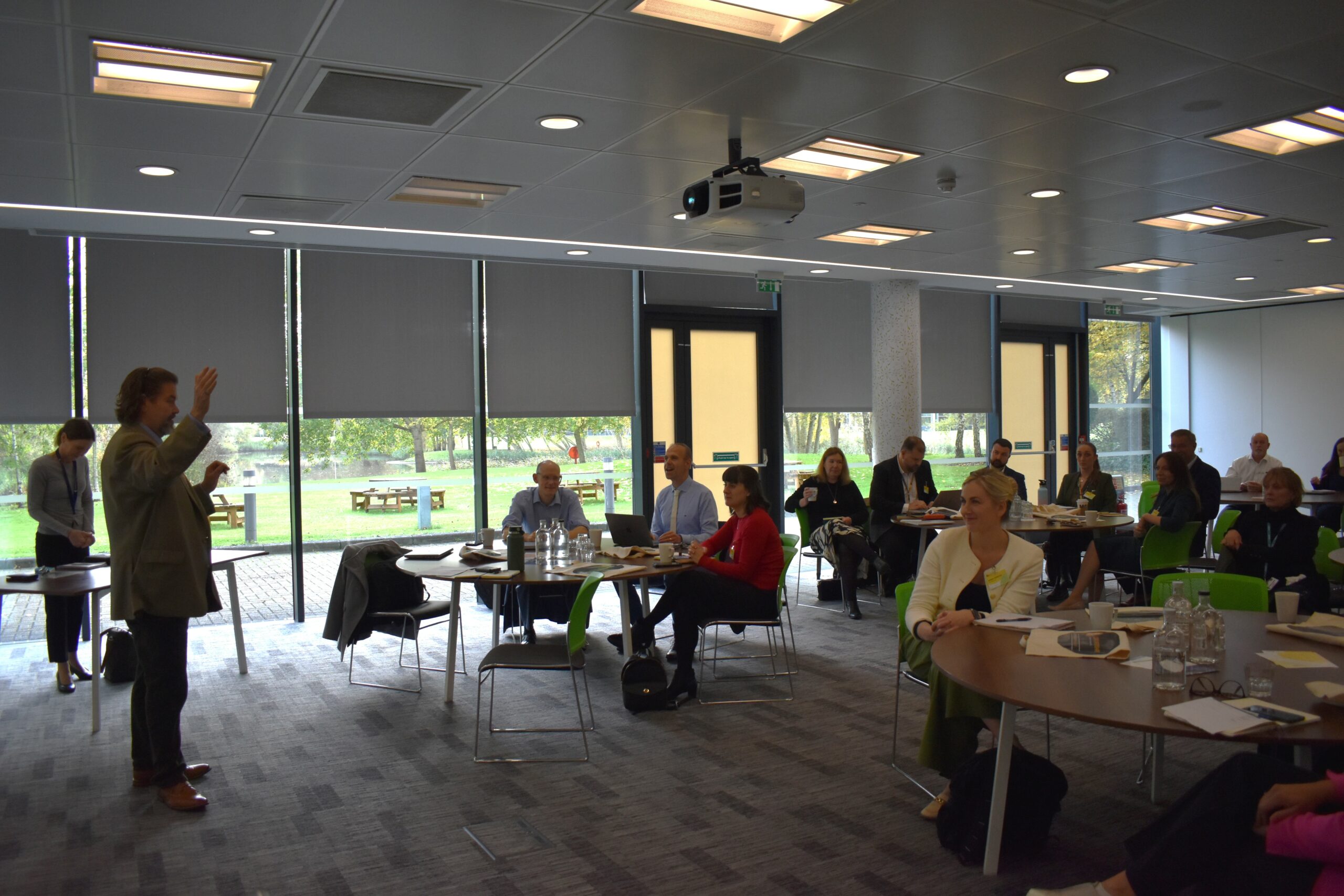
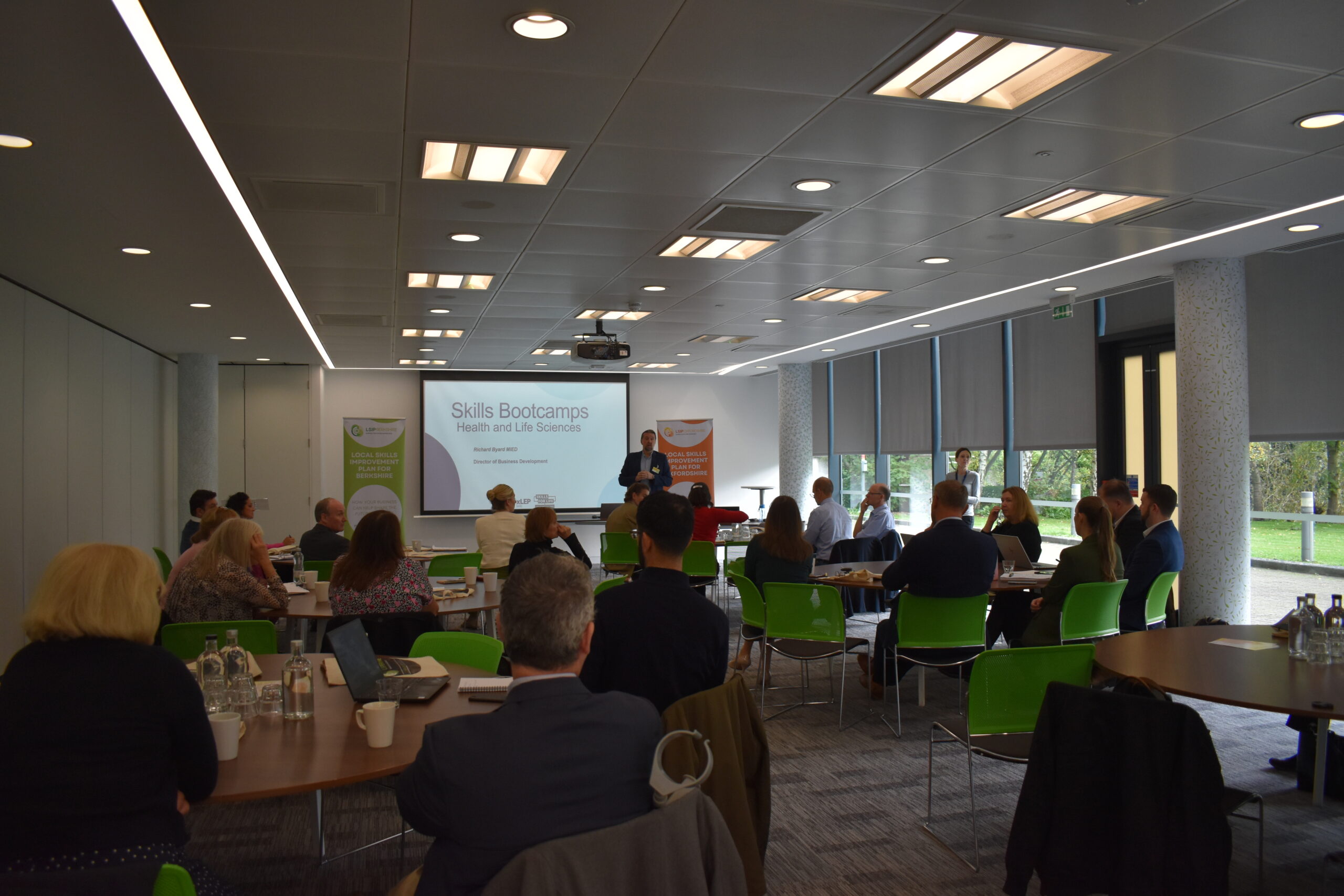
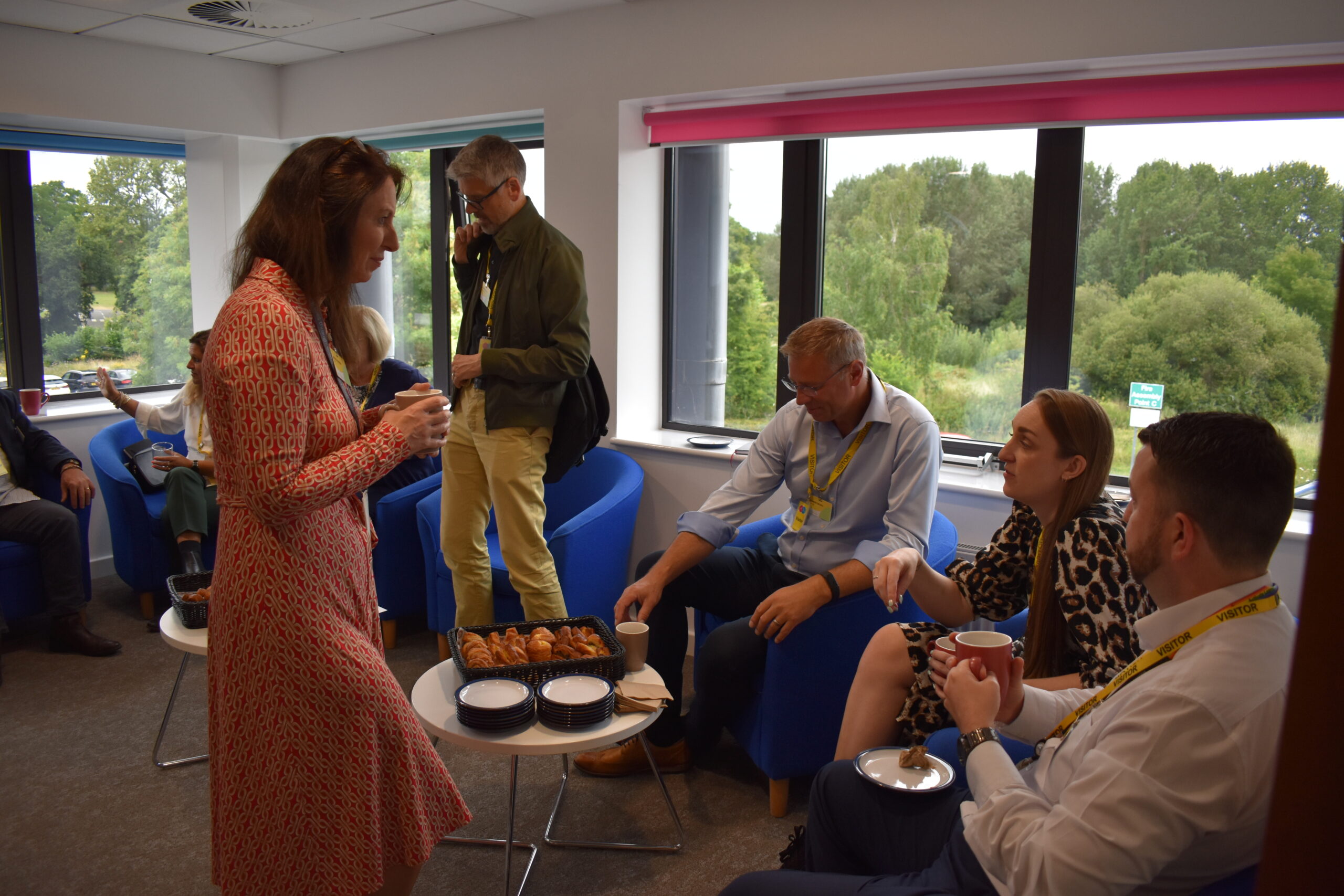
There was a strong presence from employers, training providers and wider partners to progress the skills agenda for the Health and Life Sciences sector in the region. Aligned with the Chamber of Commerce Health and Life Sciences Working Group, members were invited to stay a light lunch and the Working Group session in the afternoon.
An update on the Local Skills Improvement Plan, Skills England, and impact on the training provision in the region from employer and training provider engagements this year were shared with the group. This was followed by a warm welcome and introduction to our new co-Employer Champion Lonza, who alongside Moderna will co-chair future meetings and provide employer direction on the Partnership activity.
Tanya Jenkins provided an overview of Lonza’s involvement in diversity and inclusion initiatives, their relocation to Reading over the next 10 years and evolving nature of the company’s skills requirements. The Workforce Development Partnership’s aims to foster collaboration, share best practice and make commitments to workforce development were reaffirmed.
Activate Learning’s, Paul Emberlin, shared details of their new sustainability courses aimed at various organisational levels, from introductory to leadership programmes. Sustainability and its increasing importance in business strategy has generated a demand in the training provision. An introductory level onboarding course is currently available and leadership programme to be launched in November. Paul Byard, OxLEP provided an update on the skills bootcamps in Oxfordshire and the 2 oversubscribed Health and Life Sciences skills bootcamps on offer. The Berkshire LEP’s Data Analytics generic/hybrid bootcamp has been well received following strong demand from employers in region.
Results from the Skills Survey to understand the longer-term view and potential of Life Sciences in the Thames valley stimulated an engaging discussion.
The greatest skills needs from the cohort included: training and upskilling for the existing workforce, higher level or Degree-level Apprenticeships, full-time programmes for young people to prepare them for Health and Life Sciences work, such as T -Levels, Apprenticeships for Level 3 Science Technicians and Short courses to retrain people to enter the workforce for example skills bootcamps. The current training provision landscape for the sector was also shared with the group with the aim of helping employers to better understand the qualifications and training provision available in the region today.
Attendees discussed whether the current skills needs are being adequately addressed and what changes organisations could make and those that may need to be lobbied for.
A need for more flexibility in the Apprenticeship Levy to help employers maximise and spend their Levy was raised and for further discussions on the Levy Transfer options. Exploration into a single Science Advisory Board was discussed, to create a more unified approach and efficiency gathering industry feedback for curriculum development. Upskilling for teaching staff was also highlighted and the opportunity to expand the reach of the Teacher Trades Programme run by the Berkshire Careers Hub to be explored. There was an underlying theme throughout the meeting on the need for ongoing investment in people development to drive company success and for further discussions on the recruitment pipeline.
Hospitality & Visitor Economy Workforce Development Partnership
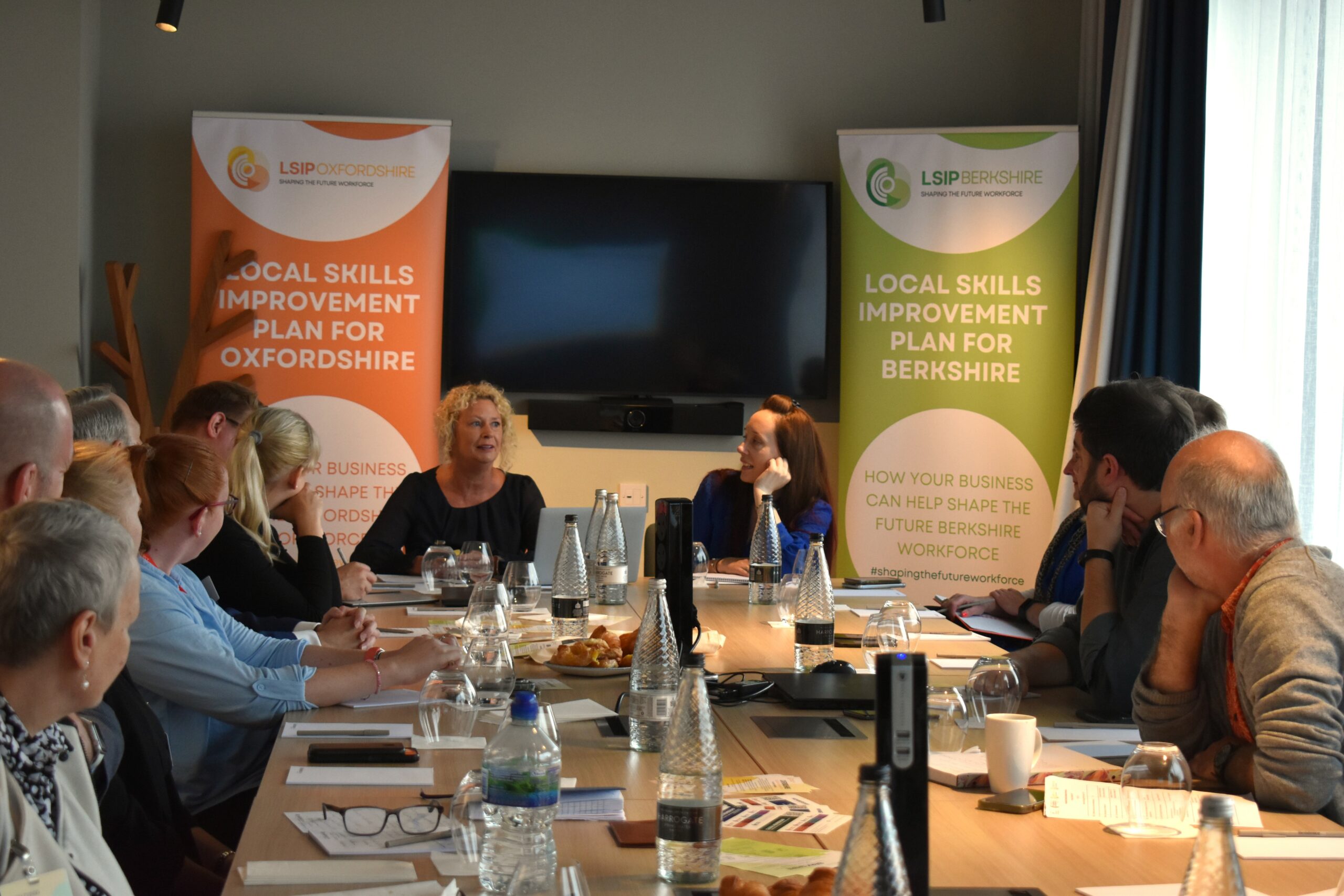
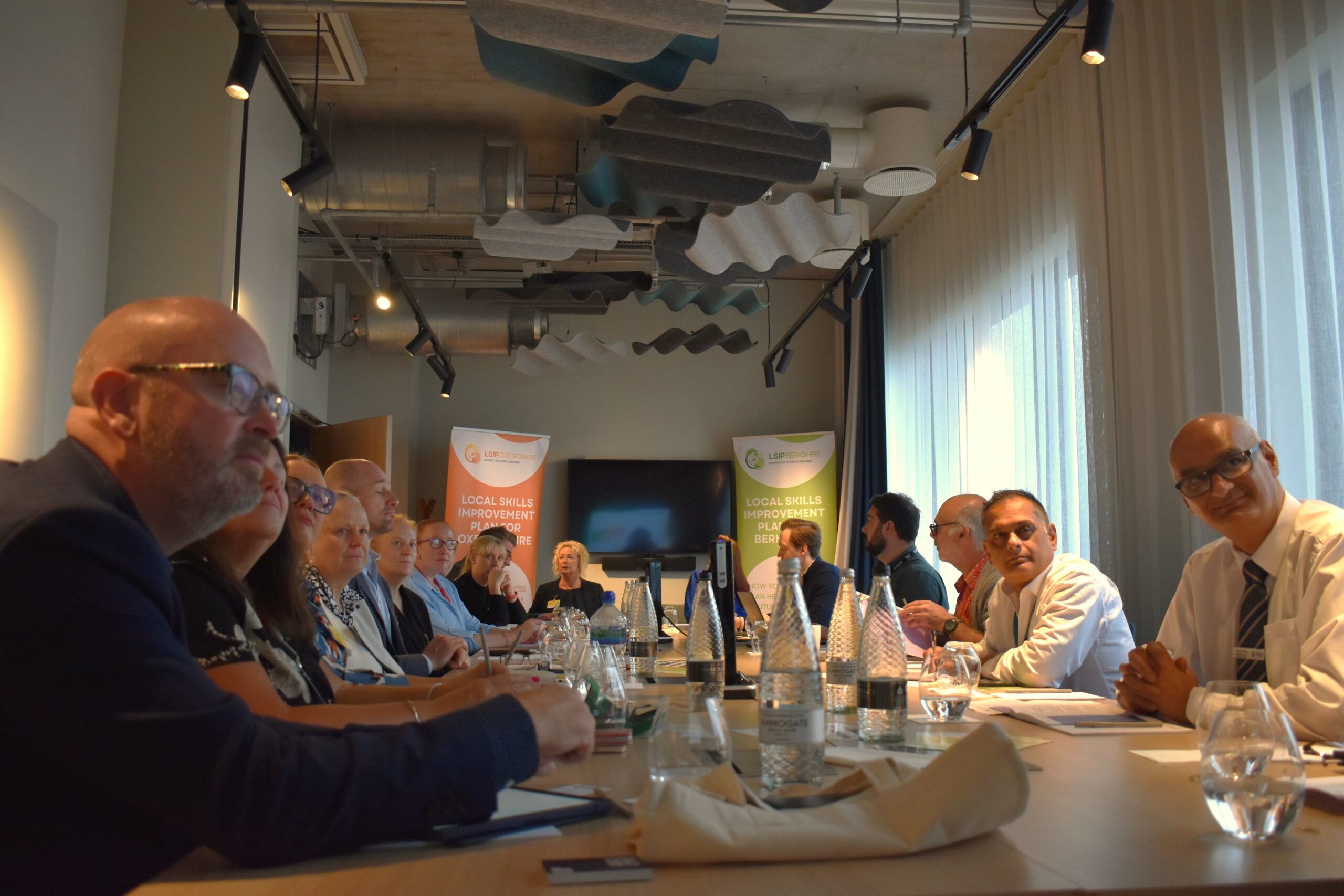
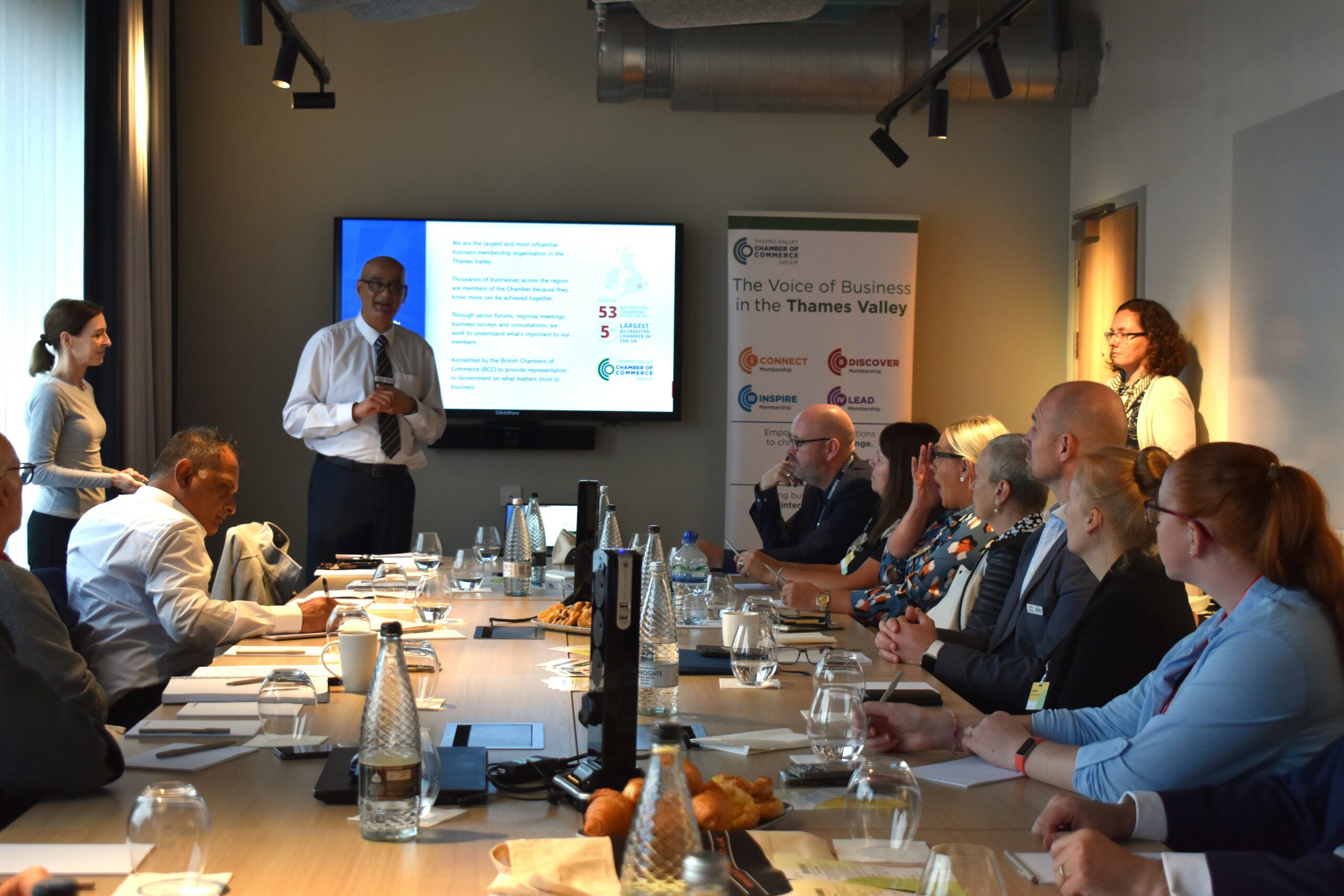
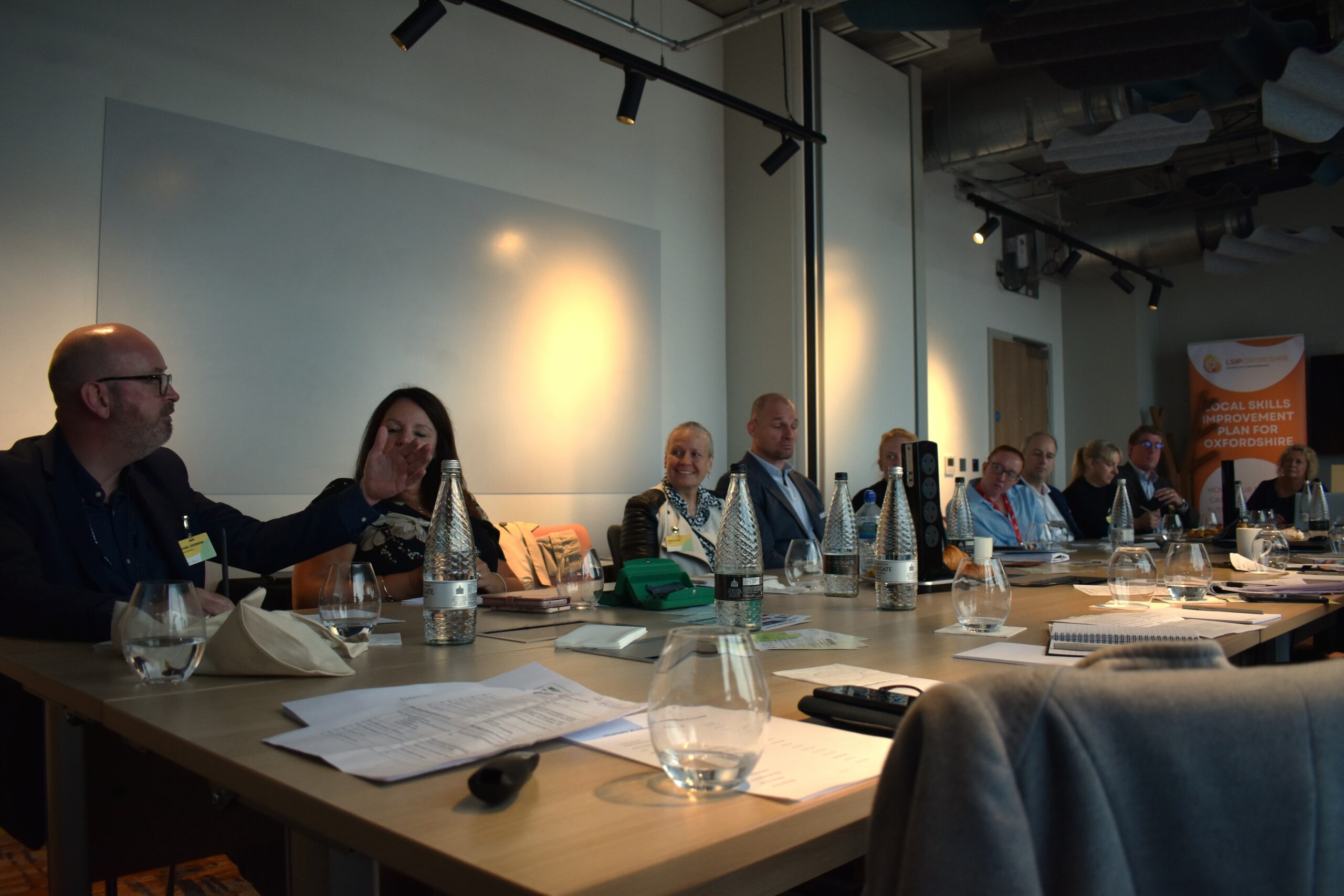
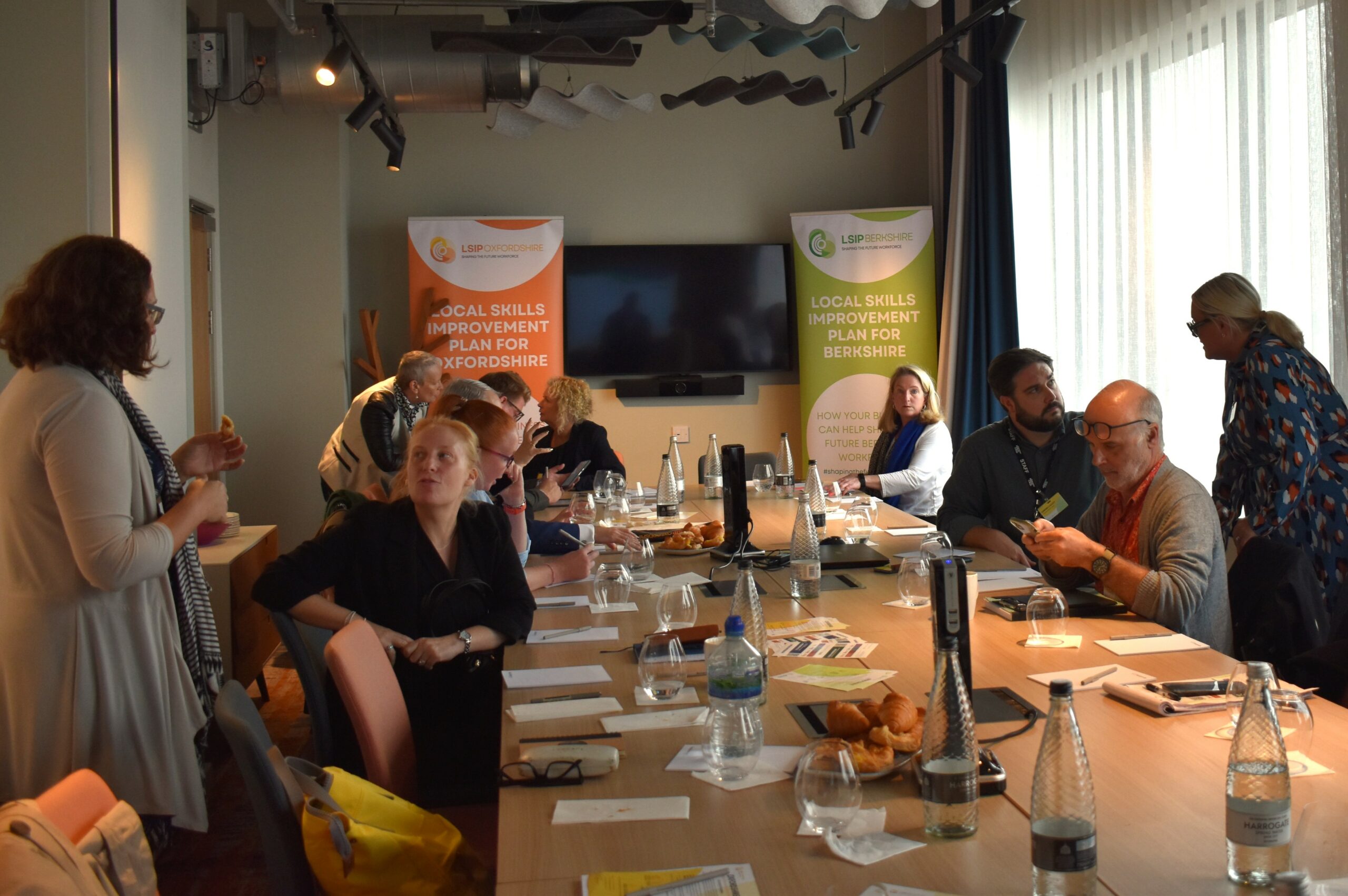
The 3rd meeting of the Hospitality and Visitor Economy Workforce Development Partnership was held at the Moxy Hotel, Slough on September 24th. There was a strong presence from employers, training providers and wider partners to progress the skills agenda for the Hospitality and Visitor Economy sector in Oxfordshire and Berkshire. The meeting commenced with a warm welcome and introduction from Sarah Powell, Le Manoir aux Quat/Saisons and Employer Champion. The purpose of the meeting was to provide a local and national picture of the skills landscape for the industry, share progress on the actions from the previous meeting and facilitate a group discussion on how best to meet employers’ skills and recruitment needs through the LSIP framework. An introduction to the Chamber and the benefits of Chamber membership followed, with an update on the Local Skills Improvement Plans, Skills England, and the positive impact the employer and training provider engagement to-date has had on the training provision in the region were shared with the group.
Melanie Sensicle, MCS provided an overview of the Berkshire Visitor Economy Framework in development, which if successful, would result in Berkshire becoming a Visit England-accredited Tourist Board.
Berkshire are working to become an LVEP (Local Visitor Economy Partnership), essential for joining the wider partnership network and could provide access to potential funding. Key priorities for the visitor economy include sustainability, year-round business, accessibility, delivering a world-class visitor experience, extending the visitor footprint, employment, careers for all and improving data and intelligence. Further collaboration on the Framework is required with completion planned for February.
UKHospitality’s Sandra Kelly, provided an update on the national skills picture and strategy for the Hospitality sector following the significant challenges the industry has faced since Covid-19, Brexit and rising industrial costs. Reference was made to the work of the Hospitality Sector Council and its objectives to professionalise the industry. 22 key objectives, include: improving entry points, qualifications, courses, and apprenticeships. The importance of creating clear routes for individuals to enter and progress through the sector was highlighted, as was the need for a sustainable workforce pipeline. Simplification in qualifications and curriculum was needed, with a focus on Levels 1,2 and 3 in colleges and the updating of apprenticeship standards. A universal entry for an apprenticeship standard was discussed, as was the need for a more integrated approach to training across the regions.
The current training provision landscape for the sector was shared with the group, with the aim of helping employers to better understand the qualifications and training provision available in the region today. Further discussions highlighted the need for a better understanding of skills funding for employers and resolution of the immigration issues currently being addressed through UKHospitality. (Hospitality is the largest sector to employ overseas workers and faces restrictions on visa routes and internships). The importance of aligning with FE colleges to ensure sustainability is included in hospitality courses was raised, as were further efforts to improve work placements, simplify processes and engage with marginalized groups. An update on the regional LSIP activity for the sector was raised and proposed for the next meeting
Edward Collett, Abingdon and Whitney College provided an overview of their collaboration with Yellow Submarine, an Oxfordshire based charity who support adults with learning disabilities and autism develop the skills to work successfully in the Hospitality sector. Details of the programme and how other employers could get involved was shared with the group.

Construction & Built Environment Workforce Development Partnership
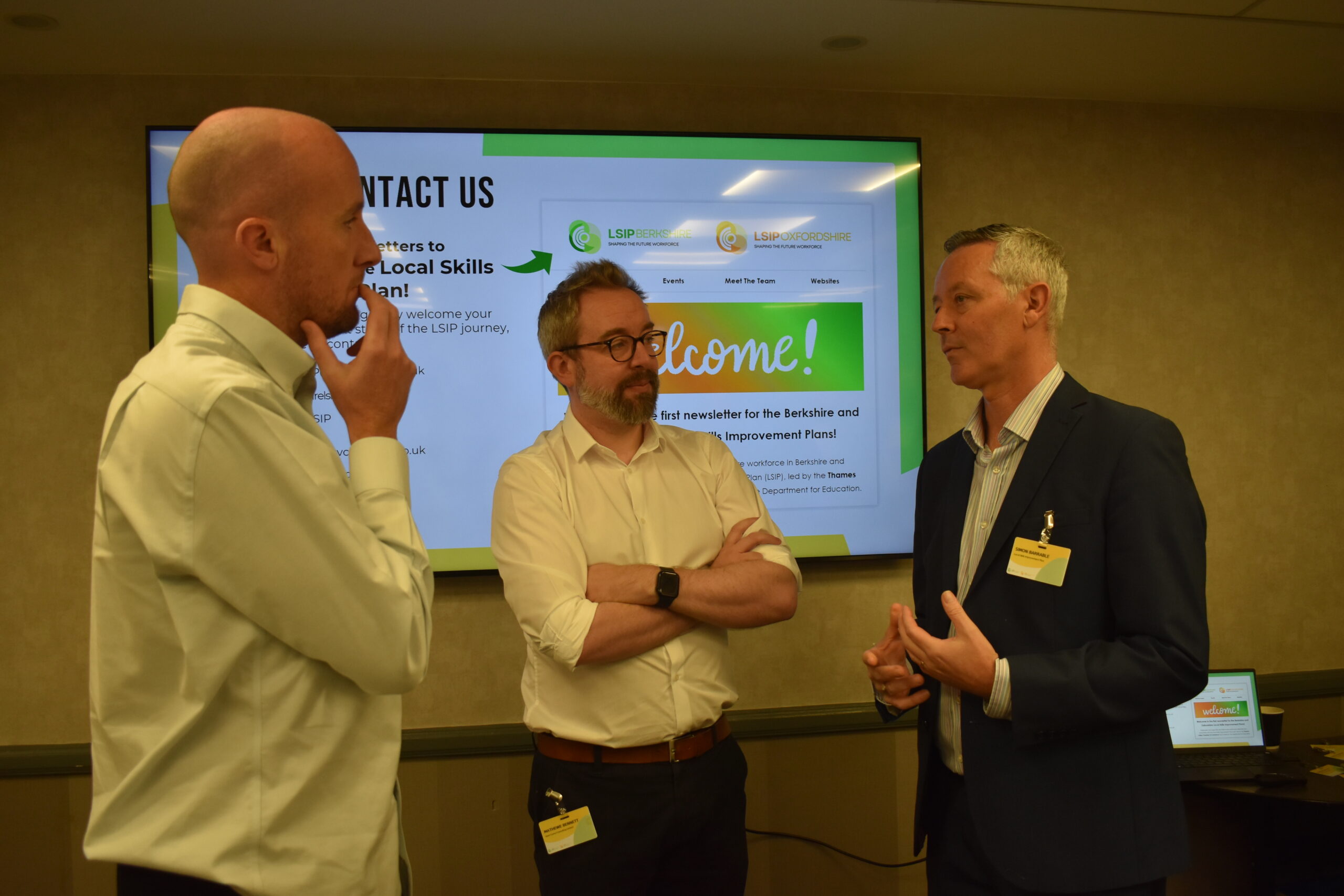
A lively and well-attended third meeting of the Construction Workforce Development Partnership saw employers, training providers, sector bodies and wider partners come together to continue to move the skills agenda for the sector forward. Held on September 12th at the DoubleTree by Hilton, Newbury the membership had presentations from the Local Skills Improvement Plan team; The Thames Valley Chamber of Commerce; Adviza; our Employer Champion from Helix Construction; Mathew Bennet from ‘Rethinking Construction’ and Paul Ducker and John Holland from New Directions College.
Simon Barrable and Tim Major (Thames Valley Chamber Team) gave an update on progress since the April meeting and covered the LSIP Progress Report showing the significant extent of employer and training provider engagement during our first year. As well the impact of the range of Workforce Development Partnerships we now have meeting regularly across a range of priority sectors in the Thames Valley. The Chamber Quarterly Economic Survey was presented and delegates were invited to complete this.
Sarah Clegg (Adviza) outlined their plans for bringing more people from harder-to-reach groups into the sector, with the support of employers and with vocational training from local educators. Good progress is being made on this with several key employers looking to get involved now. This includes Helix and Sisk and Son, with Helix looking to incorporate the programme into their new talent development Foundation.
Our Employer Champion Lawrence Wright, from Helix outlined a range of activities he’s involved with to promote opportunities in the sector to the next generation and gave an overview of the more positive outlook for the sector as we move towards 2025.
Mathew Bennet from ‘Rethinking Construction’ presented a thought-provoking paper challenging the construction industry to think differently about its recruitment problems. He emphasised the need for the industry to be more aspirational and better attuned to the needs and values of the next generation, from trainees to apprentices to graduates. He will be chairing the roundtable event we are running in January to discuss the recruitment issues for the sector in more depth and highlight the breadth of opportunities within it.
Paul Ducker and John Holland presented to the group on the sustainability challenge for the sector and what more can be done to help to meet this and promote what the sector is doing to potential new employees. The group committed to a number of key actions:
- A Roundtable discussion on the skills and recruitment needs of the sector
- Progressing the hard-to-reach groups recruitment project
- Continuing to promote the wider opportunities of the sector, with post-roundtable resources contributing to this
- Keeping employers up to date with the provision available from educators, and training providers up to date with sector training needs
- Looking at career changers as a source of future talent for the sector
Thames Valley Chamber Releases Progress Reports on Local Skills Improvement Plans for Berkshire and Oxfordshire
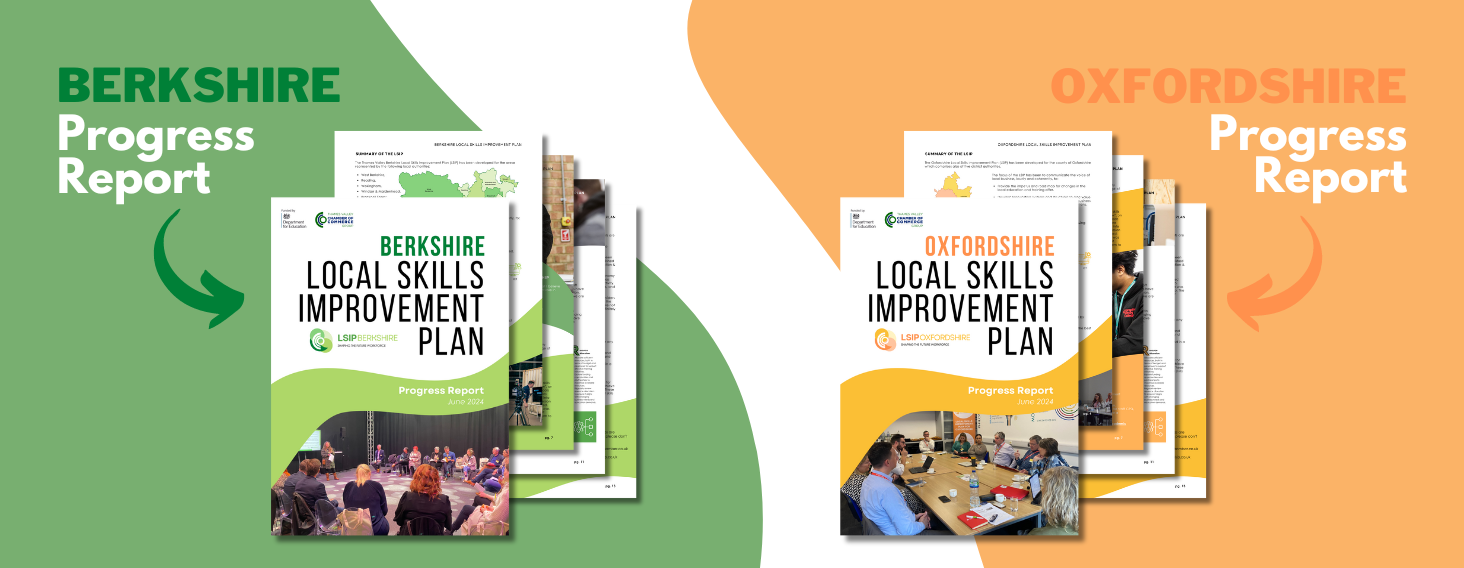
Thames Valley Chamber of Commerce (TVCC) have released the latest update on the Local Skills Improvement Plans (LSIP) for Berkshire and Oxfordshire by publishing Progress Reports.
These Progress Reports showcase achievements and initiatives undertaken since the inception of the LSIP’s, including the utilisation of the Local Skills Improvement Fund, which secured funding to bolster education and training programmes, aligning with local industry demands.
Highlighting the significant strides made in addressing local skills shortages, the Reports outline future priorities for improving the capabilities of the regional workforce.
Developed in collaboration with employers, education providers, and stakeholders, the LSIP has been instrumental in identifying critical skill gaps across key sectors such as Health and Life Sciences, Hospitality and Visitor Economy, Construction and the Built Environment, Haulage and Logistics, Care and Screen Industries.
Paul Britton, CEO, TVCC, said: “The progress we’ve made in just nine months since the launch of the Local Skills Improvement Plans is a testament to the power of collaboration between local businesses, education providers, and community partners.
“These Progress reports highlight not just what has been achieved, but the ongoing commitment to aligning education with the real needs of our economy. We are proud to see tangible changes in training provision and the strengthening of connections between employers and educators, ensuring that the workforces of Berkshire and Oxfordshire are equipped for the future.
“It is clear that the positive impact of working with local companies to provide solutions goes far beyond the initial goals of the LSIP and has led to success stories that we are showcasing as exemplar across the whole of the Accredited Chamber of Commerce network in the UK.”
Stuart Carroll, Chair of the LSIP’s said: “Our commitment to fostering a more connected and responsive skills ecosystem across Berkshire and Oxfordshire is bearing fruit. These progress reports underscore how our collective efforts are driving meaningful change in workforce development.
“By bridging the gap between industry and education, we’re not only addressing current skills shortages but also laying a strong foundation for future growth. The ongoing collaboration between employers and training providers is vital to ensuring that the Thames Valley areas of Berkshire and Oxfordshire remain competitive and prosperous in an ever-evolving job market.”
The Minister for Skills, The Rt Hon Baroness Smith of Malvern said: “I welcome the publication of the Local Skills Improvement Plan Progress Reports for Berkshire and Oxfordshire.
“These reports set out progress made on meeting the skills needs of local employers. As well as being a valuable source of information for local skills deliverers, employers and stakeholders, the reports along with the LSIPs themselves, will provide important intelligence for the newly established Skills England.”
Haulage & Logistics Workforce Development Partnership
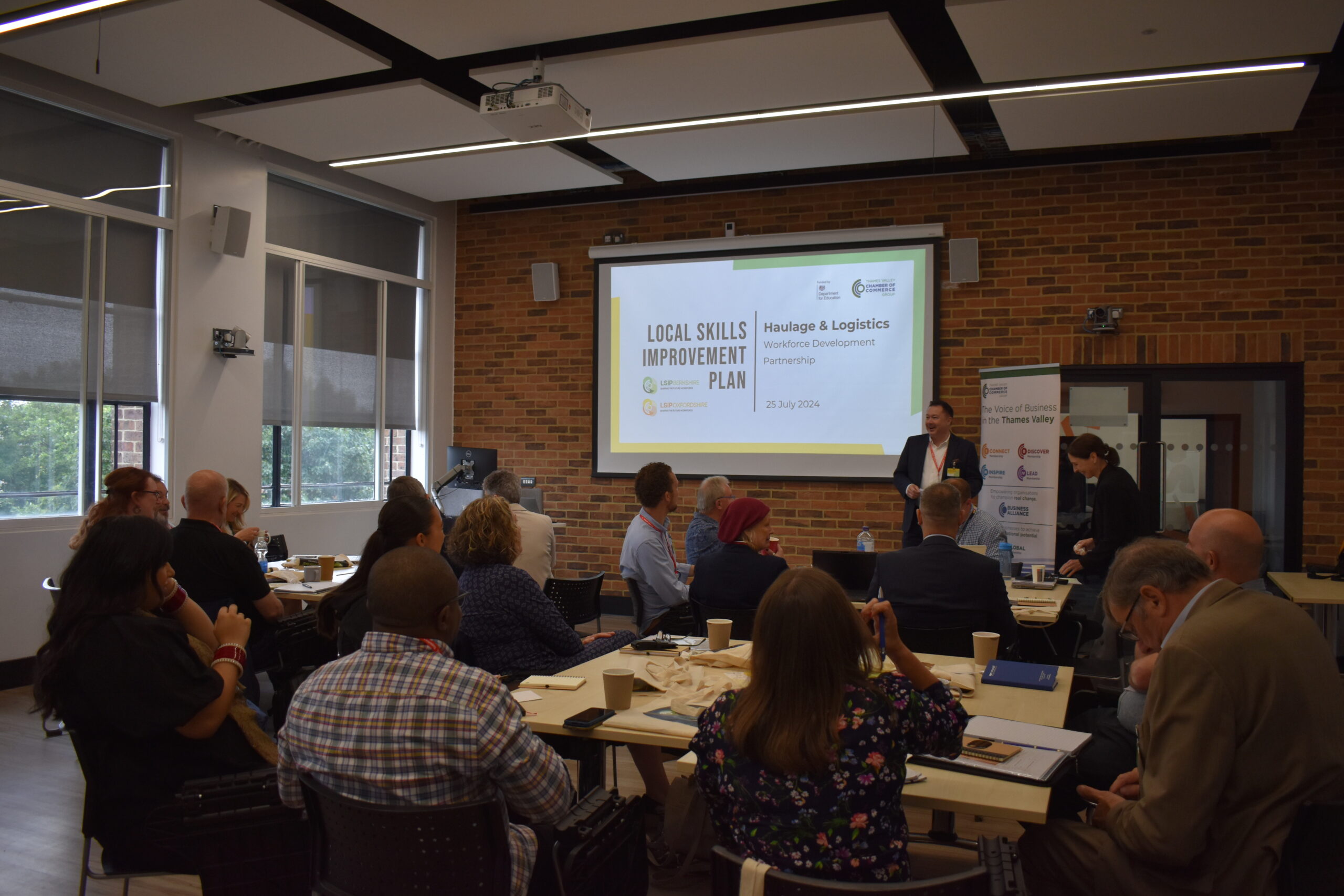
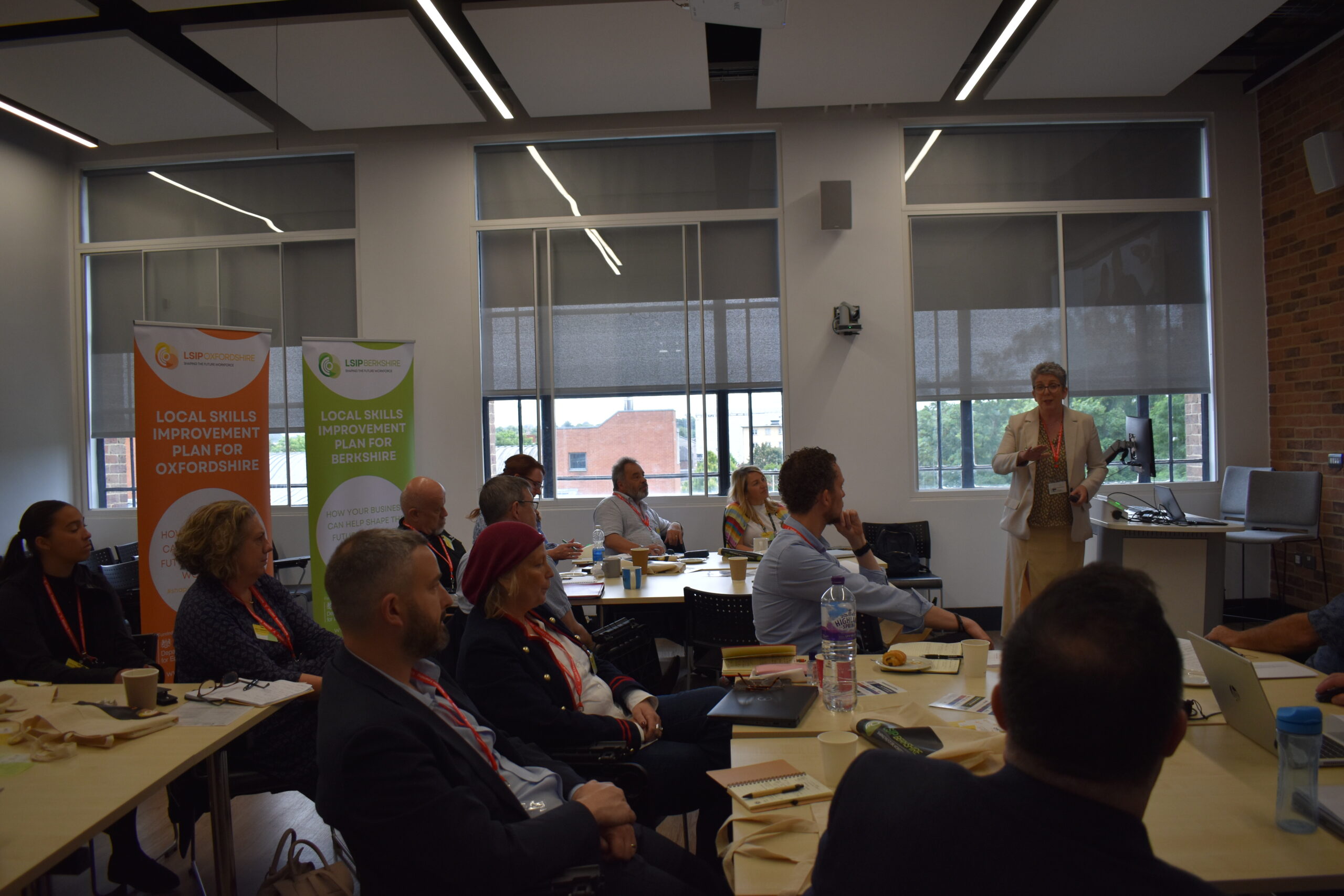
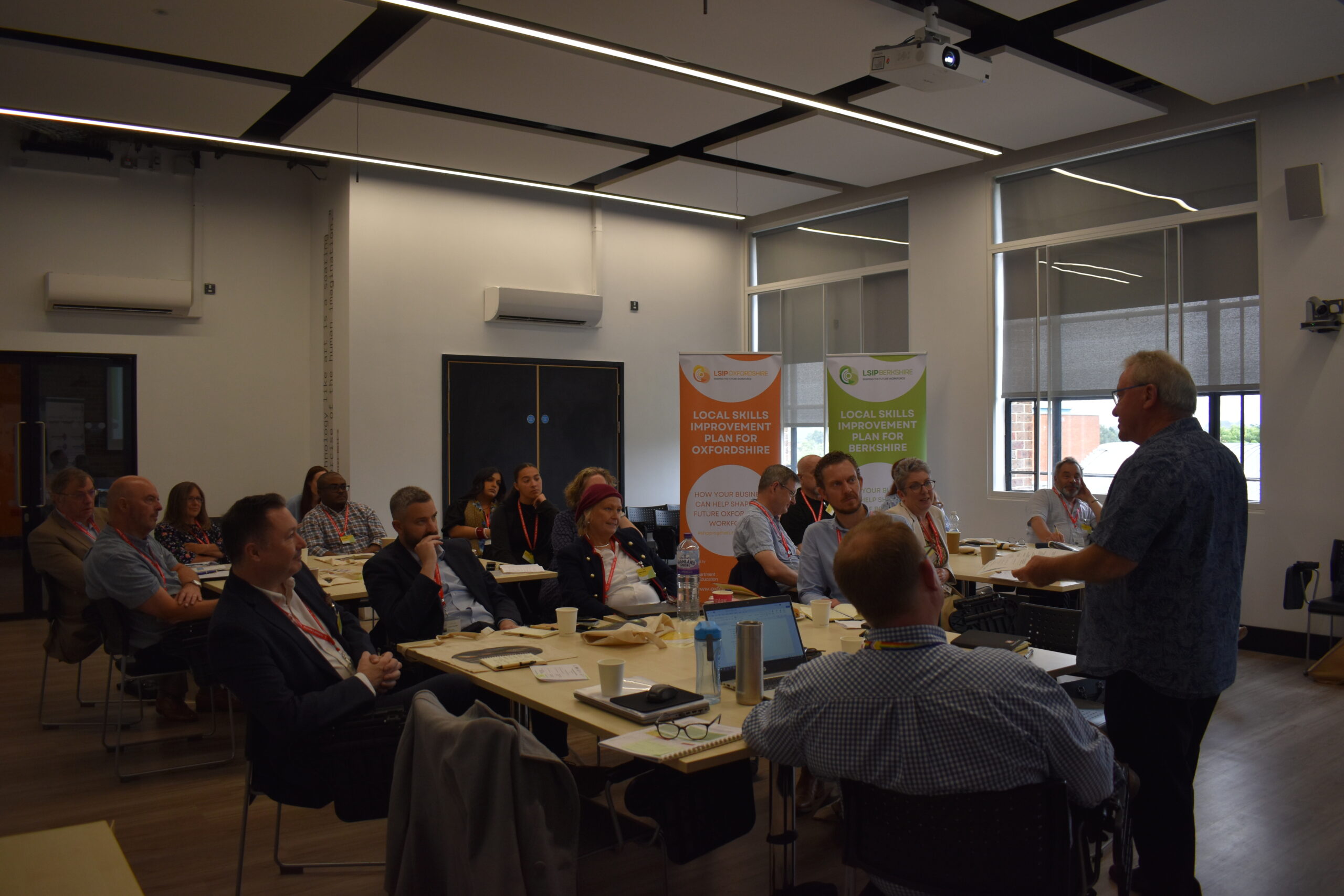
The 2nd meeting of the Haulage and Logistics Workforce Development Partnership saw a strong presence from the training providers and other stakeholders within the region. The focus of the meeting was on identifying employer skills needs in more detail and matching those to programmes being run by the training providers to identify gaps in the provision. Our Employer Champion, Richard Perriman from Scan Global Logistics spoke about the industry landscape and the value employers placed on practical skills and abilities, work ethic and potential for growth within the recruitment process.
The Chartered Institute of Logistics and Transport’s, Chris Markey discussed the importance of logistics to the economy, how this intersects with all industry sectors and the strong emphasis the industry places on professional development, particularly in compliance and the science of logistics with AI and machine learning (increasingly being used to predict product demand and streamline distribution). Activate Learning and Windsor Forest College Groups shared details of their current curriculums with input from OxLEP on their Skills Bootcamps provision.
A group discussion with employers was led by Cat Marin and Ben Jokiel from Activate Learning to understand the specific skills needs and recruitment challenges in the sector, and what this Partnership can do to help meet these. This included, informing and inspiring people to work in the sector, the mapping of industry competencies with new and existing skills provisions, the integration of logistics-specific knowledge into regular courses and development of multi-trade programmes to meet industry needs. The Partnership will continue working with the Chartered Institute and Generation Logistics on promotional activity in local schools and colleges. A New Year event to be held at Reading college will bring teachers, student, and employer voices together to share the skills and recruitment needs of the sector, the training provision, breadth of opportunities and progression pathways in the industry. The date of our next meeting will be scheduled for the Autumn and will be finalised shortly.
Screen Industries Workforce Development Partnership
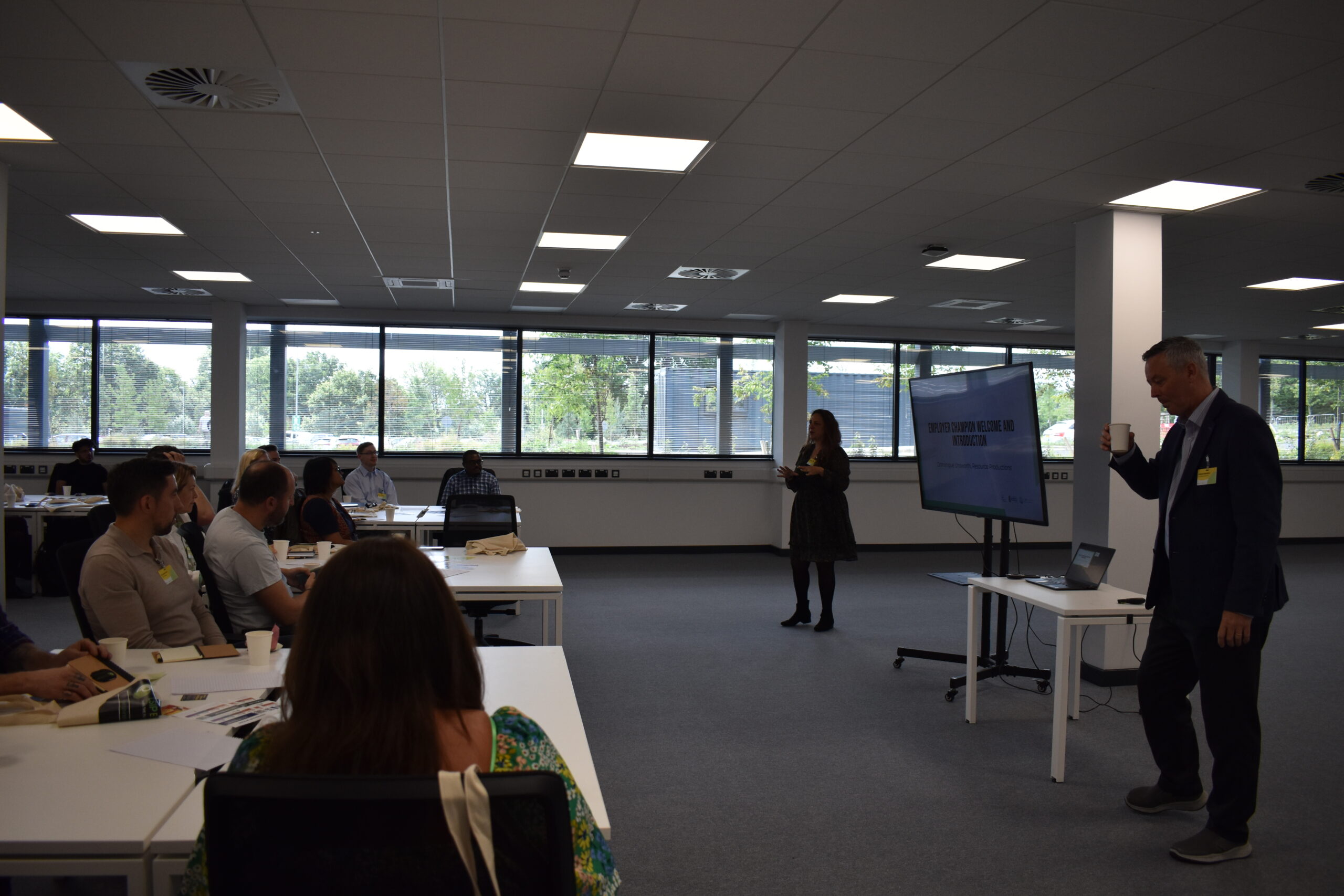
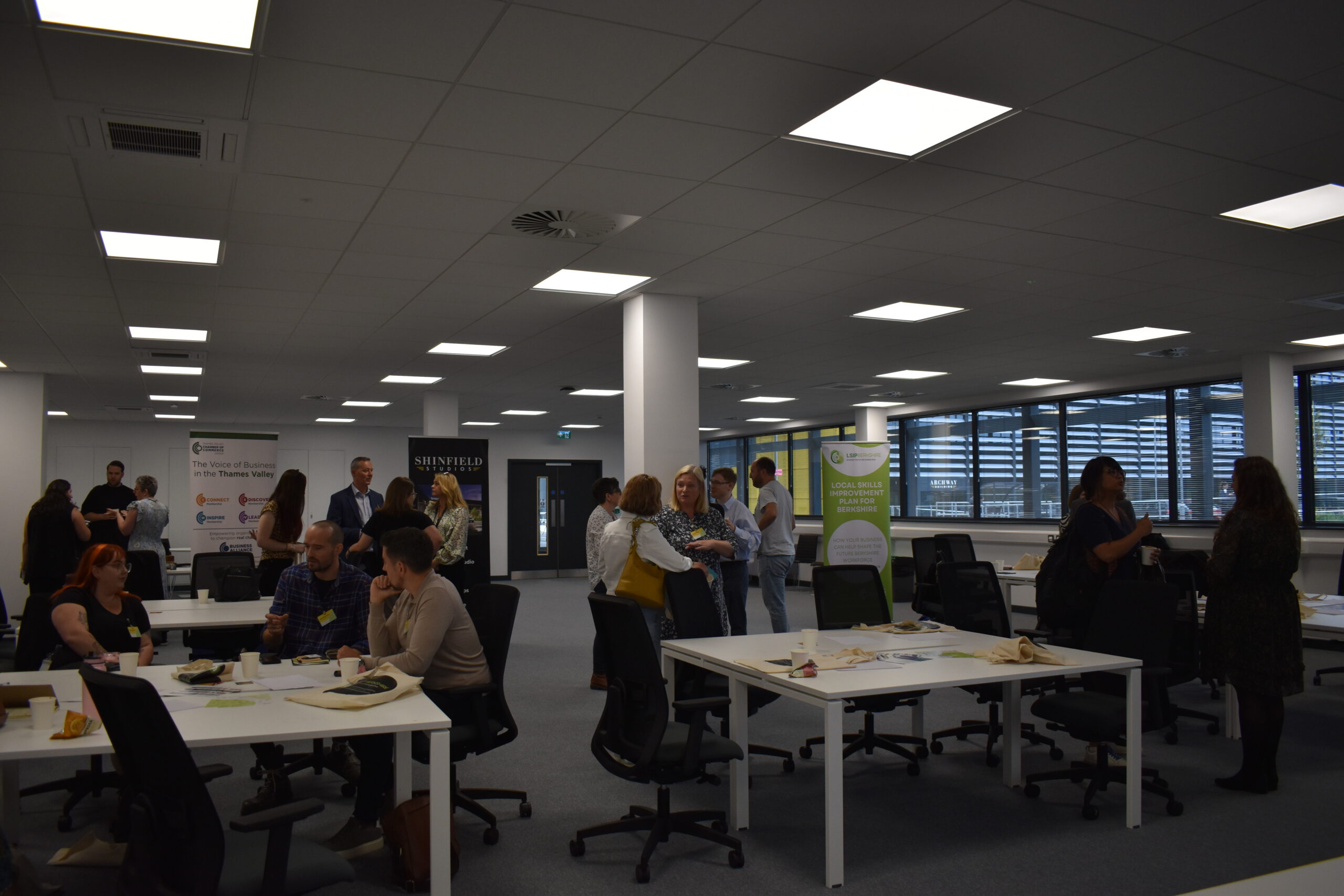
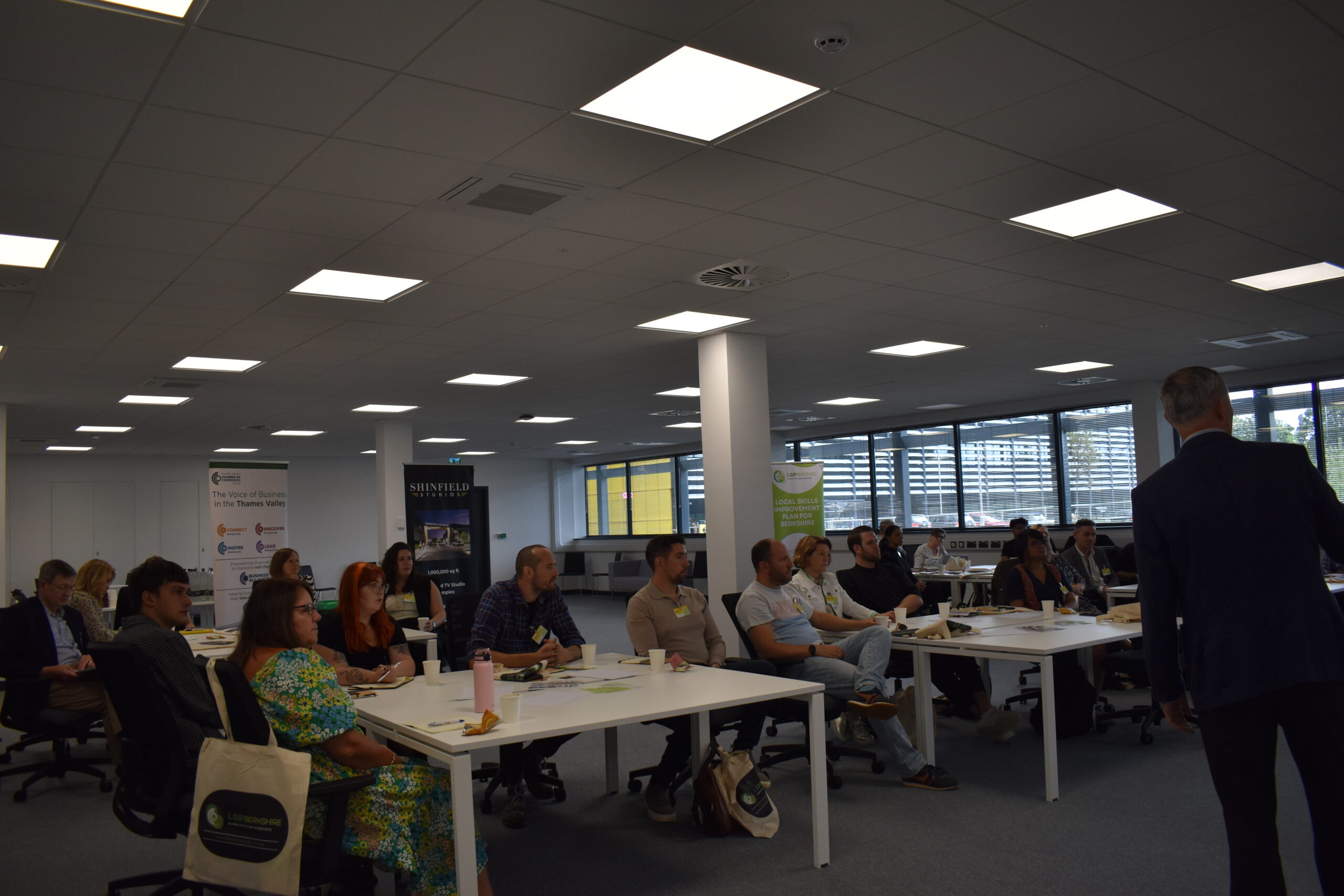
This was the fourth meeting of the Screen Industries Workforce Development Partnership, containing a core of committed employers from across the sector along with a good range of training providers and wider partners. Hosted on July 16th at Shinfield Studios in Reading, the meeting was built around taking the clear set of actions for the group to the next level in terms of impact. Work includes new curriculum development to create courses that meet the up-to-date needs of the sector. This includes new courses in hair and make-up for screen and TV as well as the T level in Media, Production and Broadcast. The partnership includes input from the awarding body VTCT on hair and make-up and from Activate Learning and The Kennet School on the new T Level.
Collaboration with employers is essential for this T Level to work, as it includes 45 days of work experience built into the course. There is the potential to achieve this through a range of employers coming together to offer several days of experience and students moving around them and there is real momentum behind this, with several employers keen to take students into their workplaces. A ‘Train the Trainer’ programme is close to completion by Resource Productions, working with Activate Learning, Windsor Forest Colleges Group, and Reading Economic and Destination Agency. This will allow staff in various settings to better explain the roles and opportunities available in the industry, which are often far broader than people realise. This includes the need for electrical and carpentry skills as well as specialist approaches to human resources management, finances, and leadership & management.
Reading University is researching what skills and knowledge are needed around self-employment and building confidence in this. The research will feed into policy advocacy with the new government. The group is also working on developing apprenticeships that will work for the sector. Windsor Forest Colleges Group will be starting two of these in September – Production Assistant and Content Creator. Employers are being sourced to take on apprentices in these areas, with the group helping employers navigate the complexity of the apprenticeship system and building confidence in taking them on. There will also be action on sustainability goals for the sector and the skills companies need in the workforce to move this forward. This will take the form of a pilot group undertaking a carbon literacy course, being sourced and coordinated by New Directions College.
Care Workforce Development Partnership
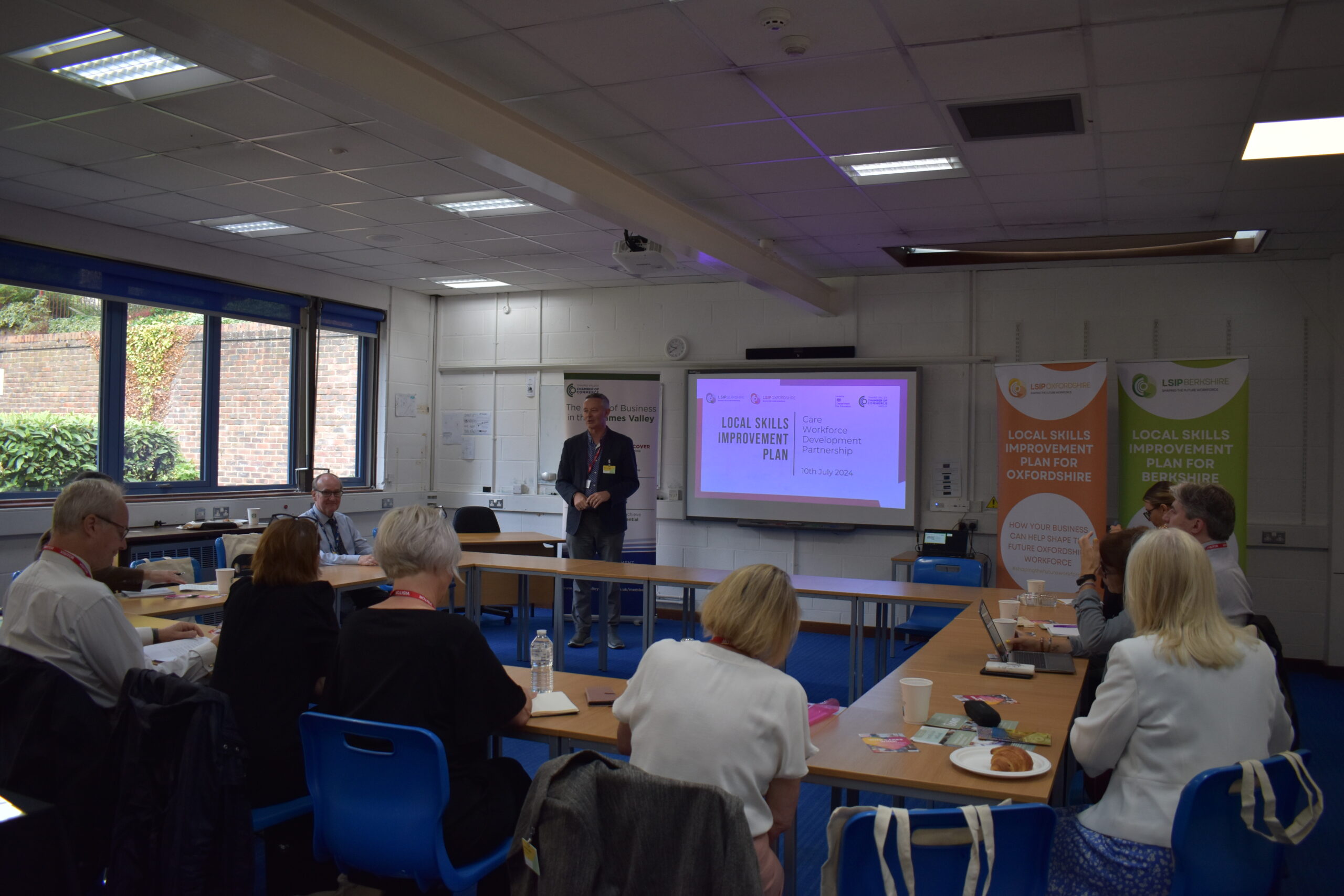
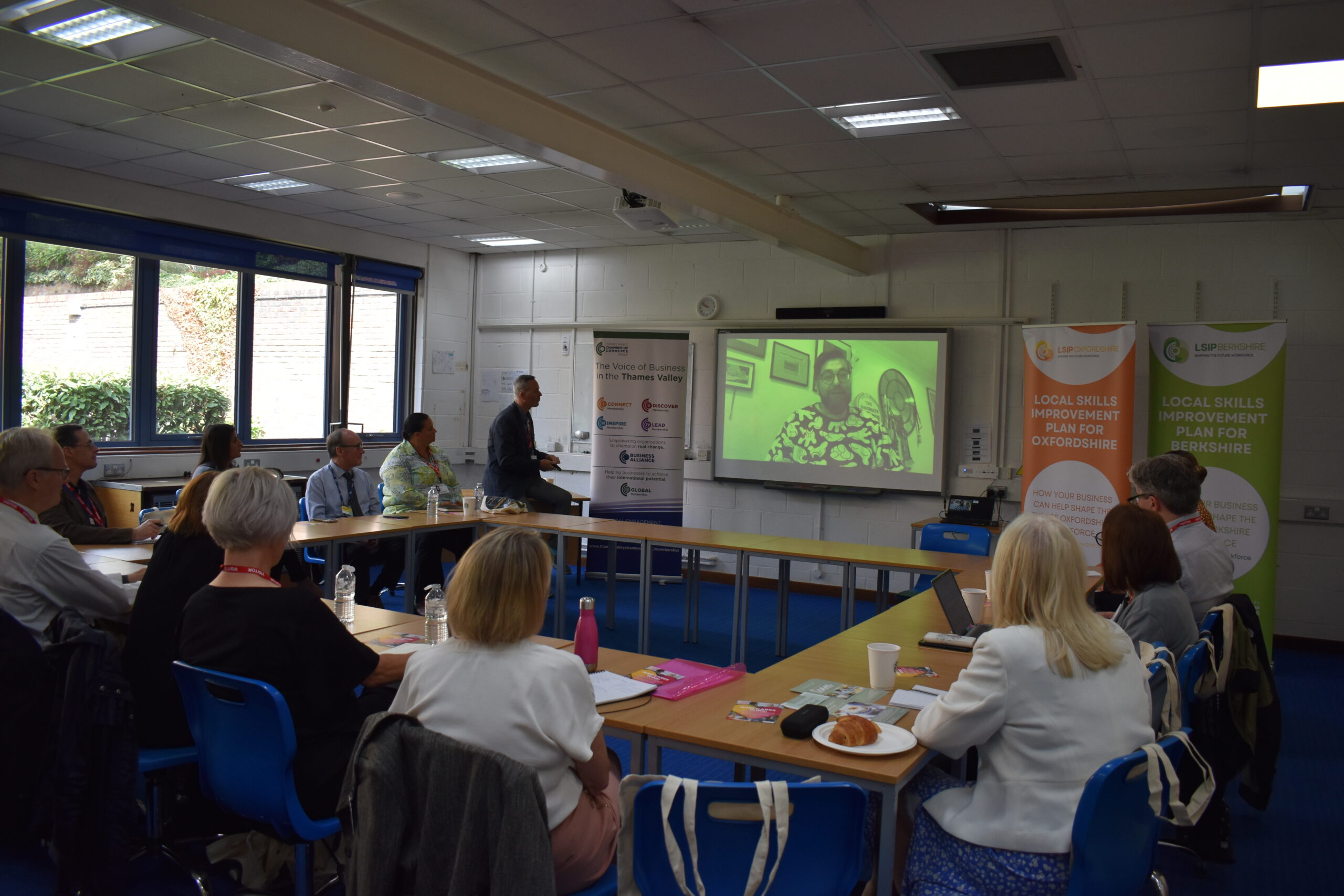
The Care Workforce Development Partnership had its second meeting on July 10th at Henley College. It saw employers, training providers, and wider partners come together to look at the national challenges facing the sector and focus in on local skills needs and solutions. We were fortunate to hear from experts in both the national and local sector needs. Sanjay Dhrona, our Employer Champion and Managing Director of The Close Care Home in Oxfordshire started the meeting with a video message on the importance of the work we are doing within the Local Skills Improvement Plan. Rachel Reid from the sector body Skills for Care joined us to take us through the national picture, the sector reforms being worked on by the government, and the workforce picture locally.
Discussions took place on building further links between colleges and care settings. Several students visited care homes during ‘Care Home Week’, with help from the partnership to coordinate this. There was real enthusiasm for building on this and getting more students into settings more often. Eamonn Egan, Deputy Principal at Henley College took us through an overview of the data on student entrants to the care profession. This revealed a growing number of students studying care-related courses, but also a preponderance of adult learners entering the sector. There is more work to be done to encourage 16 – 18-year-olds to go into care careers, rather than jobs in other health care settings.
With this in mind, there was a chance to promote the Hallmark Foundations National Care Careers conference taking place this Autumn. Several Thames Valley colleges have now signed students up for this and details have been sent to the Careers Hubs for promotion in schools. We finished with a brief discussion on other skills needs the sector has and what kinds of qualifications and experiences would help students gain these skills. Mental Health First Aid was one example given and the group committed to sharing more of these needs and how they might be met going forward, a key aim of the local skills improvement plan. The next meeting will take place in the Autumn and will hopefully be held at The Dormy Care Home in Sunningdale, with student ambassadors present.
Health & Life Sciences Workforce Development Partnership
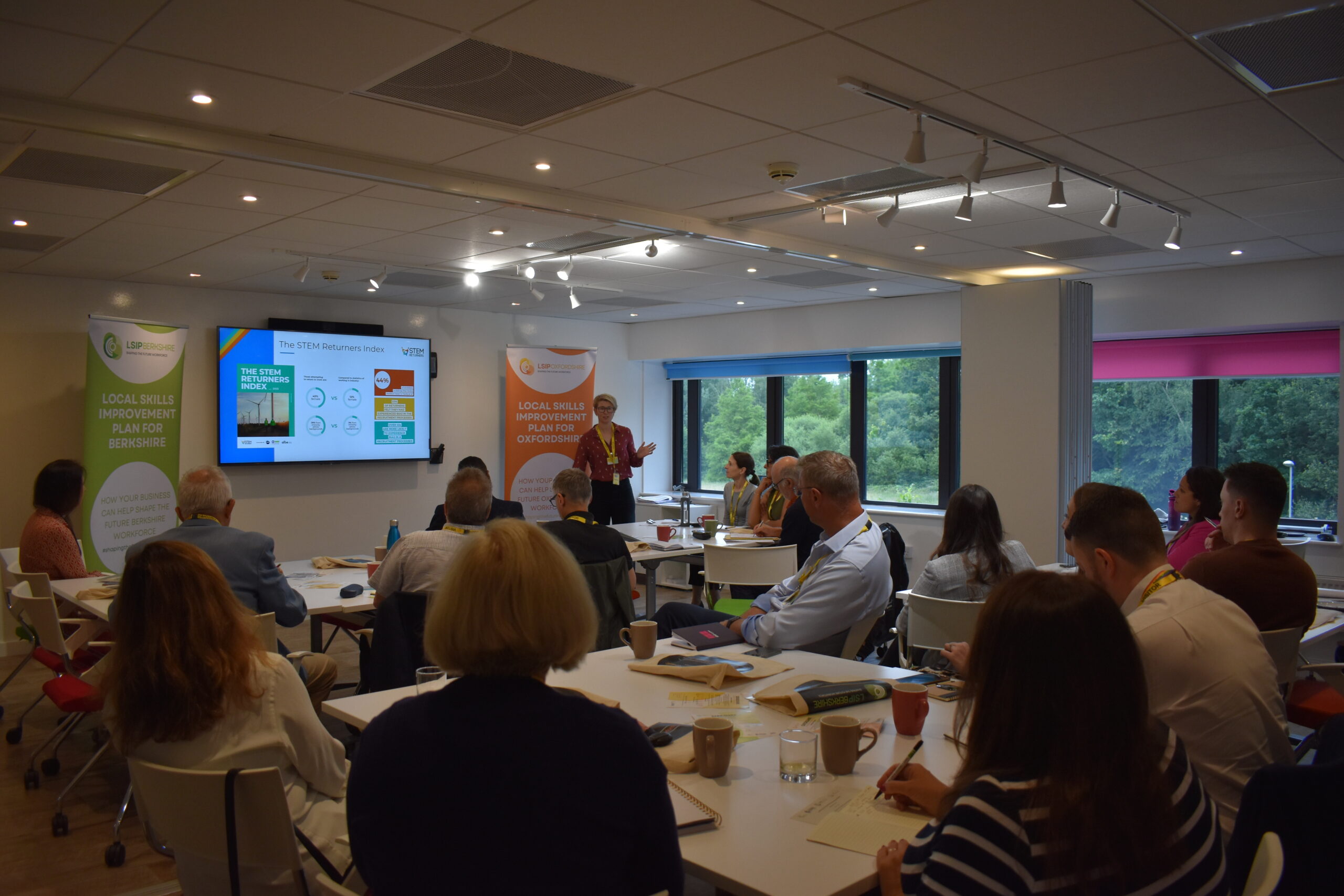
The 2nd meeting of the Health and Life Sciences WDP commenced on July 3rd and opened with a warm welcome and gratitude to RSSL for hosting, followed by a review of the agenda and actions from the previous meeting. An update on the Local Skills Improvement Plan (LSIP) outlined efforts to develop employer-led solutions for skills and recruitment through Workforce Development Partnerships, fostering collaboration between businesses and education providers. Employers were encouraged to complete the newly launched Employer Survey to assess long-term skills needs in the Thames Valley Life Sciences sector.
Discussions included the STEM Returners Programme, which offers a 12-week paid placement to support professionals returning to work, with 96% securing long-term employment. Concerns were raised regarding employer commitments in the Berkshire Life Science Skills Bootcamps. The flexibility of the Oxfordshire Bootcamps was highlighted, alongside growing interest in data analytics and green skills training. Employers emphasised the need for training at Level 4 and above, while apprenticeships were recognised as a viable option for all age groups.
New education and training developments included the refurbishment of laboratories at Guildford and Oxford campuses, T-level placement requirements, and upskilling opportunities for teaching staff through business-led training sessions. Employers were invited to collaborate on placement models and engage with Business Engagement Specialists.
Key skills gaps and training needs were identified, including sustainability in construction, data analytics, AI workshops, and embedding green skills into further education. Lonza, Mastek, RSSL, and Activate Learning provided insights on industry challenges and opportunities, with a focus on practical solutions.
The meeting concluded with a set of agreed actions, including the appointment of additional Employer Champions, completion and promotion of the Employer Survey, development of upskilling opportunities for educators, expansion of STEM returner programmes, increased workforce training through bootcamps, and a greater focus on sustainability within education and business.