skip to Main Content

Empowering you to take action on sustainability

In a world where sustainability is an ever-growing priority, it can feel overwhelming for a small business to know how to get started or where to go for information. But embracing sustainability could be an opportunity – helping your business become more resilient. And with the right support, you could make more of an impact than you might think.

That’s where Activate Learning comes in. As a leading provider of sustainability programmes specifically for SMEs, we can help you on your journey.

Net Zero Skills Hub

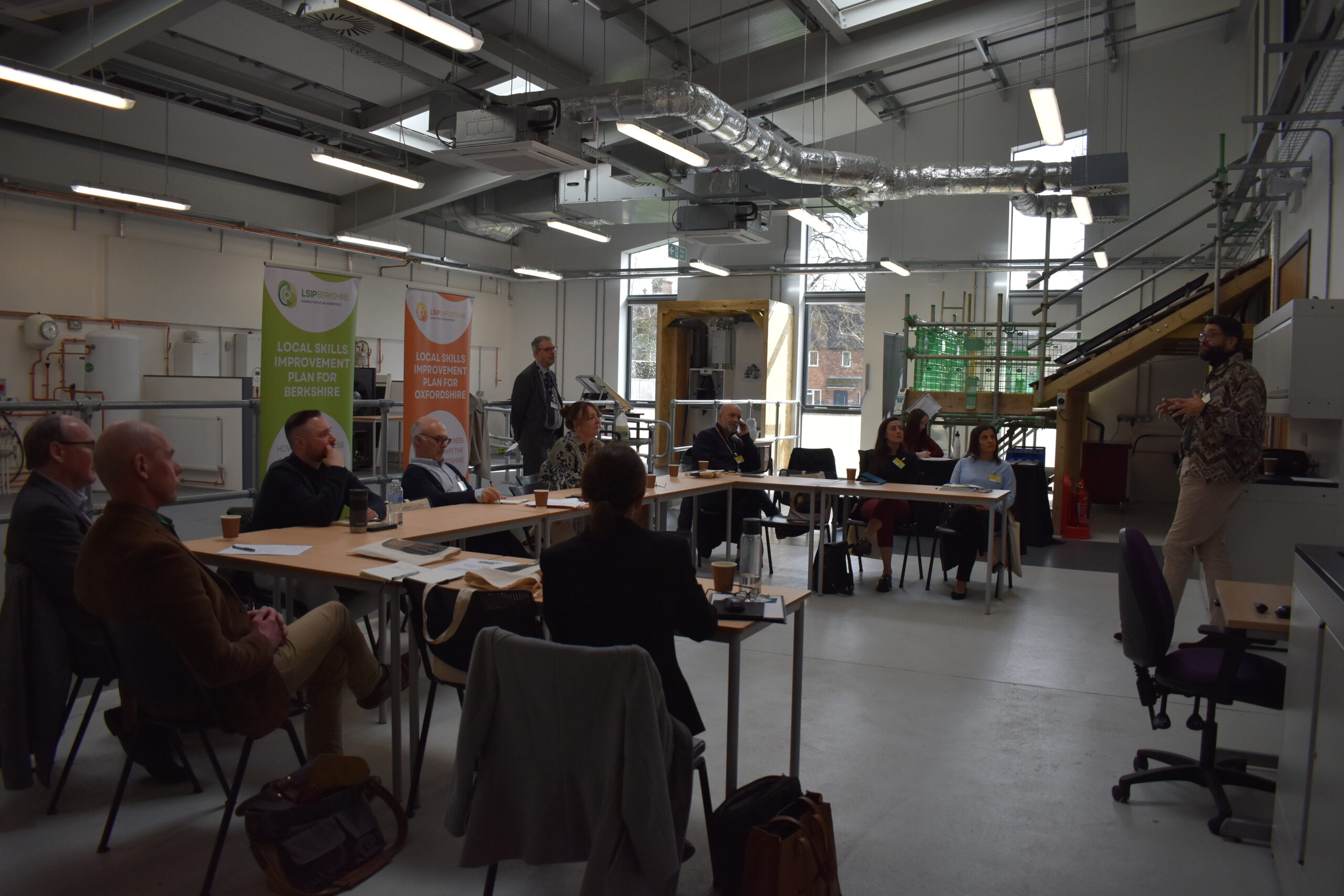
Explore renewable technologies at Abingdon and Whitney colleges net zero skills hub! They offer a range of courses that cover topics such as renewable energy systems, energy efficiency, and carbon management. Their instructors are experts in their fields, and provide hands-on training and practical experience to ensure that our students are fully equipped to succeed in this growing industry.

Care Workforce Development Partnership

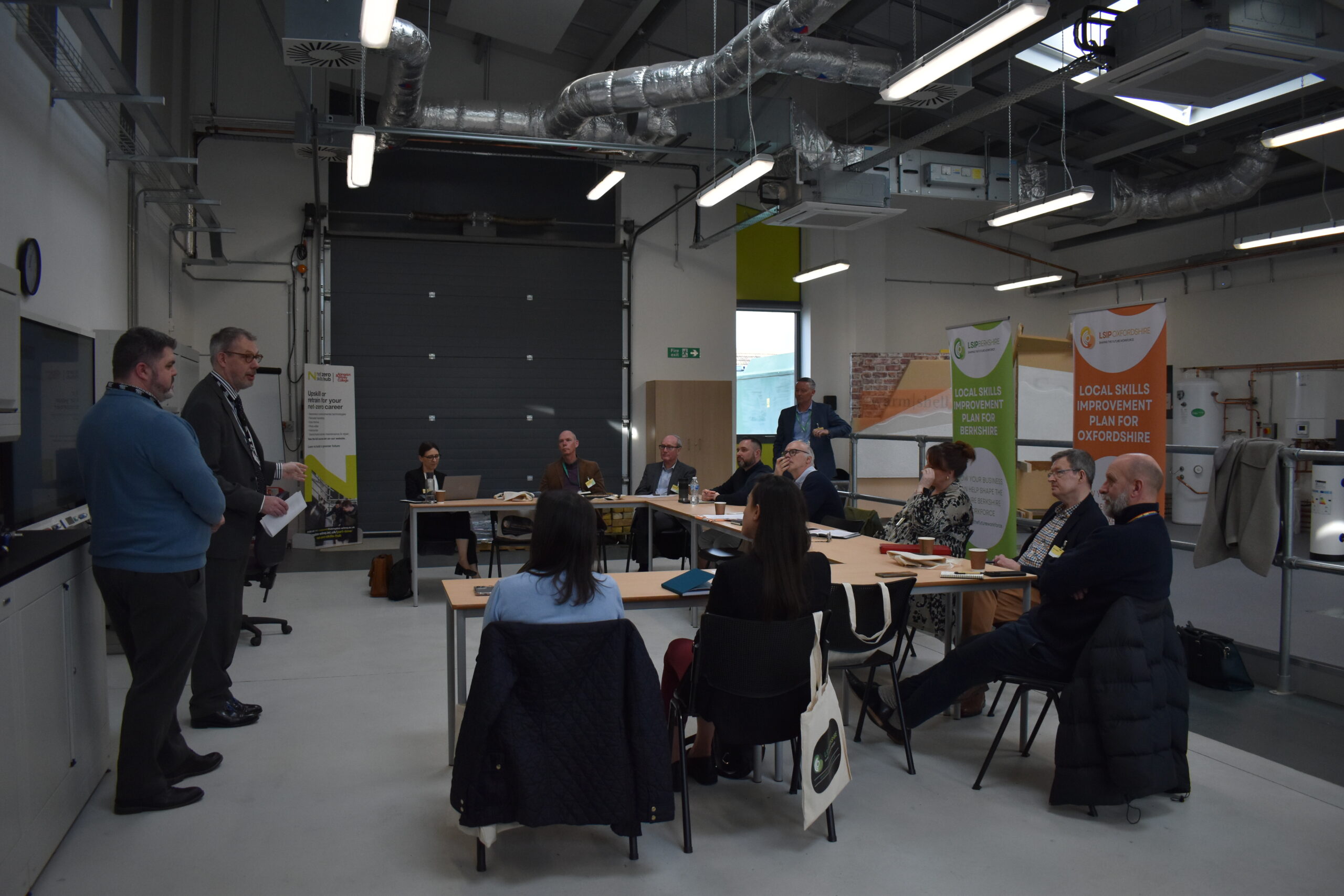
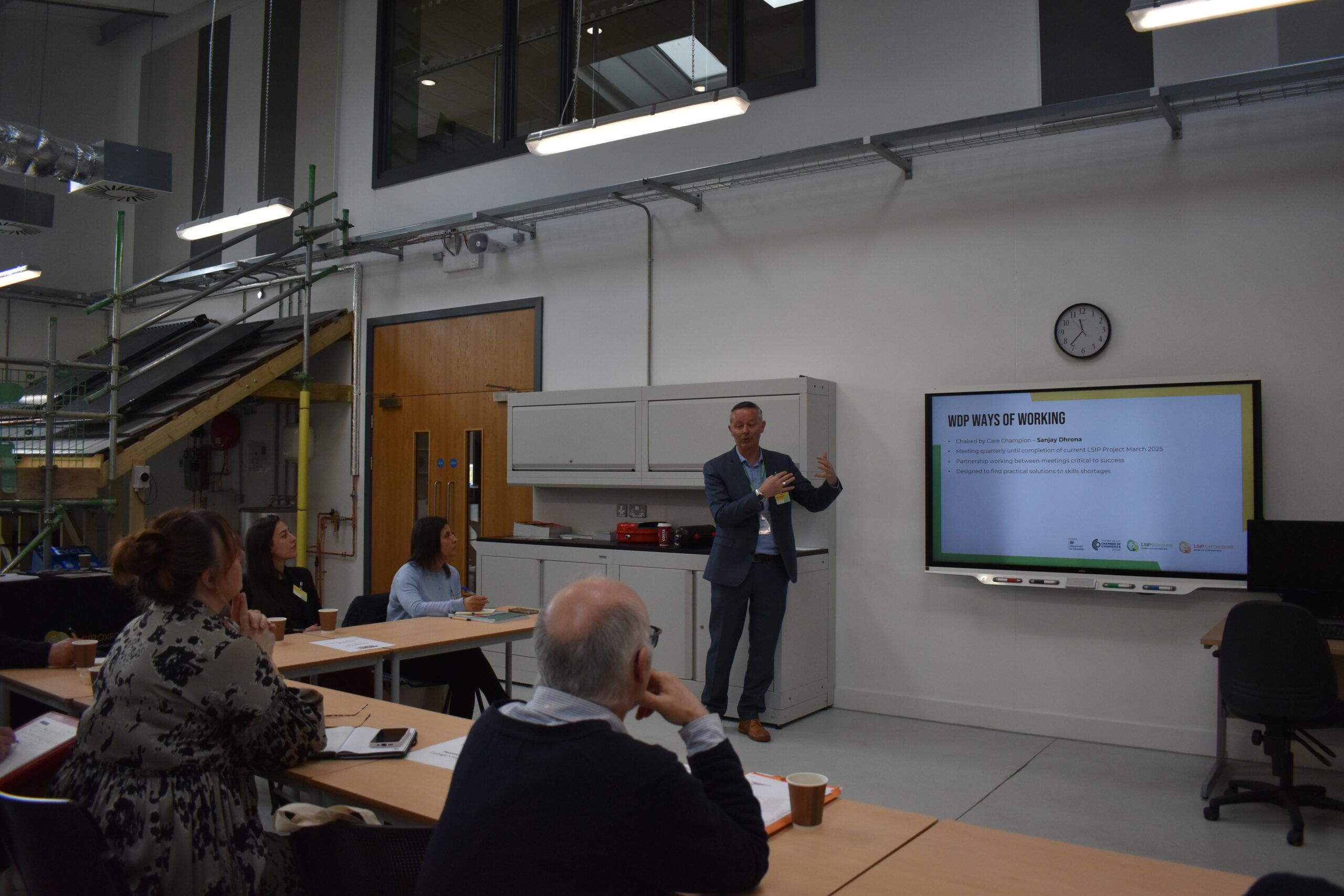
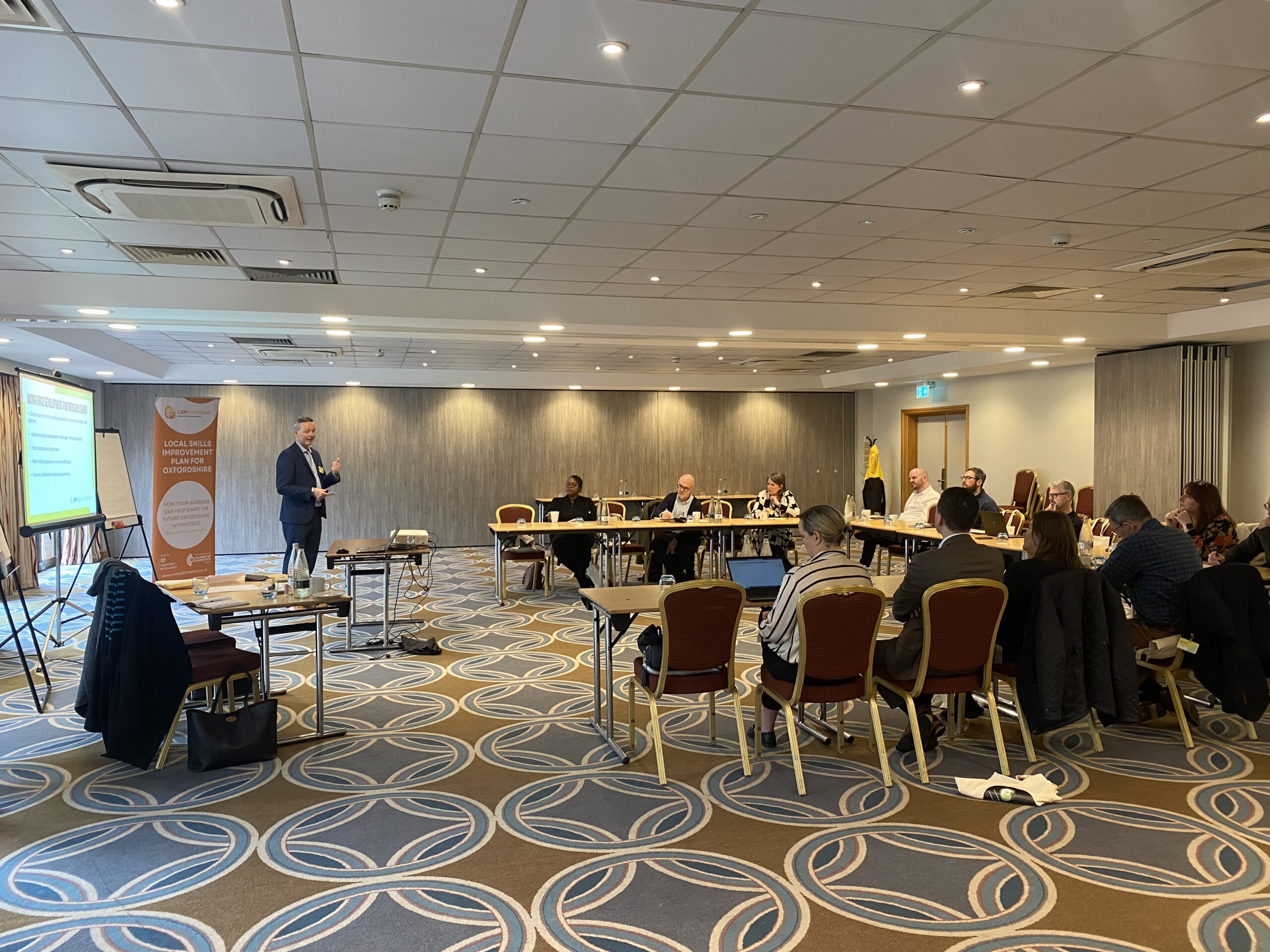
Employers, training providers and wider partners met for the first Workforce Development Partnership of the Care sector across Berkshire and Oxfordshire. Held on March 20th at Abingdon and Witney College, discussions covered the aims of the Local Skills Improvement Plan for the sector, its skills needs and how these might be better met. We were fortunate to hear from experts in both the national and local skills needs of the sector. Rachel Reid from the sector body Skills for Care joined us by video to take us through the national picture and the qualification reforms being worked on by the government currently.

Sanjay Dhrona, Managing Director of The Close Care Home in Oxfordshire led a discussion on local skills needs. We also had input from senior managers at Abingdon and Witney on their current curriculum offer and the extensive changes to the national curriculum being brought through by current government reforms. Skills needs for the sector discussed included the wide range of ‘soft’ and ‘people’ skills required, including problem-solving, teamwork, time management and dealing with difficult situations. With higher numbers of foreign workers now forming part of the local workforce, there was also a need for training on the nuances of the English language, both written and spoken.

Care workers increasingly need higher level clinical skills than perhaps they once did, as people live longer and conditions they are living with become more complex. Actions decided upon by the group included: Promotion and focus on Care Home Week across local colleges; exploring the data – where have those in the sector come from and where do students go on to when they complete courses; collaboration between Providers/Care homes to host gatherings for those that are unable to physically attend the National Careers Care event (19th Nov 2024); the creation of a directory of roles/progression within the sector.

Chambers Lead Successful Start to Local Skills Plans

Local Skills Improvement Plans (LSIPs) across England “are working and beginning to make positive differences for local employers”, according to a new report commissioned by the British Chambers of Commerce (BCC).

Based on evidence from 21 of the 32 Chamber led LSIPs, the evaluation report concludes that the process is changing attitudes and encouraging more employers to collaborate and engage positively with the skills system.

As part of its budget submission, the BCC is calling on the Government to commit to fund business led LSIPs beyond the current 2025 cut off point, to at least 2028.   The study highlights the “huge potential of LSIPs to build on the employer led system, improve strategic planning, maximise the impact of skills funding and boost employer investment.”

Using research conducted in Autumn 2023, the report analyses the approaches taken by 21 Chamber led LSIPs and identifies their impact so far. Data gathered as part of the research show that, as of May 2023, 65,765 employers had been engaged.

The research identifies a number of challenges for businesses, including “bureaucratic complexities” and “limited employer influence over skills spending priorities”. The report says overcoming the barriers requires “active engagement, open communication, and the advocacy of Chambers to smooth over the bumps in the LSIPs process”.  The report argues that the LSIP approach will lead to a more cohesive skills system. 

Paul Britton, CEO, Thames Valley Chamber of Commerce (TVCC) said: “Chambers and their Local Skills Improvement Plans unlock the power of collaboration with purpose.  Leading the Chamber but also as a Governor of a local College Group, I have seen first-hand how Colleges and training providers are using the LSIP plan to drive and inform positive change.

“The crucial factor is that LSIPs are employer-led and locally owned – we have been able to use our reach to speak to over 1000 businesses – which has not been done before.

“TVCC was one of the Chambers who led the way in commissioning the independent research and we are delighted that The KWP Ltd has drawn together stories of impact and collaboration with purpose from Chambers across the country. The report points to some of the barriers and has influenced the forthcoming BCC Skills Manifesto”.

Dr Kate Webb, Managing Director, at The KWP Ltd said: “This independent research has highlighted the opportunities and strengths of a local employer-led approach as well as identifying some of the barriers and challenges”.

Jane Gratton, Deputy Director Public Policy at the British Chambers of Commerce said: “Business-led Local Skills Improvement Plans (LSIPs) are only just getting started – but they are already making a huge difference.

“The local approach to skills planning brings huge benefits. Now we need a long-term commitment from politicians to make sure we can align skills investment with local economic growth, and help more people access the training they need for great jobs.

“Our report highlights how the Chamber network is playing an important role in bringing employers and training providers together at a local level, to identify solutions and plan for change.

“If we get it right, the potential of LSIPs is phenomenal. It is an ongoing process that identifies business growth ambitions, the people and skills they need to achieve that growth, and the training needed for people to benefit from these opportunities. We need the LSIPs to stay business led, and to remain a key part of the government’s long-term skills strategy. Without that commitment – the hard work already achieved risks being undermined.”


Hospitality & Visitor Economy Workforce Development Partnership

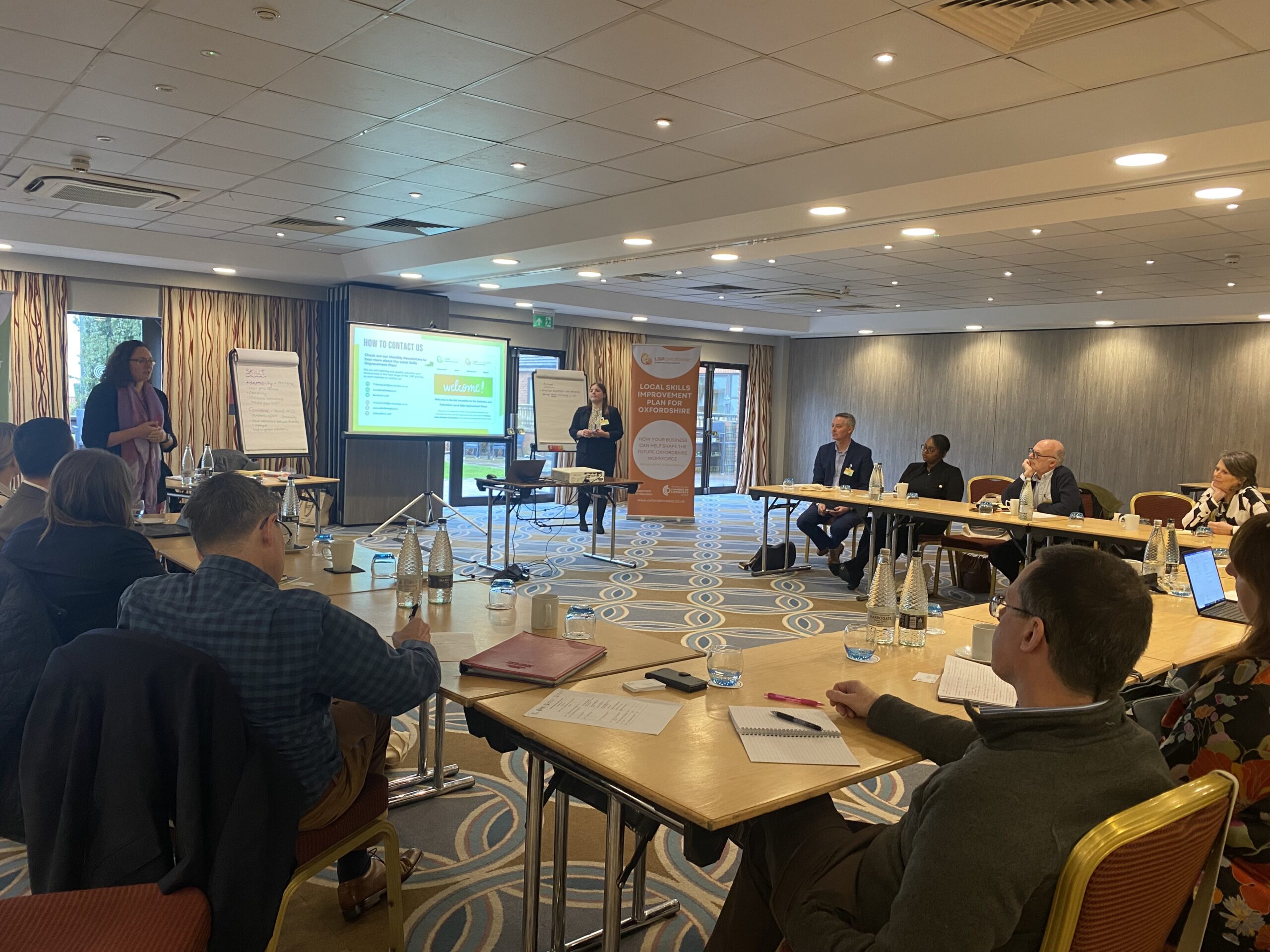
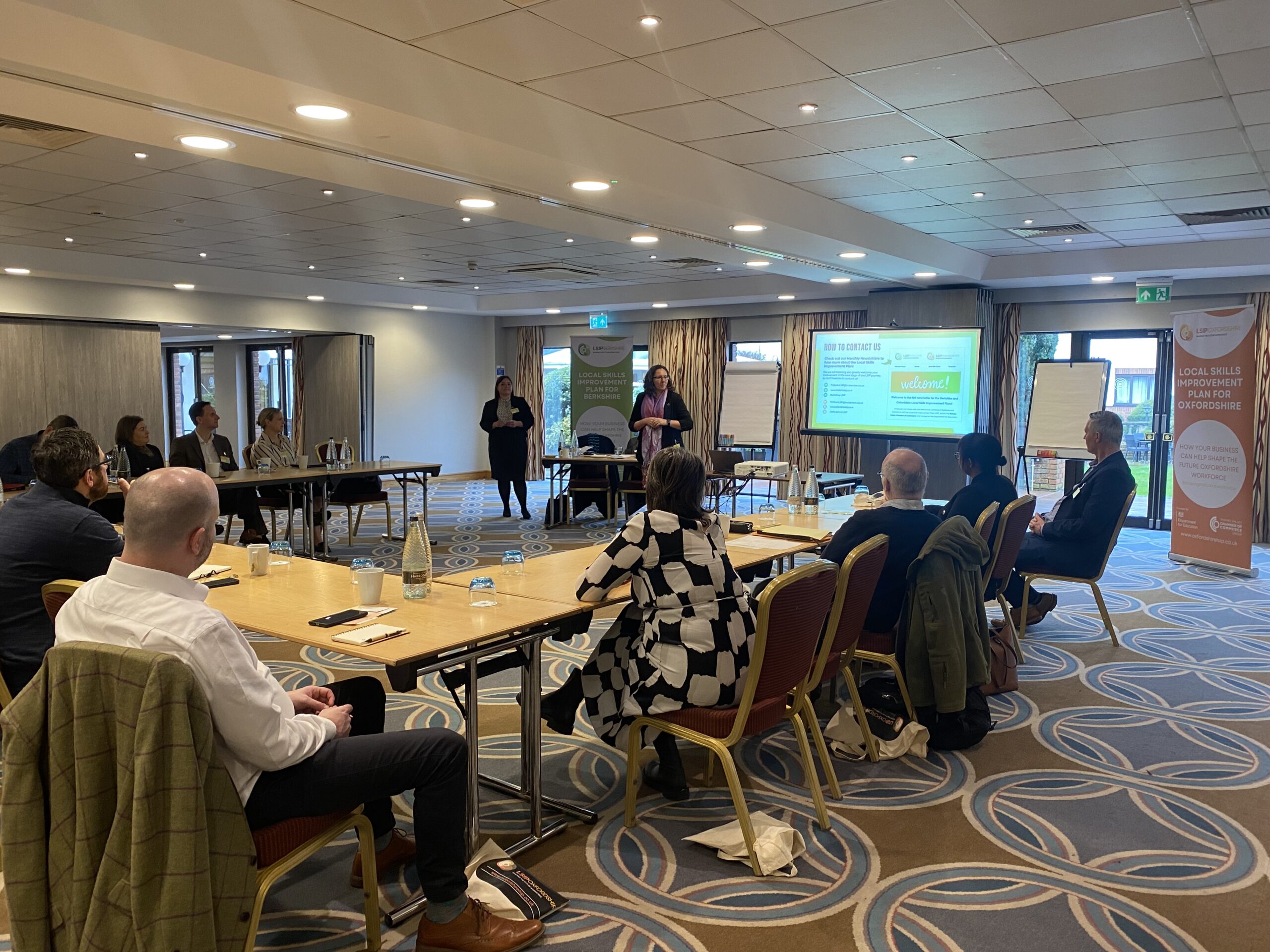
A range of employers, education & training providers and wider strategic partners attended the first Hospitality Workforce Development Partnership on February 29th 2024. Held at the Oxford Belfry in Thame, there was a wide-ranging discussion on the purpose and aims of the Local Skills Improvement Plan for the sector, the skills needs it was experiencing and how these might best be met. Discussions ranged from the need to develop the ‘soft’ or employability skills of those looking to enter the sector, to how to create more work experience opportunities and the current development of Skills Bootcamps for upskilling those in the sector and/or those looking to enter it. Employers expressed a desire to influence the content of these bootcamps to try to make sure they met industry needs as closely as possible. There was also a feeling that the sector needed to do more to promote itself and the broad range of opportunities within it, particularly post-COVID. A number of actions were decided upon to take forward including the development of a work experience programme for level 1 learners; linking employers from the group with OxLep to enable input into the bootcamp design, and the running of a communication campaign to promote opportunities in the sector more effectively.

Health & Life Sciences Workforce Development Partnership

The first Health and Life Sciences Workforce Development Partnership meeting took place recently at Owen Mumford’s new manufacturing facility in Witney, Oxfordshire.  These partnerships are part of the Local Skills Improvement Plans for Oxfordshire and Berkshire. They aim to meet employer skills needs by bringing employers and education & training providers together and encouraging and enabling collaboration and partnership working between them. They are facilitated by the Thames Valley Chamber of Commerce Skills Unit.

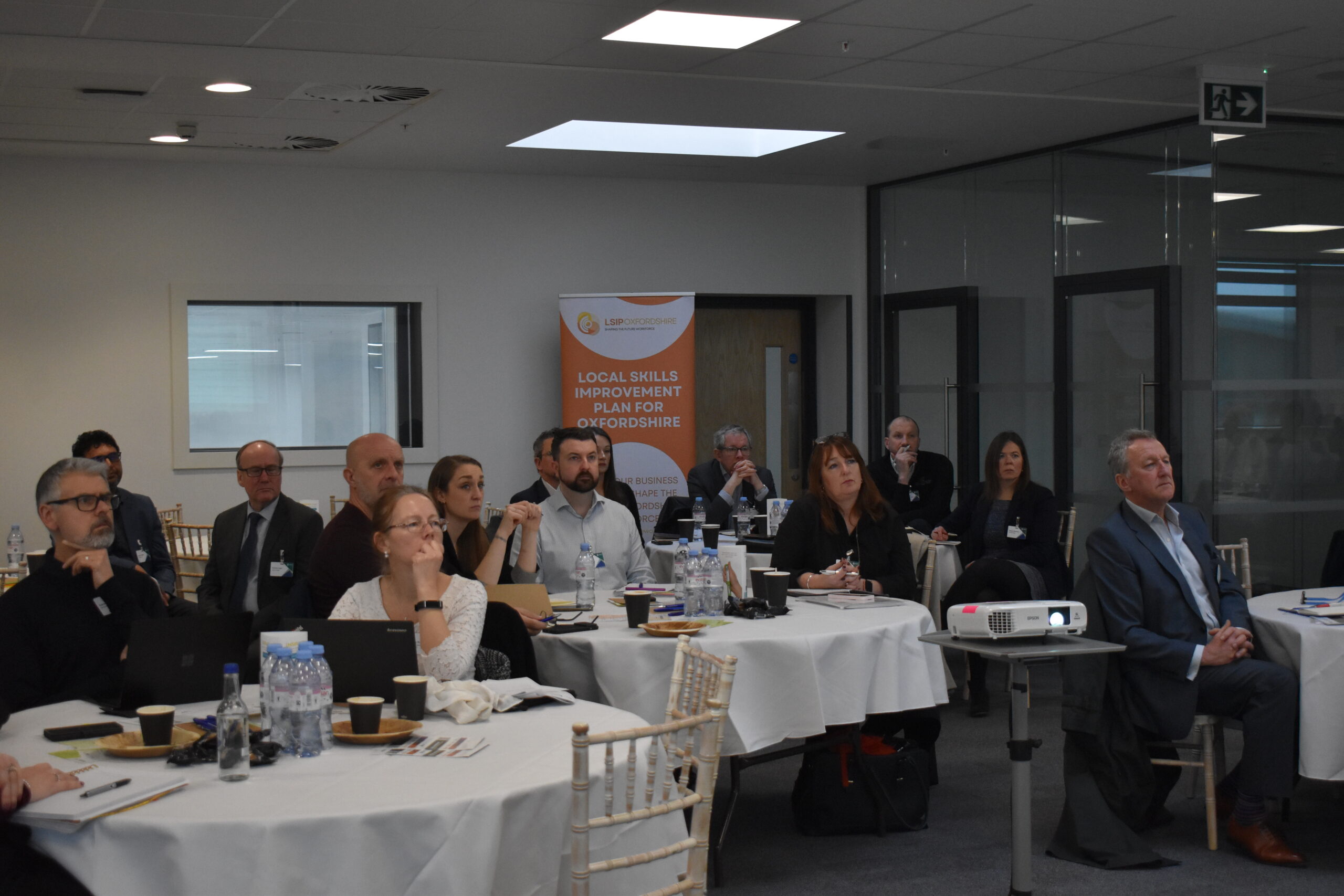
There were presentations from the Office of Life Sciences, Moderna, Activate Learning, Oxfordshire & Berkshire LEPs, and STEM Returners. These covered national and local skills needs, current and future education and training provision, skills bootcamp programmes, and help for career break returners looking to get back into STEM careers. The presentations encouraged good discussions around skills needs and what more can be done to meet these. This included actions around the creation of more opportunities for new entrants to the sector and those trying to return to it; mentoring and work insights for 16-24 year olds; the development of new education and training provision to help meet the skills and recruitment needs of local businesses. These quarterly meetings are also designed to build links and ongoing collaboration across the region, so we can do more to meet these pressing needs and continue to help enable the growth of this very important sector for the region’s economy.

Screen Industries Workforce Development Partnership

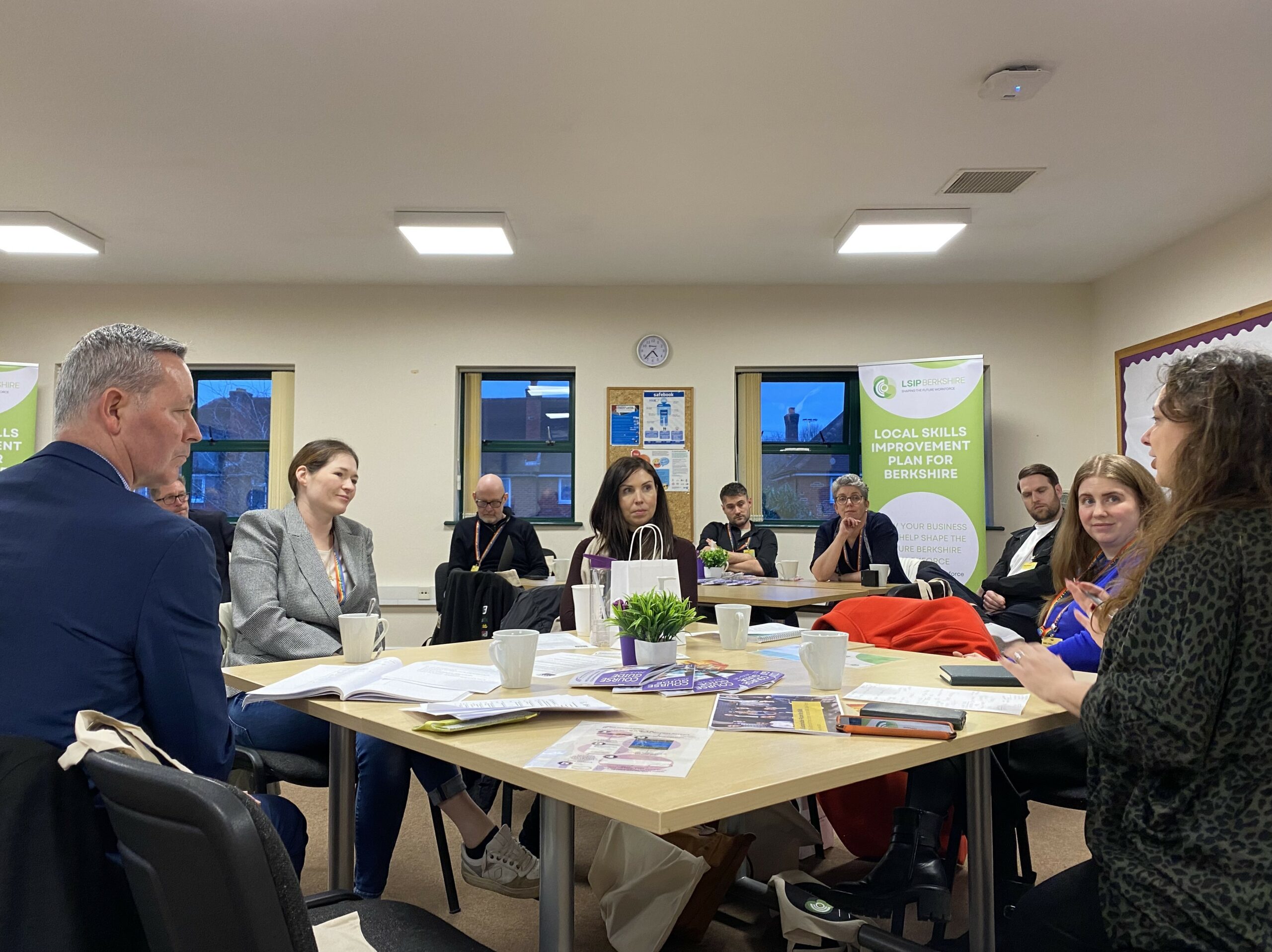
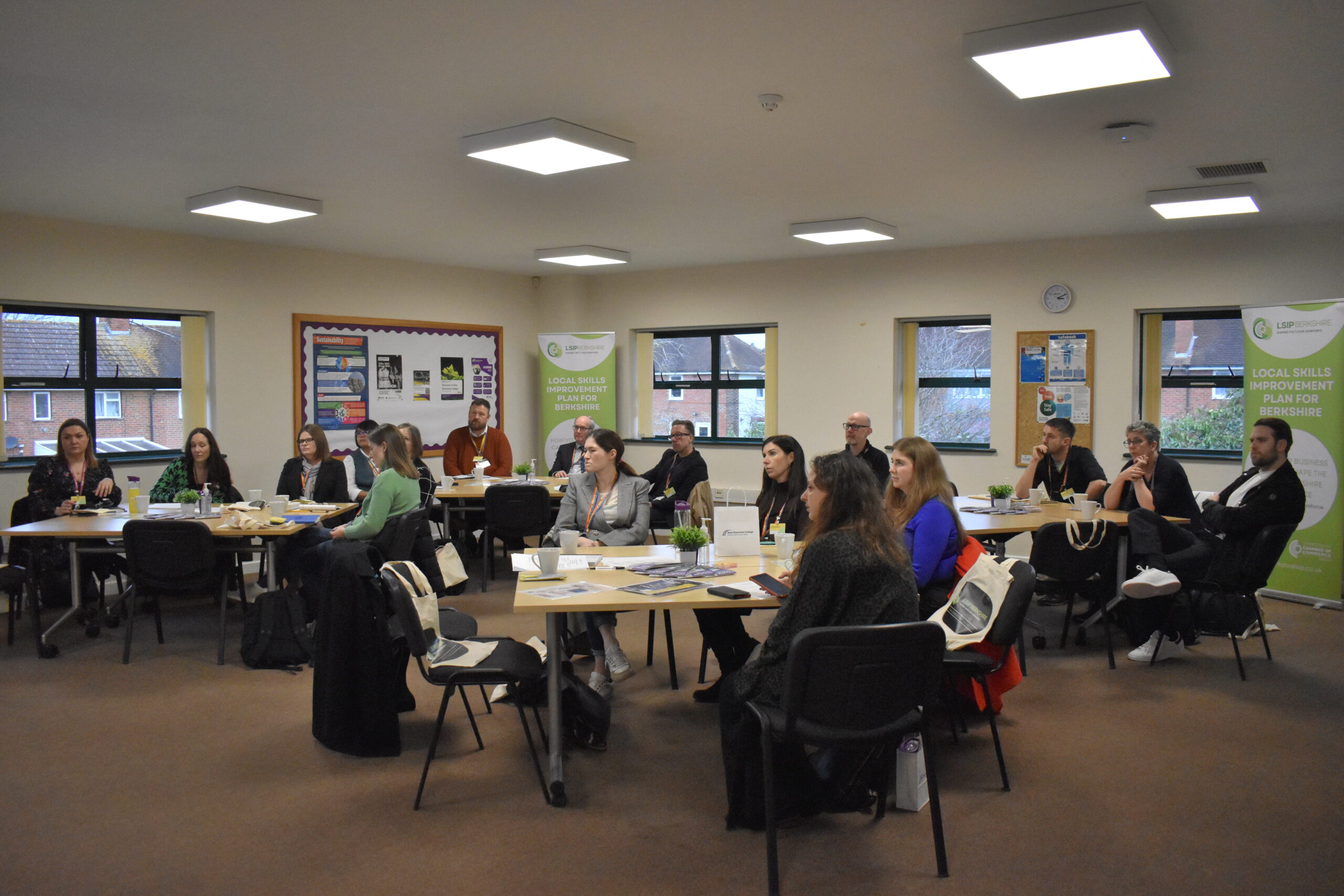
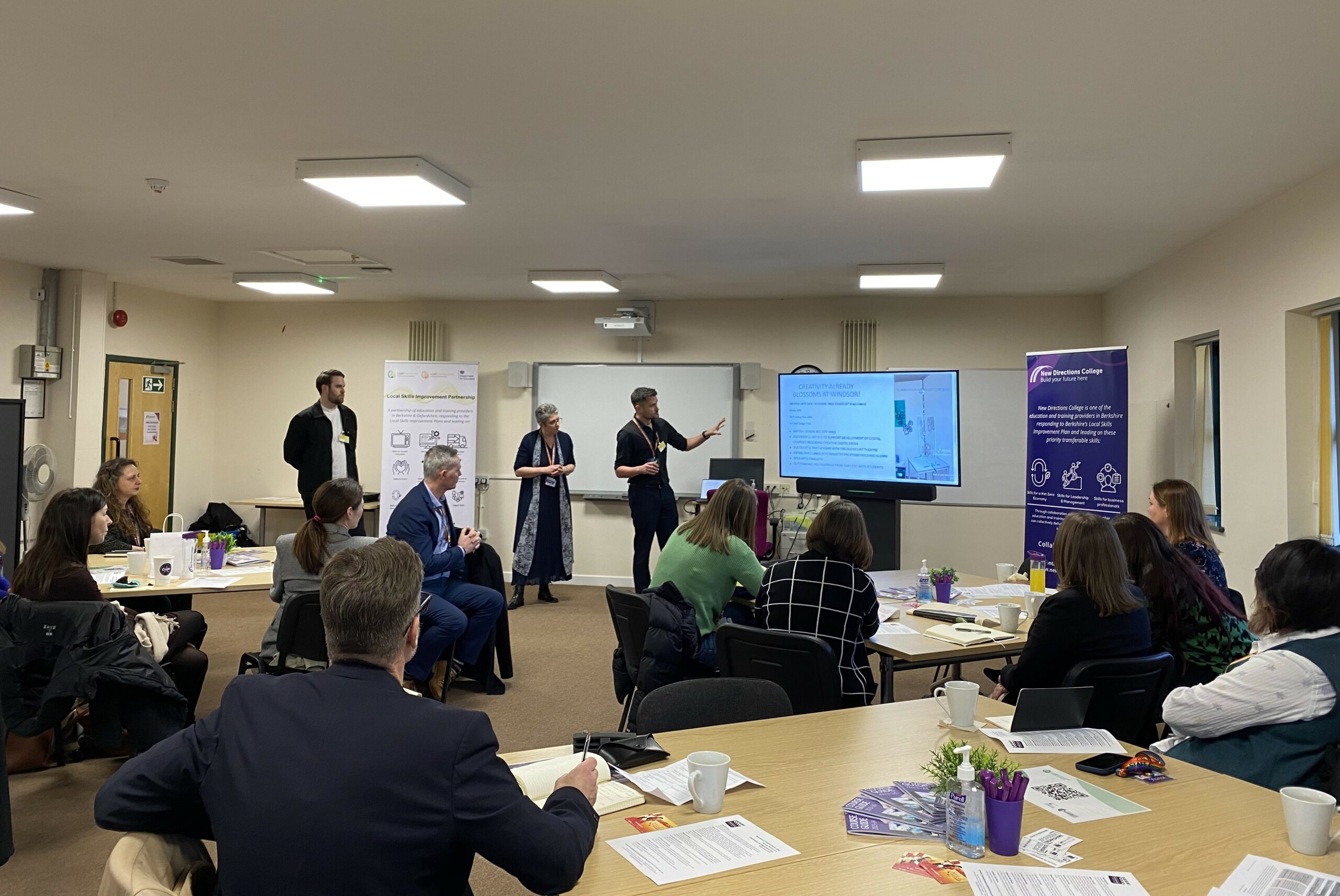
Employers and training providers came together on January 30th to continue working on the skills needs of the screen industries across Berkshire. This second Workforce Development Partnership meeting was hosted by New Directions College in Reading and led by our Employer Champion Dominique Unsworth, CEO of Resource Productions. Simon Barrable from the Thames Valley Chamber of Commerce Skills Unit explained Workforce Development Partnerships and their ways of working. These have now been set up across many of the priority sectors for the region, to build dialogue, understanding, and collaboration between employers and training providers.

Dominique gave an overview of the work of Screen Berkshire in helping to facilitate productions, train and develop new talent, recruit and retain new staff, and share best practices. We had a great presentation from Windsor Forest Colleges Group Karen Griffiths and Jamie Davies, together with James Hakesley from CUBE Studio. They are collaborating to establish a new Screen Industries Zone at Windsor including a virtual production studio, 7 editing booths, as well as podcast, recording, and DJ studios. The collaboration with CUBE ensures the facilities and curriculum will be closely aligned with industry needs, providing a through put of future talent. The development is partly funded by the Local Skills Improvement Fund, government money to help meet the skills needs identified in Local Skills Improvement Plans.

Other education and training providers outlined their provision for the sector, with Abingdon & Witney, Activate, Henley, Newbury, and New Directions Colleges all represented. A roundtable discussion with employer input produced a series of actions to take forward including work on sustainability skills; ‘train the trainer’ sessions for college staff; building course content that matches industry needs; training on self-employment and working on an apprenticeship model for the sector.

Back To Top